


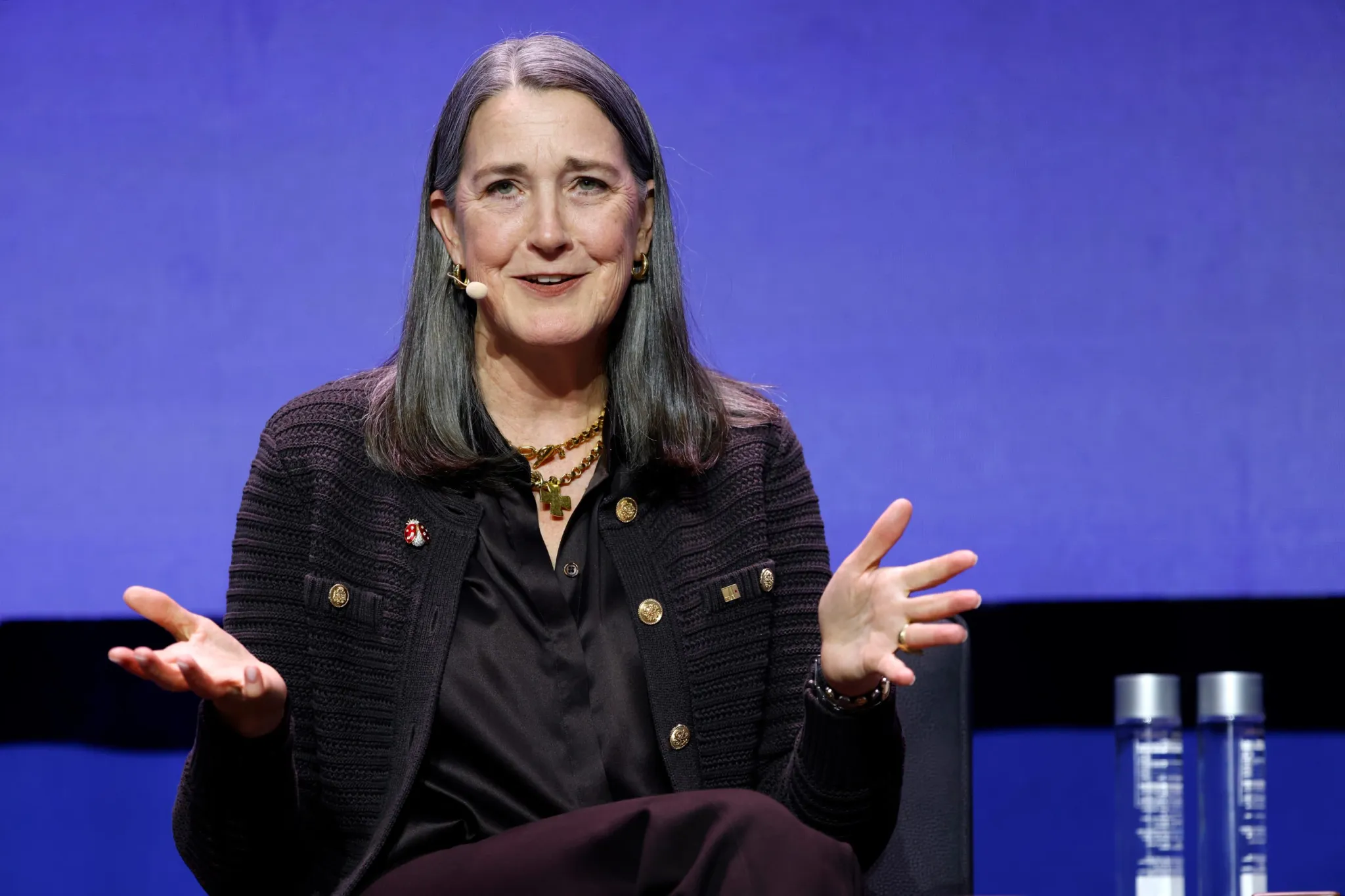
PG&E chief executive Patti Poppe has said artificial intelligence could help drive the investment needed to modernise California’s power grid, as the utility faces continued scrutiny over wildfire risks, electricity rates and its financial performance.
“I think AI is the best thing that could’ve ever happened to the grid,” Ms Poppe said, pointing to the growing involvement of technology companies such as Google in co-investing in energy infrastructure.
California has added 33 gigawatts of renewable energy and storage capacity over the past five years, enough to power about 25 million homes, she said. A further 22 gigawatts is expected to be added by 2030.
“The grid needs investment; AI and that whole revenue stream brings investment to the grid. AI equals growth and prosperity,” Ms Poppe said.
She also backed the development of nuclear power and argued that climate change must remain a priority, despite a broader retreat from environmental, social and governance initiatives. “I’m pro, pro, pro” nuclear energy, she said, adding that “climate change has to be addressed.”
Ms Poppe took over PG&E in January 2021, becoming the first woman to move directly from one Fortune 500 company to another. She inherited a utility emerging from bankruptcy after its equipment was linked to deadly wildfires, including the 2018 Camp Fire in Paradise, for which PG&E pleaded guilty to 84 counts of involuntary manslaughter.
The company continues to face pressure over the cost of wildfire liabilities and electricity bills. PG&E shares stood at $12.98, about a third below their 52-week high, while the utility’s third-quarter results fell short of Wall Street expectations, with profit of $776 million on revenue of $6.18 billion.
California lawmakers rejected Governor Gavin Newsom’s proposal for wildfire legislation that would have prevented insurers suing utilities over wildfire claims, a measure intended to help keep rates under control.
San Francisco is separately seeking to take over PG&E’s local distribution grid, saying the move would cost the city $3.4 billion and reduce rates. PG&E said on Wednesday that the proposal would instead cost $22.5 billion.
Ms Poppe reaffirmed the company’s profit targets and said she was open to breaking PG&E apart to isolate wildfire exposure while controlling costs. “The status quo is not acceptable,” she said.
Her ambition is to make PG&E the safest and cleanest utility in the US, although the financial consequences of any future failure remain uncertain.
