


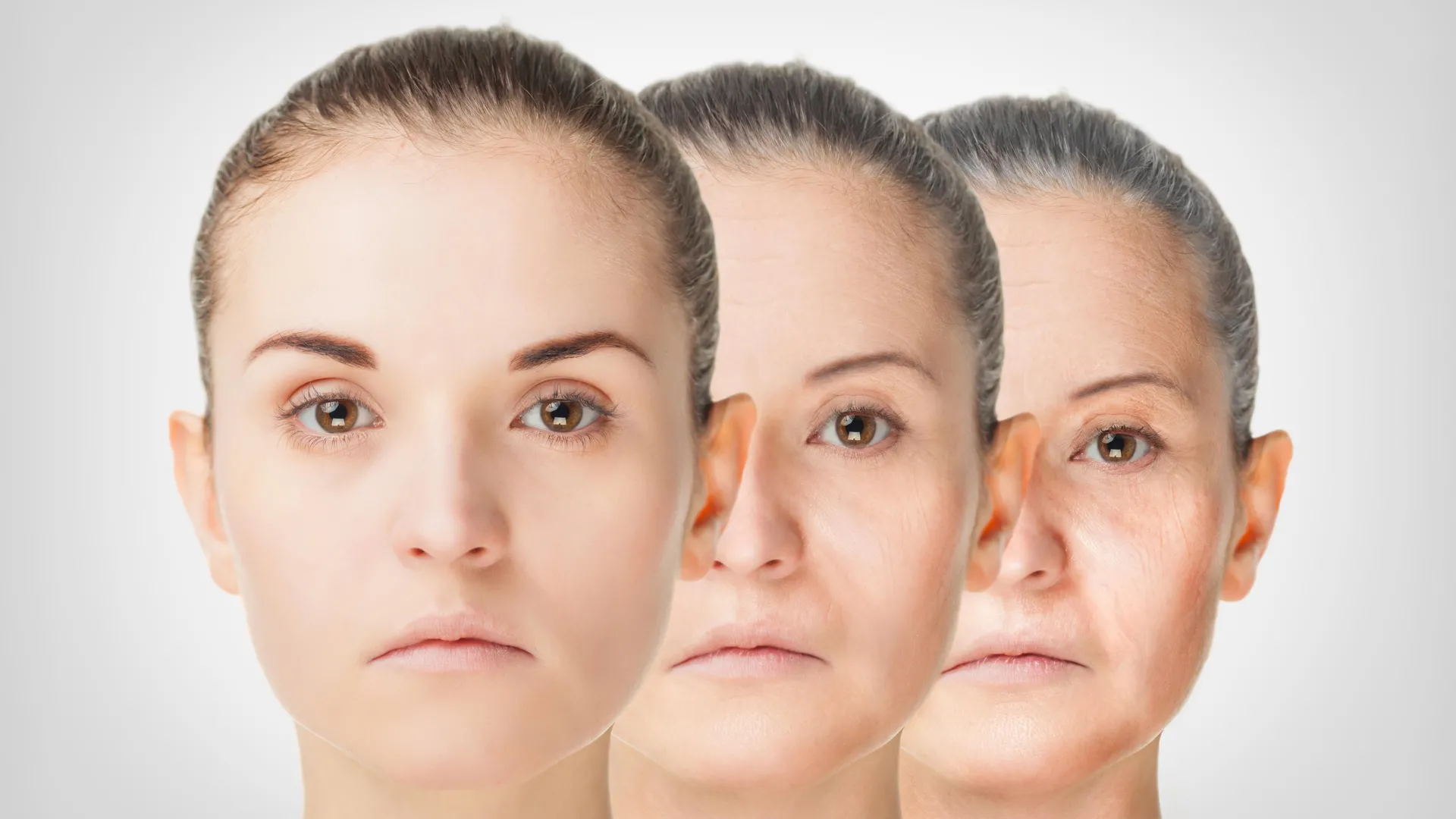
A landmark study in mice suggests that aging signs may be partly driven by a protein deep in the brain, and that restoring it can reverse several age-related changes within a month. In older mice, reintroducing Menin in a specific brain region improved memory, balance, bone mass and skin thickness in just 30 days, while supplementation with a naturally occurring amino acid enhanced learning and memory in three weeks, researchers report.
The work, initially published in March 2023 in PLOS Biology, was led by Lige Leng of Xiamen University in China. It traced a link between inflammation, brain chemistry and aging across the body, opening the possibility that some aging processes could be modifiable by brain pathways, albeit in animals.
Since then, scientists have accumulated evidence that the brain plays a central role in regulating aging, while also urging caution in interpreting the cognitive benefits of amino acid supplements. The new findings centre on the hypothalamus, a small brain region near the base of the brain that governs core functions such as temperature, metabolism and hormone production, all of which affect nearly every organ.
The hypothalamus has gained attention for its role in aging partly because of neuroinflammation—the brain’s inflammatory response. While inflammation helps guard against infections, persistent inflammation can disrupt cellular function and contribute to age-related decline. Earlier work by Leng and colleagues had identified Menin as a protein that helps restrain inflammation in the hypothalamus and also participates in regulating gene activity.
The team investigated what happens when this protective protein diminishes with age. They found Menin levels fall in certain hypothalamic neurons as mice age, a change not seen in astrocytes or microglia, other brain cells involved in support and immune responses.
To test whether Menin loss drives aging, researchers created mice in which Menin could be selectively disabled. Those with reduced Menin showed greater hypothalamic inflammation, thinner skin, lower bone mass and poorer cognitive performance, with lifespans modestly shortened.
Restoring Menin in the ventromedial hypothalamus (VMH), a zone that helps coordinate metabolism and energy balance, yielded striking results. After 30 days, treated older mice exhibited thicker skin, increased bone mass and improved performance on learning, memory and balance tests, alongside reduced inflammation and more normal metabolic signals. In a separate survival analysis, the treated mice lived longer than untreated controls, suggesting Menin restoration can reverse several aging signs in a targeted brain region.
A surprising mechanistic clue emerged alongside these effects. As Menin declined, brain levels of D-serine, a signalling amino acid involved in NMDA receptor function and memory formation, also fell. Menin appears to regulate a biochemical pathway that generates serine through PHGDH; when Menin activity drops, this pathway weakens, lowering D-serine availability in the hippocampus, a region essential for learning.
Directly testing the connection, the researchers added D-serine to the drinking water of older mice for three weeks. The amino acid supplementation improved learning and memory, even without restoring Menin. However, the benefits differed: while Menin restoration improved cognitive function and physical aging signs, D-serine primarily enhanced cognition and did not reverse bone or skin aging phenotypes. The findings imply that Menin affects aging through several pathways, with D-serine accounting for only part of its effects.
Further context from the scientific field has reinforced the brain–body aging link. A 2024 study in Cell Metabolism traced a hypothalamic neuron pathway that communicates with fat tissue; maintaining this signalling boosted physical activity, metabolic function and lifespan in mice. Another 2024 study in the Journal of Physiology and Biochemistry showed that increasing Menin protected cultured hippocampal cells from inflammation and corticosterone-induced cell death, supporting Menin’s protective brain role. A January 2025 Nature analysis of around 1.2 million mouse brain cells highlighted aging-sensitive cells around the third ventricle in the hypothalamus, with gene activity patterns favouring inflammation over normal neuronal function.
In 2026, additional findings have deepened the brain–aging narrative. A Cell study reported that strengthening daily biological rhythms in a particular hypothalamic area extended lifespan and reduced estimates of biological age as measured by DNA methylation. A separate Cell Metabolism study identified Mimecan, a protein that helps skeletal muscles communicate with the hypothalamus and brown fat; restoring Mimecan in older mice improved this communication and extended lifespan.
Taken together, researchers say aging appears to involve complex brain–body communication rather than a single master switch. Multiple neural circuits, hormonal signals and metabolic pathways may shape how age-related changes unfold, offering several potential targets for intervention.
Despite the optimism for mouse studies, translating these findings to humans remains speculative. A small 2016 randomised trial of D-serine in 50 healthy older adults showed modest gains on one cognitive test, with no consistent improvements across other measures. Later research suggests that D-serine’s effects depend on the brain’s broader signaling context. A 2025 study in Cellular and Molecular Life Sciences in mice modelling features of Alzheimer’s disease found that an early increase in D-serine could disrupt brain signalling, whereas removing the enzyme that produces D-serine mitigated several later cognitive impairments in those animals. The researchers cautioned that high doses carry kidney safety concerns in animals and that long-term safety and effectiveness in healthy people have not been established. For now, D-serine should be viewed as experimental rather than a proven therapy for brain aging.
Leng and colleagues stress that several questions remain about Menin’s decline with age, how many of its effects can be reversed and whether such interventions would translate to humans. The team’s quoted assessment highlights the potential relevance of Menin and D-serine for cognitive decline, while underscoring the speculative nature of human applications at this stage: “We speculate that the decline of Menin expression in the hypothalamus with age may be one of the driving factors of aging, and Menin may be the key protein connecting the genetic, inflammatory, and metabolic factors of aging. D-serine is a potentially promising therapeutic for cognitive decline,” said Leng. He adds, “Ventromedial hypothalamus (VMH) Menin signaling diminished in aged mice, which contributes to systemic aging phenotypes and cognitive deficits. The effects of Menin on aging are mediated by neuroinflammatory changes and metabolic pathway signaling, accompanied by serine deficiency in VMH, while restoration of Menin in VMH reversed aging-related phenotypes.”
The findings, along with the accumulating body of work, point to a growing understanding that aging may be partly governable through targeted brain pathways. While the prospect of reversing aging-related memory loss or physical decline remains experimental, the research offers a framework for exploring how specific brain circuits and metabolic signals influence the body’s overall aging trajectory.
