


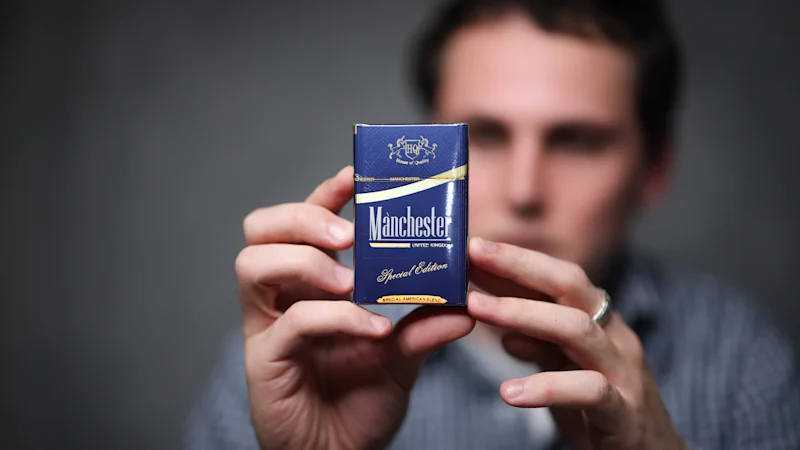
Illicit tobacco sellers in Victoria are moving online and offering express delivery as authorities intensify a crackdown on black-market shops. A test order for a carton of Manchester Blue cigarettes was delivered to an office in Melbourne’s Docklands for about $15 a packet, compared with the usual legal price of $40 to $50.
The website offered discounts for bulk purchases and accepted PayPal, credit cards, Apple Pay and bank transfers. Order updates were sent through WhatsApp, while Australia Post tracking was also available.
The cigarettes were ready for collection from a nearby inner-city parcel locker just over a week after the order was placed.
Some illicit tobacco websites had accumulated hundreds or thousands of reviews on platforms including Trustpilot, with feedback dating back months. The online operations are emerging as sellers seek to avoid inspections and remain in business.
Illicit tobacco sellers adapt to Victorian crackdown
Tobacco Licensing Victoria has been given new powers after lengthy delays, and authorities have so far closed 62 shops that were either selling illicit products or operating without a licence. Most of the closures have been in Melbourne’s central business district and the Stonnington council area, including South Yarra, Prahran and Windsor.
Sellers have also been accused of operating only at weekends, concealing products in disguised boxes and moving stock into vehicle boots to avoid enforcement action. Some shops in Melbourne’s inner north have stopped selling illicit tobacco from their premises and instead offer local delivery.
James Martin, an associate professor of criminology at Deakin University, said the shift towards online sales and home delivery had happened quickly.
“Black markets are inefficient, but they’re really resilient, and they’re highly adaptable,” he said. “You just get constant displacement or balloon effects happening.”
Martin said demand for illicit nicotine products meant organised crime groups could move their resources into different parts of the market when governments and police responded to existing methods of sale.
The sellers are also using paid advertising on Meta’s Facebook and Instagram platforms. After one initial advert was viewed, numerous similar promotions for the same site and others appeared across social media feeds.
The adverts ranged from direct promotions for tobacco to more covert material that did not appear to offer tobacco products. Advertising tobacco or nicotine products is illegal in Australia, whether the products are illicit or not.
The owners of the page used in the test order were based in Ireland and Vietnam. A Meta spokesperson said in September that tobacco and vape adverts were prohibited, but said the company would not refund adverts that had already run.
Edward Jegasothy, a senior lecturer at the University of Sydney’s school of public health, said the market would be difficult to control while legal cigarettes remained expensive.
“I can’t see a future where the illicit market is under control at the current legal cigarette prices,” he said.
One Nation and the Coalition have proposed cutting tobacco tax by 75% and 80% respectively, with support from some public health experts, academics and economists. The Cancer Council, the Australian Medical Association and Quit oppose an excise reduction, arguing it would increase smoking rates and benefit major tobacco companies.
Those groups instead support stronger border controls and licensing laws, alongside a reduction in the number of licensed tobacco shops.
