


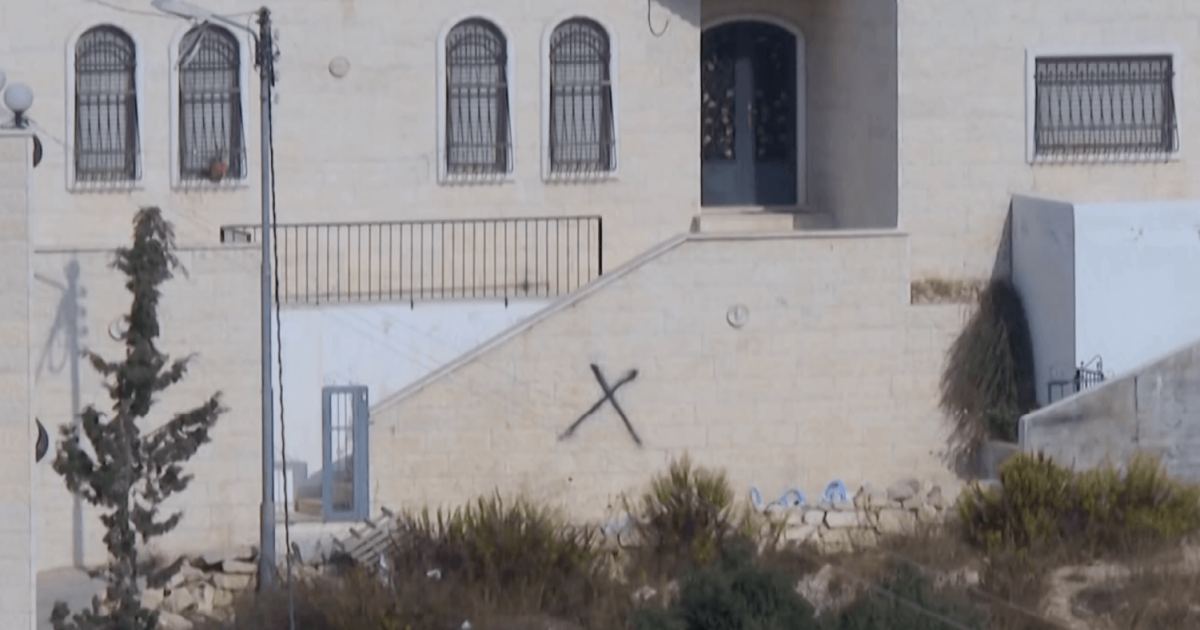
Israel’s destruction of homes and the displacement of Palestinian families in the occupied West Bank are showing “alarming echoes” of the mass expulsions from refugee camps earlier in 2025, the UNRWA director for the West Bank has warned.
Roland Friedrich was referring to developments in Hebron, where Israeli forces have converted homes into military positions. His comments came as evidence emerged of continued demolitions, raids and removals across the northern West Bank.
More than 34,000 Palestinian refugees from the Jenin, Tulkarem and Nur Shams camps remain displaced, according to UNRWA, more than a year after Israel launched its “Iron Wall” operation in January 2025.
The operation destroyed more than half of the camps’ residential buildings. OCHA records show that between 2009 and October 2026, 1,399 buildings were demolished in the Jenin and Tulkarem governorates, displacing 4,139 people.
Those figures cover mainly demolitions carried out over alleged planning violations or as punishment, rather than buildings destroyed during military raids, meaning the records capture only part of the devastation.
Investigation finds evidence of systematic destruction
Research by Forensic Architecture identified more than 200 incidents involving the destruction of buildings and roads across four refugee camps. The group said it had verified the incidents using evidence of armoured bulldozers, controlled demolitions and air attacks.
Researchers found that roads had been widened through homes and gardens to create routes for military vehicles. They concluded that Israel was using tactics in the West Bank similar to those used in Gaza, though the findings were presented as evidence of deliberate and systematic destruction.
In February 2025, Israeli Finance Minister Bezalel Smotrich said Tulkarem and Jenin would come to resemble Jabalia and Shujayea, two of the most heavily devastated areas of Gaza.
Raids have continued. Israeli forces detained four Palestinians in Tulkarem last week, while troops in Burin, south of Nablus, converted several homes into military barracks, as they have in Hebron.
Near Jenin, the army has ordered the residents of an entire village to leave permanently. Farmer Jabri Yahya said his family’s livelihood was inseparable from the land.
“I have sheep and cows. Our entire lives are tied to this land,” he said. “Last year they uprooted our olive trees, and this year they want to force us to leave. We don’t know where to go.”
