


A federal judge in Manhattan has ended nearly four decades of government oversight of the Teamsters union, ruling that organised crime influence had been removed and that the organisation could return to full self-government.
Judge Loretta A Preska approved an agreement between the Teamsters and the US Justice Department in an order issued on Thursday evening, bringing to a close a monitoring regime established after prosecutors accused the union of being controlled by organised crime.
The settlement followed a 1988 racketeering lawsuit brought by federal prosecutors in New York. A consent order agreed in 1989 required court-appointed monitors, election officers and investigators to oversee the union’s internal affairs and help ensure democratic elections.
Teamsters oversight ends after 37 years
Judge Preska wrote that she was “duty bound” to accept the agreement and said she had no intention of remaining indefinitely in an oversight role. She said objections from rank-and-file members about the management of the union were largely unrelated to the corruption allegations that led to the original court order.
“Generalized concerns regarding the Teamsters should be directed to the Teamsters management or these agencies, not this Court,” she concluded, referring to the union, the Department of Labour and the Justice Department.
The court’s decision follows a joint application filed in June to amend the final order introduced in 2015. That agreement had already reduced external control and given the Teamsters greater responsibility for its own disciplinary and investigative procedures.
Former federal judge Barbara Jones, who served as the union’s independent review officer, agreed that the Teamsters had developed the systems needed to identify, investigate and resolve major corruption, according to the union’s announcement of the ruling.
The anti-corruption arrangements established under the original settlement included an independent review body. The body has permanently barred about 400 people from membership in the union, according to filings made by the Justice Department and the Teamsters.
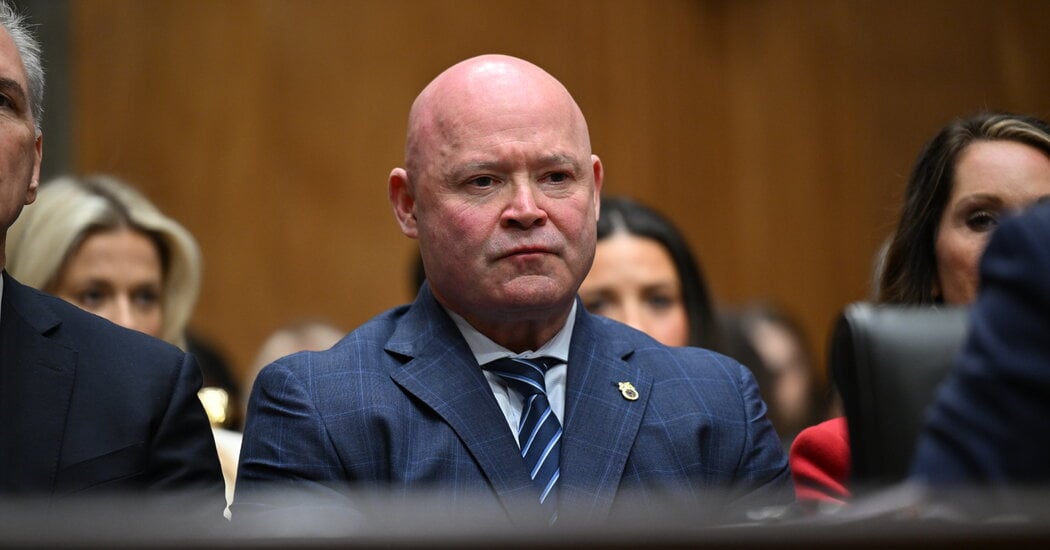
The end of the federal monitorship is a significant victory for Sean M O’Brien, the Teamsters’ general president, who has criticised the external disciplinary and investigative apparatus. Mr O’Brien was re-elected to a second term this summer at the union’s 31st international convention.
Several Teamsters members had urged the court to preserve an independent disciplinary body, warning that Mr O’Brien held too much power and accusing him of bullying dissenters. Judge Preska said those objections did not provide a basis for continuing the court’s role under the original settlement.
Mr O’Brien welcomed the ruling, saying it marked a “new chapter of self-governance and organisational independence” for the union. The Teamsters said the union had held nine elections during the 37 years of federal oversight and had eliminated corrupt elements from its ranks.
The organisation, founded in 1903, represents about 1.3 million workers in the United States, Canada and Puerto Rico, including freight workers, warehouse staff and delivery drivers.
