


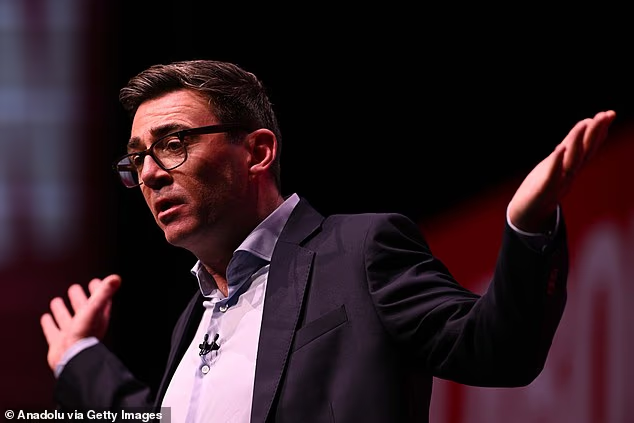
Some 700 prisoners have been released early from jails across England and Wales, in the first stage of a Labour scheme that could eventually see up to 50,000 offenders freed ahead of schedule each year.
The programme, overseen by Prime Minister Andy Burnham’s Government, initially applies to prisoners sentenced to up to 19 months. From December, it will be extended to include some violent offenders given sentences of more than four years.
Ministry of Justice documents describe the changes as a “new permanent approach”, with early releases continuing on a “business-as-usual basis”. The Government has not disclosed the projected total number of prisoners expected to benefit.
The first releases took place at prisons including Brixton, Durham, Cardiff, Leeds and Wandsworth. At HMP Brixton, serial thief David Elliott said: “I’m gonna go stealing again.”
A prisoner leaving HMP Durham said: “Justice system, what justice system? Thank you, Andy Burnham.” Another released from HMP Cardiff said: “Thank you very much and don’t get me back here again, bro.”
Early release scheme to expand in stages
The rollout will cover nine further groups of prisoners between October 13 and early next summer. The final tranche, expected in early June, will include prisoners serving sentences of 12 years or more.
Under the new arrangements, some prisoners who would previously have served 40 or 50 per cent of their sentence will instead be released after serving one third. Certain violent or sexual offenders who were previously eligible for release after two thirds of their sentence will be released at the halfway point.
Life-sentenced prisoners, including murderers, and those serving extended sentences are excluded. Other categories of violent and sexual offenders were also removed from the scheme following public concern and changes announced over the summer.
The latest measures replace an earlier Labour release programme, known as SDS40, under which more than 70,000 prisoners were released between September 2024 and the end of March this year. That scheme was resulting in between 3,000 and 4,000 early releases each month.
There were 87,499 prisoners in jails across England and Wales on Monday, with 1,556 places available, according to Ministry of Justice figures. The department said approximately 4,500 offenders are released from custody in a typical month.
Conservatives warn of public safety risk
Chris Philp, the Conservative shadow home secretary, said the first releases marked the beginning of a much larger expansion.
“This is just the start, and a tsunami of criminals will be swept out of prison and on to our streets by this Labour government,” he said.
“As the months go by more and more serious criminals will be released. The public will be less safe because of Burnham’s prison break-out bonanza. It will pose an acute threat to public safety every single day.”
Conservative leader Kemi Badenoch said offenders being released could “probably go back and end up terrorising their victims”.
Domestic abuse commissioner Dame Nicole Jacobs said survivors could be “looking over their shoulder and living in fear because the Government and our criminal justice system has failed to protect them”.
She said she still had no assurance that the risks posed by perpetrators had been properly assessed, or that victims and specialist support services had been meaningfully involved.
The releases come amid warnings from policing leaders about the resources required to supervise more offenders in the community. The expected cost to policing has risen from an initial estimate of £300 million to £400 million to £480 million, while no additional money has been provided.
A senior police officer said some forces no longer had the resources to arrest suspects for every breach of bail conditions. There are reportedly 3,000 electronic-tag breaches by bailed suspects each week across England and Wales, with courts failing to respond by remanding offenders or changing their conditions in 97 per cent of cases.
