


Latitude, a payments infrastructure start-up founded by former Stripe and Uber executives, has raised $35 million (£27 million) to help businesses convert stablecoins into local-currency payments through bank accounts and mobile wallets.
The Texas-based company said on Wednesday that Oak HC/FT led its Series A funding round, which also included NEA, Coinbase, Lightspeed Faction and OpenFX. The investment follows an $8 million seed round, although Latitude’s valuation has not been disclosed.
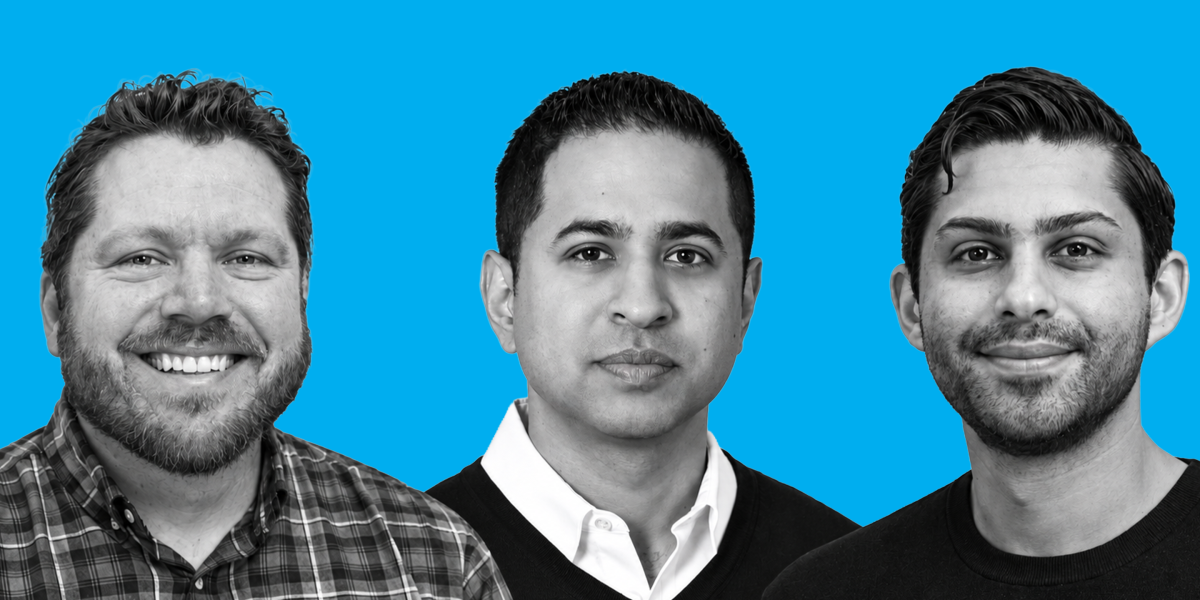
Latitude was established by Cyril Mathew, its chief executive, alongside Brian Wrightson and Vivek Morzaria. The founders have held senior roles at companies including Stripe, Uber, Coinbase and Meta.
The company provides infrastructure for neobanks, payroll providers, marketplaces and financial firms that need to move money across borders. Its system is designed to allow those businesses to use stablecoins for settlement while paying recipients in currencies and through services they already use.
“Those end users need ways to get in and out of stablecoins,” Mr Mathew said, arguing that financial services companies could connect to Latitude rather than build payment arrangements in dozens of countries themselves.
Latitude targets the stablecoin payout gap
Stablecoins can move funds quickly across borders, but recipients often still need to convert them into money that can be spent locally. Latitude is targeting that final stage, particularly in emerging markets where bank accounts, mobile wallets and other payment methods vary widely between countries.
Mr Mathew said his focus on international payments was shaped by his time running cross-border payments at Uber in Europe. He recalled speaking to a London-based driver who sent earnings to Morocco through a cash intermediary and lost about 20 per cent of the payment in the process.
While at Stripe, Mr Mathew’s team introduced stablecoin payouts in 100 countries. However, he said adoption was constrained because recipients in places including Vietnam and parts of Africa wanted local currency, rather than digital tokens, and were reluctant to use crypto wallets or manage seed phrases.
He began developing the idea for Latitude during a break from the industry in late 2024, first approaching Mr Wrightson and then Mr Morzaria. The trio started raising the company’s seed funding by January 2025.
Latitude now has a 15-person team working from shared offices in New York, San Francisco and London. The new funding will be used to recruit in compliance, engineering, legal and sales.
The company currently maintains licences across 45 US markets and plans to seek direct regulatory approval in other regions, including South-East Asia, Latin America and Africa. It said establishing its own licensing footprint would support its international expansion.
Oivind Lorentzen, a partner at Oak HC/FT, said US regulation was important to larger corporate customers seeking reassurance when transferring funds. Latitude’s expansion plans will therefore depend not only on its technology but also on securing the permissions needed to operate in each market.
