


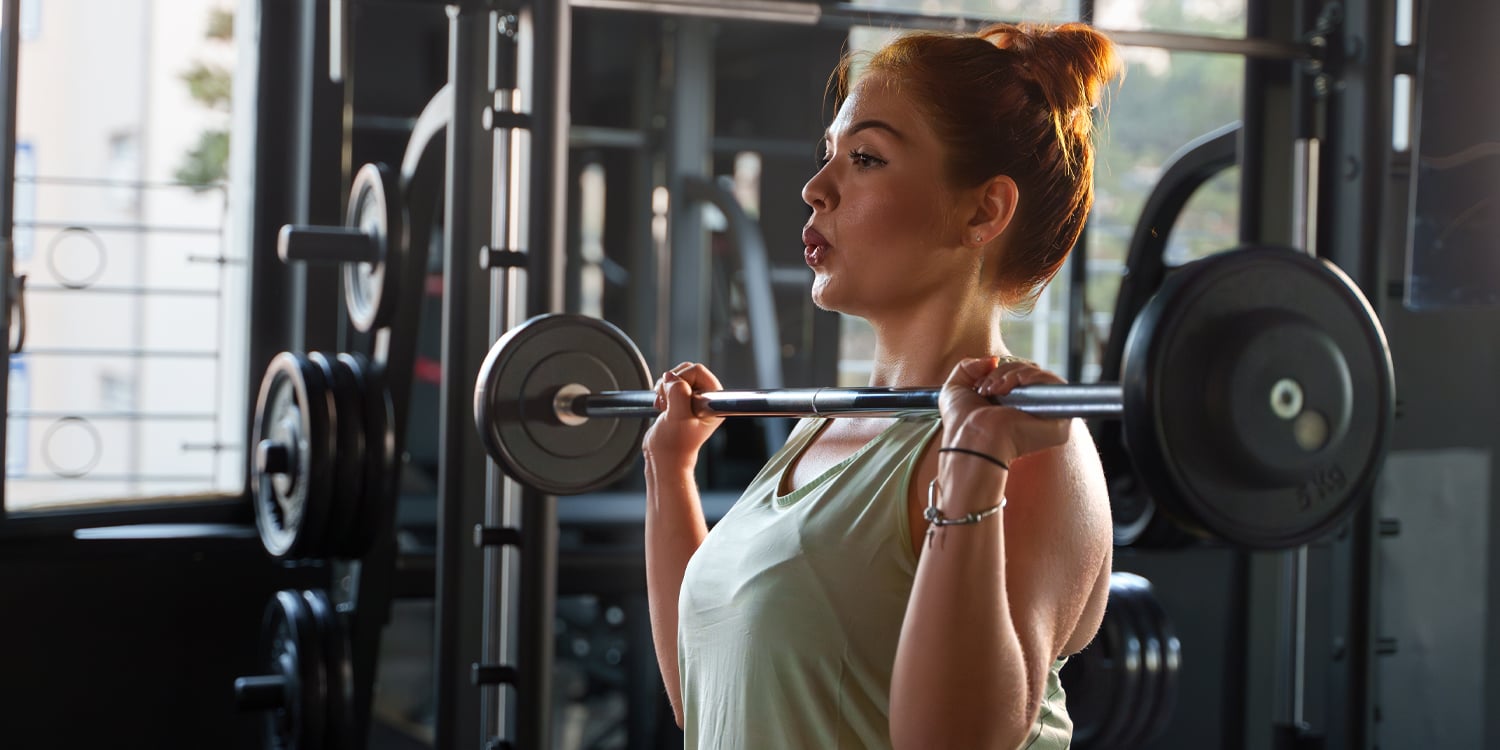
A University of Limerick-led study has found that weightlifting can produce large reductions in depressive symptoms among anxious young women, regardless of whether the exercises are performed at moderate-to-high or very low intensity. Led by Darragh O’Sullivan of the University of Limerick in Ireland, the eight-week trial involved 55 participants with subclinical analogue generalized anxiety disorder and was published in the Journal of Affective Disorders.
Generalised anxiety disorder involves severe, persistent worry that interferes with daily life. Some people experience symptoms that mimic this condition but fall just short of an official diagnosis, known as analogue or subclinical anxiety. Women are twice as likely as men to experience anxiety and depression, and these conditions often co-occur. While medication and talk therapy are standard treatments, they can present barriers like high costs or unwanted side effects.
“We also expanded on our previous research by focusing on anxious young women, as women are [generally] less involved in muscle-strengthening exercise, and therefore may have greater potential for improvement,” O’Sullivan told PsyPost. “Women are also at higher risk of Generalized Anxiety Disorder, Major Depressive Disorder, their comorbidity, and experience greater disability from their comorbidity, and therefore may benefit from early interventions, such as exercise, to treat mild symptoms.”
The researchers recruited 55 young adult women with an average age of 22. All participants met the criteria for subclinical analogue generalized anxiety disorder and were not currently engaged in regular strength training. After a brief familiarisation period, the women were randomly divided into two groups for an eight-week programme. Both groups completed twice-weekly, one-on-one supervised sessions consisting of exercises like squats, bench presses and deadlifts.
The primary difference between the two groups was the amount of weight lifted. One group performed a moderate-to-high intensity routine, lifting loads set at 70 to 80 percent of their maximum capacity. The second group acted as a control condition, performing the exact same exercises but lifting only 20 percent of their maximum capacity. The authors tracked depressive symptoms using a standard 16-item questionnaire at multiple points during the study and one month after the programme ended.
The results indicated that both groups experienced massive drops in their depressive symptoms. In the higher-intensity group, symptom scores fell by an average of 54 percent. Meanwhile, the low-intensity group saw their scores drop by 43 percent. The difference in mental health improvement between the two groups was not statistically significant.
This suggests that a low-intensity workout also yields a strong antidepressant effect for this population. As expected, physical strength changes did differ between the groups. The higher-intensity group increased their overall lifting strength by 41 percent, compared to a 21 percent increase in the low-intensity group. For both groups, the psychological benefits were largely maintained a month after the supervised training concluded.
The strong benefit seen in the low-effort group was somewhat unanticipated by the research team. “The magnitude of the antidepressant effect of low-intensity resistance exercise training exceeded our expectations, but is likely reflective of what is still a substantial change in exercise activity, from not engaging in resistance exercise training to completing low-intensity resistance exercise training twice per week for 10 weeks,” O’Sullivan said.
These results stand in slight tension with a 2024 meta-analysis covered by PsyPost. That review found that higher exercise intensity is generally linked to greater reductions in depression, though it focused on clinical major depression rather than subclinical anxiety in young women. On the other hand, the new findings are consistent with research covered by PsyPost in 2026. That earlier study looked at older women and similarly found that weightlifting reduced depressive symptoms regardless of whether the participants lifted heavy or light weights.
As with all research, there are a few things to keep in mind. The researchers point out that the low-intensity group might have actually received a mild physical training effect, rather than just acting as a psychological control. Because the low-intensity group did gain some physical strength, it is difficult to completely separate the psychological benefits of participating from the physical benefits of the movement itself.
Additionally, the study relied on self-reported questionnaires to track mental health changes. Such surveys can sometimes be influenced by a participant’s expectations or desire to show improvement to their trainers. The sample was also restricted to young adult women with a specific anxiety profile. This means the findings might not naturally extend to men, older adults, or people with a formally diagnosed clinical disorder.
Moving forward, the scientists suggest testing these programs in larger clinical settings. They hope to compare weightlifting directly against standard treatments like talk therapy or medication.
“Both higher- and lower-intensity resistance exercise training can result in large reductions in depressive symptoms in anxious young women,” O’Sullivan concluded. “Young women can benefit from even low-intensity resistance exercise training which requires less physical effort, but we do recommend gradual progression to higher intensity for additional health benefits.”
He added, “For those that are not involved in any resistance exercise, anything is better than nothing, including for mental health.”
The study, “Resistance exercise training compared to a low-intensity sham for depressive symptoms in young women with analogue generalized anxiety disorder: A randomized controlled trial,” was authored by Darragh O’Sullivan, Jennifer M. Rice, Mark Lyons, Brett R. Gordon, and Matthew P. Herring.
