


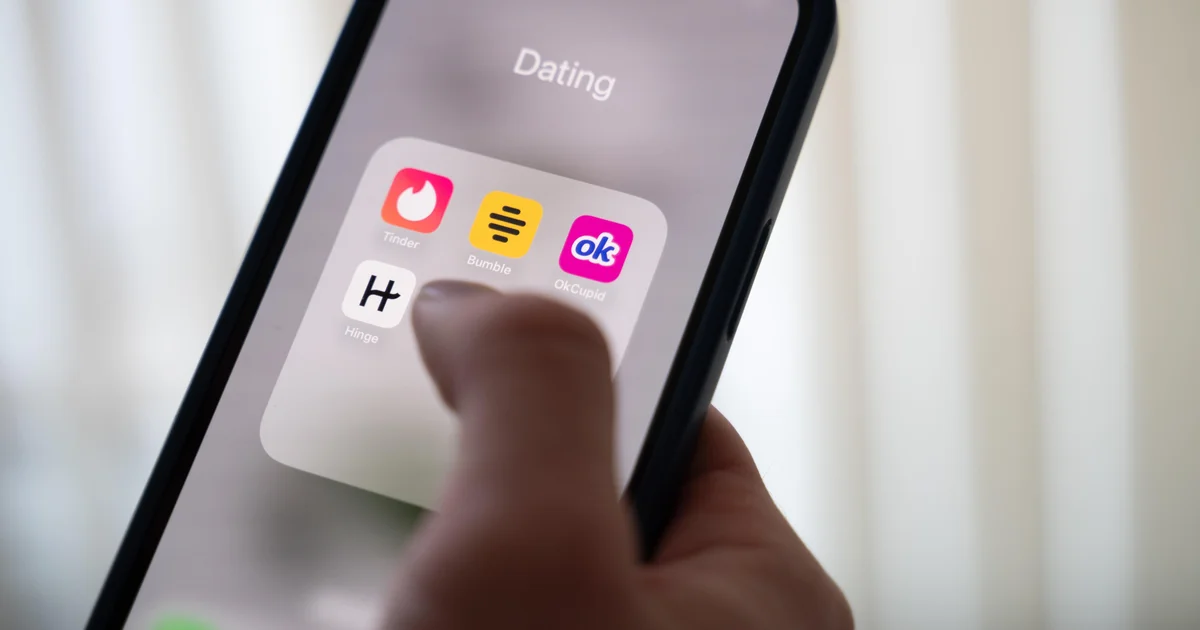
AI-generated photos on dating apps are prompting users to question whether profiles present a genuine picture of the person behind them, with some singles now actively looking for images they believe have not been digitally altered.
Marissa, a 31-year-old marketing professional from Boston, said she regularly encounters profiles featuring minor edits, such as removing someone from a photograph. On other occasions, the images appear to have been created almost entirely by artificial intelligence.
One Bumble profile showed a man in a suit tiling a bathroom wall. “AI aside, I’m not sure what the appeal is there,” Marissa said. She asked for her surname to be withheld.
Women on TikTok have also described spotting photographs of men that they believe were generated or heavily changed using AI. The trend is raising questions about how much editing is acceptable when people are seeking authentic relationships online.
Kathryn Coduto, an assistant professor at Boston University who studies dating apps, said: “People want authentic connections and conversations. I think AI has made people more wary and skeptical of others, especially people they don’t know.”
Dating app users have long used filters and editing tools to improve their appearance. New AI systems, however, can produce polished images within seconds and create entirely new settings, outfits and poses.
How AI is being used in dating app photos
Lana Li, a Brooklyn-based dating consultant who describes herself as a “digital stylist”, uses AI to help men improve their profile photographs. She said the changes should remain faithful to the person being represented.
Li has used the technology to alter clothing, hairstyles and footwear, as well as to make a client’s body language appear more confident. She also uses FaceApp to adjust facial expressions, including slightly raising the corner of someone’s mouth to make them appear friendlier.
She rejected one request to place a client’s head on the body of a marathon runner. “I told him, ‘I can’t work with you if you want to not represent yourself accurately,’” she said.
One of Li’s clients, a 30-year-old technology worker in New York, said AI had been used to give him more professional clothing and tame his frizzy hair. “It’s very subtle,” he said, adding that he still looked like himself and did not want to “catfish” anyone.
Another client, a New York resident in his 50s, used an AI headshot generator to create an image of himself on a Manhattan rooftop at sunset. The photograph attracted more attention on Hinge than his other images, but he was later banned from the app.
Although he recovered his account, he eventually removed the sunset photograph, believing it may have led to his suspension. “This picture generally got the most likes,” he said. “Now that could just be because it was the first thing they saw. But regardless, it was proving to be effective, and women seemed to like it.”
Dating apps tighten rules on AI-generated images
Hinge says users should be able to distinguish fact from fiction and prohibits generative AI images, audio or video from being used to misrepresent a person or their intentions. The app uses automated systems and human reviewers to identify prohibited material, while users can report suspicious content.
Bumble also uses detection tools, human moderation, verification features and user reports. Its guidelines prohibit artificially generated or enhanced photographs when they are used to deceive others, with penalties ranging up to a permanent ban.
A spokesperson for Match Group, which owns Hinge, Tinder and other dating apps, said the company was “watching closely and listening to daters, who tell us they want more transparency, more authenticity, and more confidence that a real person is on the other end.”
Coduto said men appeared more likely than women to use AI to improve dating profiles, partly because women generally receive more matches and messages. Men, she said, may feel greater pressure to stand out.
For Marissa, photographs that appear to show signs of AI are enough to make her move on. “The dating pool is already challenging, and this is just another thing we have to grapple with,” she said. “How much AI am I OK with?”
