


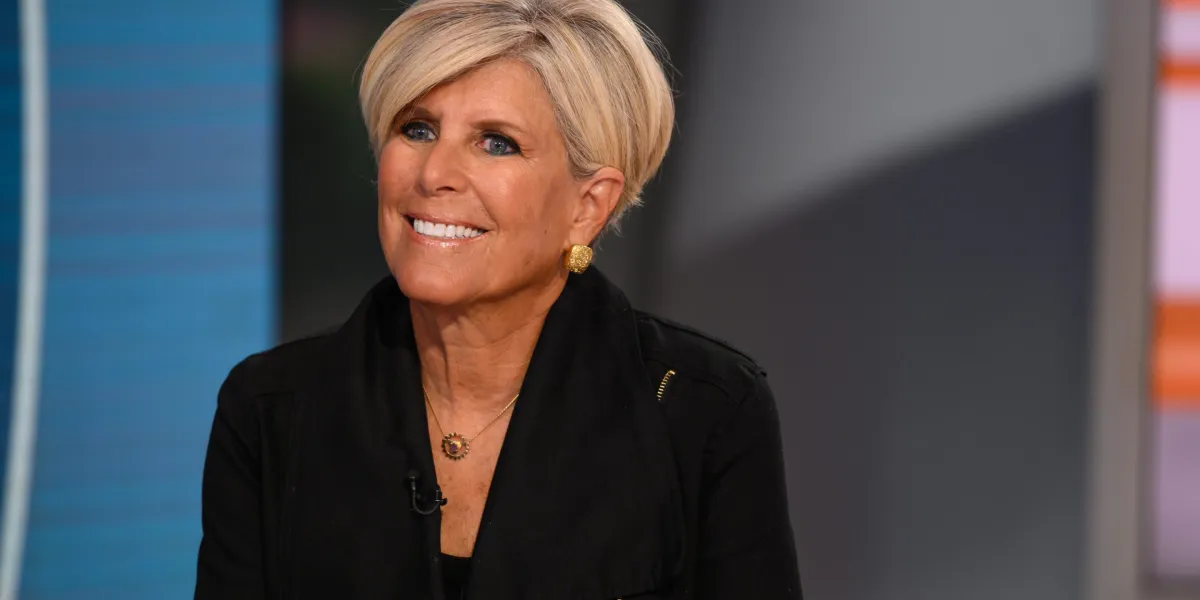
Suze Orman has said she continues to cook at home despite having amassed a multimillion-pound fortune, describing eating out as one of the biggest wastes of money.
The personal finance author and television host told The Wall Street Journal that she and her wife still regularly prepare their own meals. On the occasion of the interview, her wife had made congee rice for lunch and meatloaf for dinner.
Orman said the couple does occasionally eat at restaurants, but usually for social reasons rather than because they particularly want to. She added that she often worries about the impact of the bill on friends with less money.
“If we go out to eat, the deal is we have to pay because I am not going to let people, who I know don’t have the kind of money that we have, waste their money on food eating out,” she said.
Her comments come as restaurant prices in the US continue to rise faster than the cost of food bought for home consumption. Figures from the US Bureau of Labor Statistics show that food away from home rose by 4.1 per cent between December 2024 and December 2025, compared with a 2.4 per cent increase for food bought to eat at home.
Overall consumer prices increased by 2.7 per cent over the same period.
Orman pointed to the cost of fast food as evidence that dining out is no longer a small expense for many households.
“Look up McDonald’s. Look up Taco Bell. Are you kidding me? $23, $30 just to go to McDonald’s for whatever you eat there,” she said.
Suze Orman’s warning over coffee spending
The 75-year-old’s frugal approach also extends to coffee shops. She has said she makes Café Bustelo at home each morning and would not pay for a coffee from Starbucks or another chain.
“I would drop dead before I bought a coffee. I do one cup a day and that’s it,” Orman said in 2024.
Her argument is that regular small purchases can become substantial sums when added together, particularly if the money could instead be invested. She has previously suggested that $100 spent on coffee each month could grow to hundreds of thousands of dollars over several decades if placed in a Roth individual retirement account.
“You need to think about it as: You are peeing $1 million down the drain as you are drinking that coffee,” Orman told CNBC in 2019. “Do you really want to do that? No.”
Kevin O’Leary, the millionaire investor and Shark Tank personality, has made a similar argument about the cumulative cost of everyday purchases. In 2024, he claimed that workers in large cities could be wasting about $15,000 a year on items such as coffee, sandwiches and other discretionary spending.
Financial planning experts generally caution that cutting out every restaurant meal or takeaway coffee is not the central aim of managing money. The priority is to understand income and expenditure, and to ensure that discretionary spending is affordable and compatible with wider financial goals.
Orman’s own lifestyle includes expensive choices, including private air travel and property ownership in Manhattan, the Bahamas and South Africa. O’Leary has also spoken about spending heavily on luxury watches, jewellery and other accessories.
