


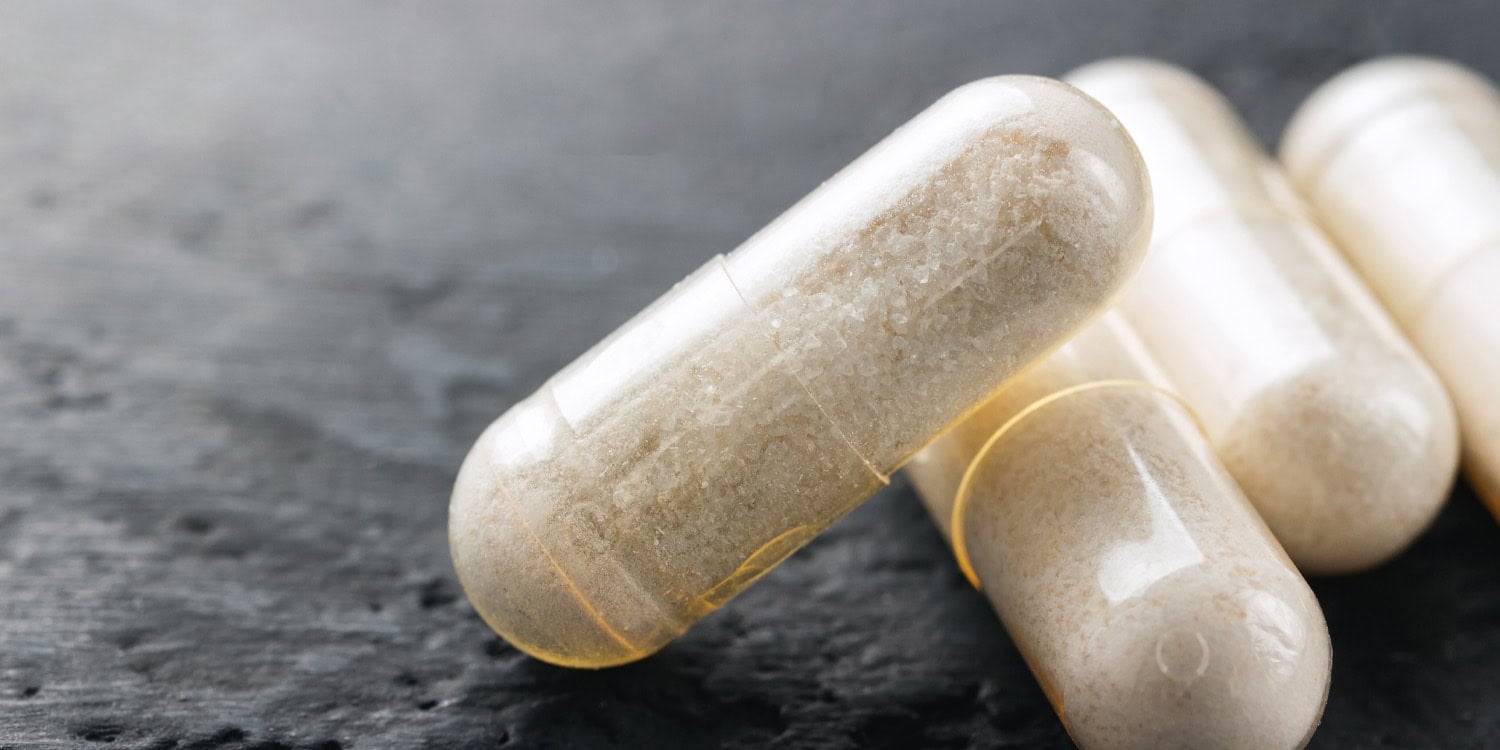
A daily probiotic containing Bifidobacterium longum 1714 may temporarily lift sleep quality and vitality among adults with mild to moderate depression, according to an eight-week randomised trial. Led by Kelly M. Seamans of the Irish biotechnology firm Novonesis, the study’s findings were published in Experimental and Clinical Psychopharmacology.
Mood disorders are a leading cause of disability worldwide. Many people with mild to moderate depressive symptoms are managed in primary care rather than by psychiatrists, and some hesitate to begin traditional antidepressants because of concerns about side effects relative to perceived benefits.
The human digestive tract hosts trillions of microorganisms that help digest food and regulate the immune system, and these microbes can communicate with the brain via the gut-brain axis. Some gut bacteria manufacture precursors to serotonin, a chemical messenger linked to mood regulation, and disruptions to the microbial balance can influence stress responses and mental health.
Researchers are exploring psychobiotics—live bacteria that may benefit mental health. The team investigated whether the B. longum 1714 strain could relieve low mood, building on earlier work that suggested it could improve sleep quality and blunt the physiological response to stress.
In the eight-week trial, 168 adults aged 18 to 70 with mild to moderate depressive symptoms were enrolled after screening with standard psychological checklists. Participants were excluded if they were taking antidepressants, sleep medicines, or undergoing cognitive behavioural therapy, to isolate the effects of the probiotic.
Participants were randomly assigned to two equal groups. One group took two capsules daily containing the active Bifidobacterium longum 1714 strain, while the other received identical placebo capsules with inactive ingredients such as corn starch. Neither researchers nor participants knew who received the active supplement until the study’s end, ensuring a double-blind design. Assessments occurred at the midpoint and at the end of eight weeks.
The primary outcome measured depression severity using the Beck Depression Inventory, a standard survey that assesses symptoms over the previous two weeks.
By the end of the eight weeks, both groups reported substantial improvement from baseline. Importantly, the difference in depression scores between the probiotic and placebo groups was not statistically significant at any time point, indicating no unique mood advantage from the bacteria in the primary outcome.
However, during the first four weeks, the probiotic group experienced notable changes in secondary measures. They showed a greater reduction in depressive symptoms on a secondary survey and reported markedly better sleep quality than the placebo group. Sleep metrics indicated shorter time to fall asleep and fewer participants classified as poor sleepers in the probiotic group at week four.
In addition, the probiotic group recorded higher scores in several quality-of-life domains at week four, including mental health, social role functioning and vitality, the latter reflecting energy levels and overall drive.
By week eight, most early benefits had levelled off as the placebo group continued to improve. Differences between groups were no longer significant for most mood and sleep metrics, although the probiotic group retained a measurable edge in self-reported vitality. The researchers noted that higher vitality scores correlated with lower overall depression scores across the study.
Safety monitoring through blood tests and vital signs revealed no meaningful adverse effects attributable to the probiotic, with side effects largely aligning with what is typical for dietary supplements rather than being treatment-specific.
The authors cautioned that the strong placebo response observed limits the ability to draw firm conclusions about the probiotic’s long-term effectiveness. In trials of mild depression, improvements can arise from expectations of benefit or regular clinical contact, potentially narrowing the apparent gap between active treatment and placebo over time.
Lifestyle factors such as diet and exercise were recorded at baseline but not tracked throughout the eight weeks, leaving room for unmeasured changes to influence mood and sleep. The participant group was predominantly female, and hormonal fluctuations were not tracked, which the researchers acknowledge as a limitation for future work.
The study, “Effects of Bifidobacterium longum 1714 on Low Mood and Related Symptoms: A Randomized, Double-Blind, Placebo-Controlled Trial,” was authored by Kelly M. Seamans, Elaine Patterson, Caterina Holz, David Groeger, Jouni Junnila, Fergus Collins, Eileen F. Murphy, Katy Sorensen, and Timothy G. Dinan.
