


Donald Trump’s decision to import Russian diesel fuel has triggered a political backlash in the United States, with Democrats condemning the move and some Republicans distancing themselves from the president’s handling of the war and soaring energy prices.
Mr Trump announced the deal with Vladimir Putin on Friday, saying it was intended to reduce fuel costs for American families, farmers, ranchers and truck drivers. The decision comes as the country moves into the final 23 days before the midterm elections.
Republican Senate Whip John Barrasso defended the move, arguing that the president was balancing the need to end Russia’s war in Ukraine with pressure to bring down prices.
“The president is focused on getting down the cost of energy,” Mr Barrasso said. He described the arrangement as “another point of leverage for the president to use against Putin in an effort to get a long-term solution”.
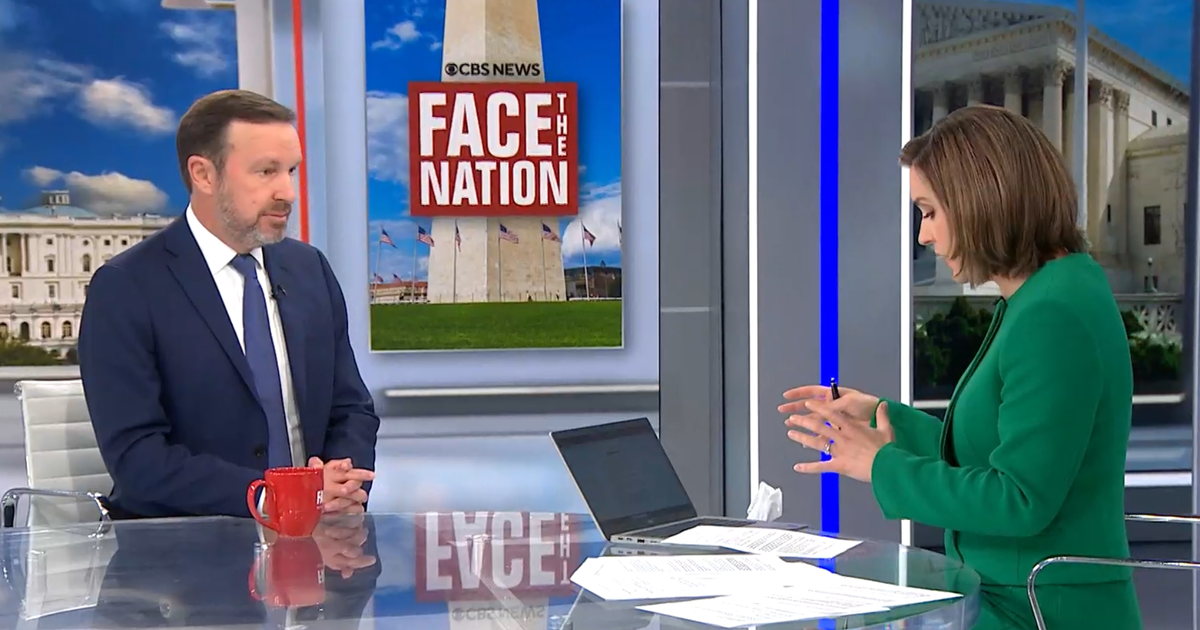
But Margaret Brennan, the presenter of the programme, pointed out that Congress banned Russian energy imports in 2022 and has recently approved further potential penalties against buyers of Russian oil. She questioned whether allowing Russian fuel into the US undermined those measures.
Mr Barrasso said legislation passed by Congress had been designed to give Mr Trump “the flexibility and the firepower” to use sanctions as a tool against Moscow. He also argued that the long-term answer was to increase domestic American energy production.
Former vice-president Mike Pence was quoted as saying that lifting sanctions on Russian fuel “makes no sense” and represented a betrayal of the legacy of the late senator Lindsey Graham. Mr Barrasso said he supported the law and believed the president should use it in the interests of peace and lower energy prices.
Democrats attack Trump’s war strategy
Connecticut Democratic senator Chris Murphy said the administration’s wider foreign policy had become an electoral liability. He said gas and diesel prices were rising, American lives had been lost and billions of dollars had been spent, describing the conflict with Iran as “a humiliation to the United States”.
Mr Murphy opposed further US military action in Yemen after an attack at an airport in Riyadh, Saudi Arabia, which he said had killed 12 people and injured 309, including one American. He warned that retaliation against the Iran-backed Houthis would escalate an already dangerous regional conflict.
“The president needs to bring this war to an end,” Mr Murphy said, arguing that ending American hostilities would be the quickest route to reopening regional waterways and easing pressure on taxpayers and civilians.
Republican candidates in battleground states have sought to put distance between themselves and parts of Mr Trump’s approach. Mr Barrasso acknowledged that Michigan Republican Senate candidate Mike Rogers had said the Iran war should end and that high fuel prices were a problem.
New Hampshire Democratic Senate candidate Chris Pappas said voters were struggling with heating oil, diesel, housing and healthcare costs. He argued that Mr Trump’s claim that candidates should be treated as standing in for him would make the president’s record central to the midterm contests.
“If you were paying $1,000 to fill up your home heating oil tank, or $6.50 to put diesel in your car for every gallon, or housing costs that are through the roof, you’re not feeling like you’re winning right now,” Mr Pappas said.
Mr Barrasso maintained that Republicans were better placed to address the energy crisis, accusing Democrats of opposing fossil fuels and favouring higher prices. Democrats, he said, wanted the country to move towards electric vehicles while restricting domestic production.
The dispute over Russian diesel is likely to remain a prominent issue as both parties attempt to mobilise voters before the midterms, with energy prices and the administration’s military decisions shaping the closing stages of the campaign.
