


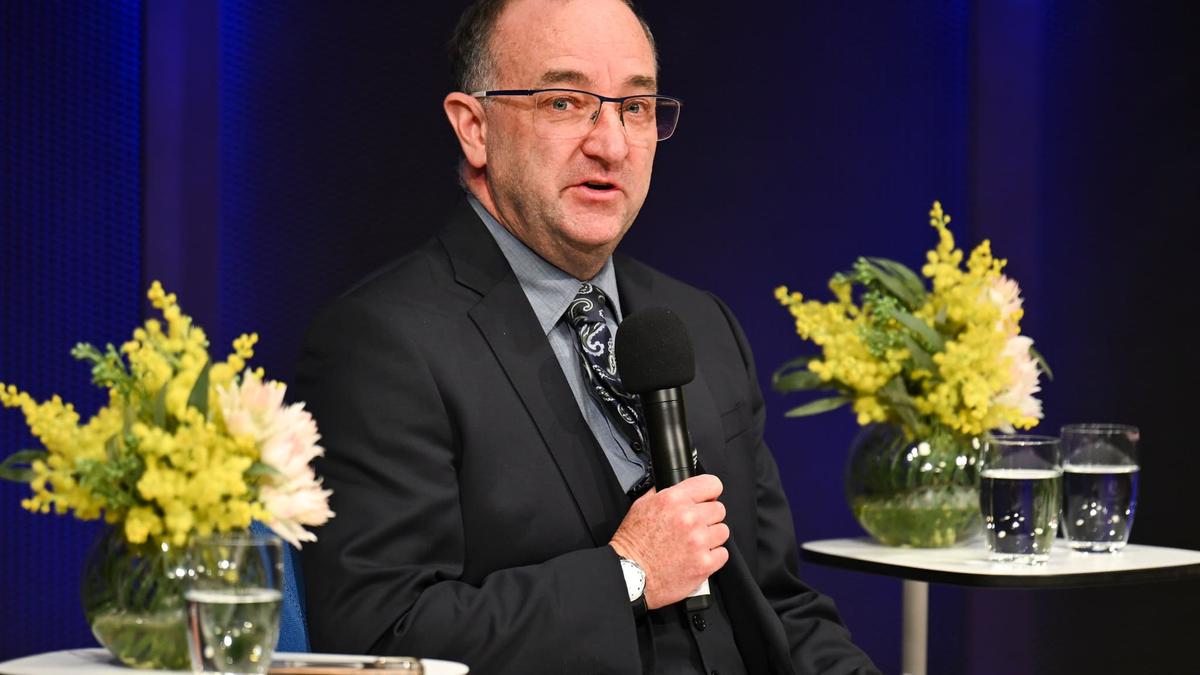
Australia’s definition of terrorism should be changed to remove explicit references to religion, the country’s Independent National Security Legislation Monitor has recommended.
The proposed reform would continue to cover religiously motivated violence, but classify it under the broader category of “ideology”. Jake Blight, head of the INSLM, said the change was intended in part to reduce the harm caused to religious communities, particularly Muslims.
Australian law currently defines a terrorist act as an action or threat that meets three conditions, including that it is carried out “with the intention of advancing a political, religious or ideological cause”.
In a 402-page report, Mr Blight warned that treating religion as a separate category had contributed to the “stigmatisation of religious minorities”.
“There are arguments that the long-term effect of including religious causes as a separate category has, in practice, had detrimental effects on some counter-terrorism efforts,” he wrote.
He said the stigma had made it harder for police to work with affected communities and had weakened efforts to counter extremism. It “may also be contributing to racist violent extremism directed at minority groups”, he added.
The report highlighted the 2019 Christchurch mosque attack, which was itself an act of terrorism. The Australian-born perpetrator claimed he had acted “in retaliation for Islamist extremist terror events in Europe”.
Mr Blight said keeping religion as a distinct reference in the legal definition could give offenders “false credibility” by reinforcing the idea that they were “doing holy work”.
Recommended changes to terrorism offences
The INSLM has also questioned the meaning of the word “ideological” and recommended that religious motivations be brought within that wider term.
Separately, the report calls for reduced penalties for people who make credible terrorist threats but do not carry them out. Such offences can currently attract a life sentence, with a mandatory minimum of six years.
Mr Blight said the existing punishment was “disproportionate”, although he argued that making a credible threat should remain a criminal offence because it could cause significant fear and distress.
He recommended a maximum sentence of no more than 15 years, describing the current position as “unnecessarily complex and out of step with international standards”.
The terrorism laws were introduced as part of a sweeping review after the September 11 attacks on the World Trade Centre in New York in 2001.
