


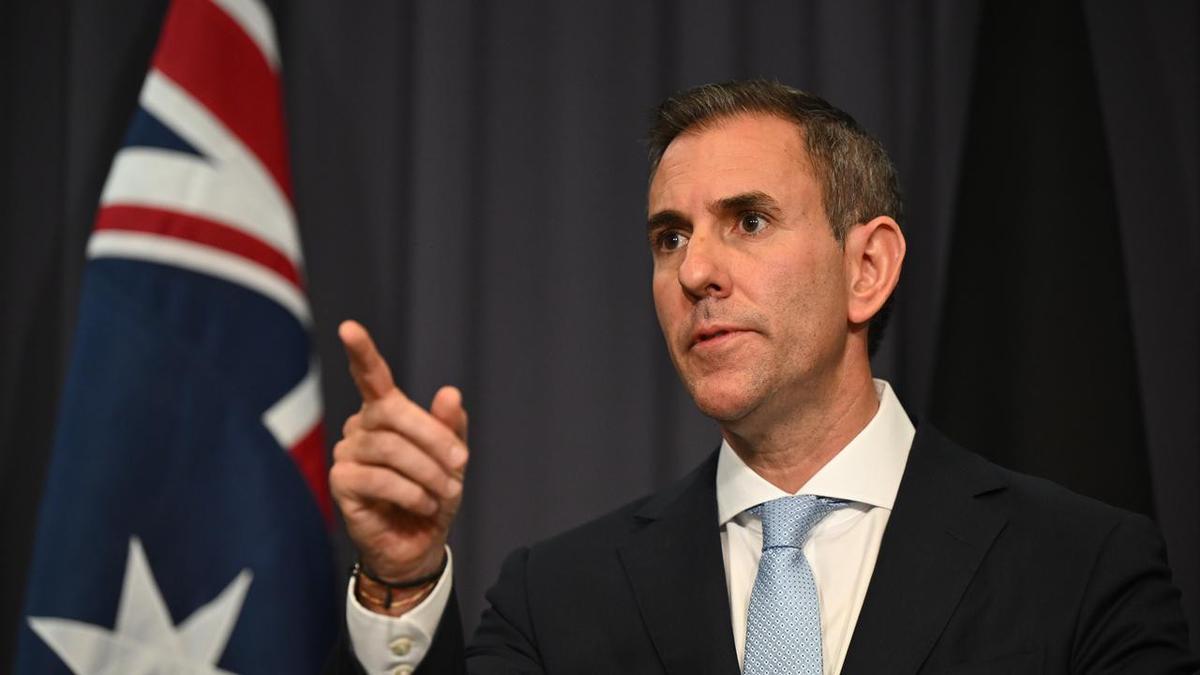
Australian Treasurer Jim Chalmers has offered businesses using discretionary trusts an alternative to costly restructuring as the government presses ahead with a 30 per cent minimum tax on trust income from July 2028.
Under draft legislation released on Thursday, eligible trusts will be able to retain their existing structure by electing to make fixed distributions to beneficiaries nominated in advance. The option is designed to avoid the state and territory stamp duty that could otherwise be triggered if businesses moved into companies or fixed trusts.
The government had already promised expanded rollover relief for businesses seeking to restructure. That relief will now be available for three years from July 1, 2027, before the new tax takes effect.
Treasury estimates about 350,000 small businesses operate through discretionary trusts, with more than 200,000 expected to pay additional tax under the reform. CPA Australia has warned that restructuring could bring stamp duty bills running into tens of thousands of dollars, alongside legal and accounting fees.
Businesses changing their structure could also have to revise employment agreements, leases, supplier contracts and finance arrangements, adding to the cost and administrative burden.
The draft measures also confirm exemptions for charitable trusts, special disability trusts, superannuation funds, deceased estates and discretionary testamentary trusts established for genuine testamentary purposes. Primary production income and certain income relating to vulnerable minors will also be excluded.
Distributions from trusts to registered charities and deductible gift recipients will not be caught by the minimum tax. Payments to other income-tax-exempt organisations, including sporting clubs, are also expected to be excluded up to a cap that will be set after consultation.
The legislation would further define the types of fixed trusts that will remain outside the new regime, including widely held trusts, managed investment trusts, bare trusts and employee share trusts.
Trust beneficiaries affected by the minimum tax will be able to receive refunds of excess franking credits connected with trust income after the trustee has offset its tax liabilities.
30 per cent minimum tax on discretionary trusts
The reform is expected to raise $4.5 billion by 2030 and is intended to curb the use of discretionary trusts, whose numbers have more than doubled over the past two decades to about 840,000.
The government says the changes will make the tax system fairer by bringing tax rates on trust income closer to those paid by workers. It has also said more than 90 per cent of small businesses will not be affected by the measure in any given year.
Mr Chalmers said the government was committed to supporting small businesses, pointing to more than $3.8 billion in new measures intended to lower business taxes and encourage investment and growth.
Consultation on the draft bills will run for two weeks before the legislation is finalised.
