


UK 30-year gilt yields have risen above 6 per cent for the first time since 1998, intensifying pressure on the Chancellor ahead of this month’s Budget.
The yield on the long-dated government bond reached 6.029 per cent, its highest level since January 1998. Gilt prices move in the opposite direction to yields, meaning the rise reflects a sharp sell-off in the market.
Ten-year gilt yields also climbed to 5.509 per cent, passing 5.5 per cent for the first time since July 2007, while five-year borrowing costs reached an 18-year high.
The increase came amid a wider rise in borrowing costs around the world, with US Treasury yields moving higher and government bonds in Germany, France and Japan also selling off in early trading.
Britain already has the highest borrowing costs in the G7. The latest market moves came just days after the Government paid the highest yield on a ten-year gilt auction since 1999.
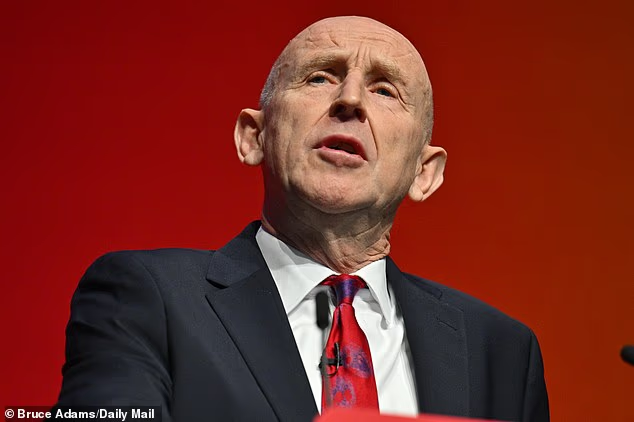
Higher yields increase the cost of financing the national debt, leaving less room for spending plans when John Healey delivers his inaugural Budget this month. They are also likely to add to concerns that the Government may need to raise taxes.
Axel Rudolph, chief technical analyst at IG, said: “Even the recent fall in oil prices hasn’t provided any lasting relief for bond markets. With yields still rising, the Chancellor faces an increasingly narrow path as he prepares to set out his plans for the economy.”
Oil prices offered little relief to financial markets. Brent crude fell below 97 dollars a barrel after a sharp decline on Wednesday, but had recovered to around 100 dollars in morning trading.
Susannah Streeter, chief investment strategist at Wealth Club, said: “With debt already high and interest payments eating up a hefty chunk of public finances, sustained yields at these levels could further squeeze the Chancellor’s wiggle room when he sets out his spending plans.”
The gilt sell-off also spread to shares. The FTSE 100 fell 1.8 per cent, or 195 points, to 10,410 in early trading, while the FTSE 250 dropped 1.54 per cent to 24,188.
Housebuilders and banks were among the biggest fallers, with Barratt Redrow down 5.55 per cent and Games Workshop 5.3 per cent. HSBC, Standard Chartered, NatWest Group, Lloyds Banking Group and Barclays were also among the ten biggest decliners on the blue-chip index.
Ms Streeter said the FTSE 100 had been hit by concerns over potentially higher inflation, increased refinancing costs and the effect on consumer spending. Germany’s Dax fell 1.10 per cent, while France’s CAC index lost 1.23 per cent.
Neil Wilson, UK investor strategist at Saxo, said: “This could be a significant moment for the market as the pressure build-up in the bond market is finally hitting equities… It looks like the relentless rout in the bond market is sending investors running for cover.”
