


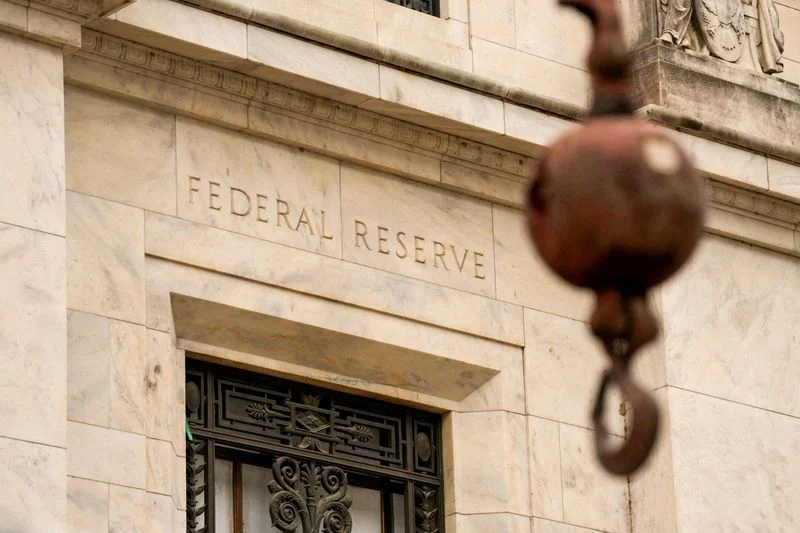
A surge in US hiring has revived expectations of an interest-rate increase by the Federal Reserve, placing chairman Kevin Warsh under renewed pressure as President Donald Trump intensifies demands for borrowing costs to be cut.
Employers added 162,000 jobs in August, according to the Bureau of Labor Statistics, far exceeding the average monthly increase of 31,000 over the previous year. The unemployment rate remained at 4.1 per cent, while the proportion of people either working or seeking work rose to 61.6 per cent.
The figures have strengthened the case for the Fed to raise rates at its meeting on September 15 and 16, although next week’s inflation data are expected to play the decisive role. Traders increased the implied probability of a rate rise this month to about 62 per cent, up from roughly 55 per cent before the employment figures were published.
Wage growth provided some reassurance for policymakers concerned about inflation. Average hourly earnings increased by 3.1 per cent over the year, a pace viewed by Fed officials as broadly consistent with their 2 per cent inflation target.
The August report also showed that employment gains in June and July had been revised upwards by a combined 55,000. Jobs rose particularly sharply in food services and drinking places, while local government education also recorded a substantial increase.
Mr Warsh has said the central bank needs confidence that underlying inflation is moving back towards its target “clearly and at sufficient speed”. His remarks at the Jackson Hole economic symposium last week were widely interpreted as leaving open the possibility of a rate increase this month.
However, the prospect of tighter monetary policy has brought him into potential conflict with Mr Trump, who again called for lower rates in a post on Truth Social. The president said the Federal Reserve should “get smart” and accused high interest rates of putting the US at an unfair disadvantage.
“We should have the LOWEST RATE of any country in the World … LOWER THE RATE OR I’LL STOP TRADING WITH COUNTRIES WITH WHICH WE HAVE A DEFICIT,” Mr Trump wrote.
The president has repeatedly pressed the Fed to reduce borrowing costs, arguing that cheaper credit would support the US economy. His latest intervention came as longer-term Treasury yields remained elevated, increasing the cost of government borrowing and adding to pressure on households facing high housing and other expenses.
Fed governor Christopher Waller said on Thursday that he would favour leaving rates in the 3.50 to 3.75 per cent range if the next set of inflation figures showed price pressures continuing to ease. The consumer price index and producer price index, due before the September meeting, will therefore be closely watched by policymakers and financial markets.
Economists at Capital Economics said the strength of the employment report made it difficult to justify leaving rates unchanged, but agreed that the final decision would depend largely on the inflation data. Nationwide’s chief economist, Kathy Bostjancic, said the latest figures supported expectations of two quarter-point increases before the end of the year.
