


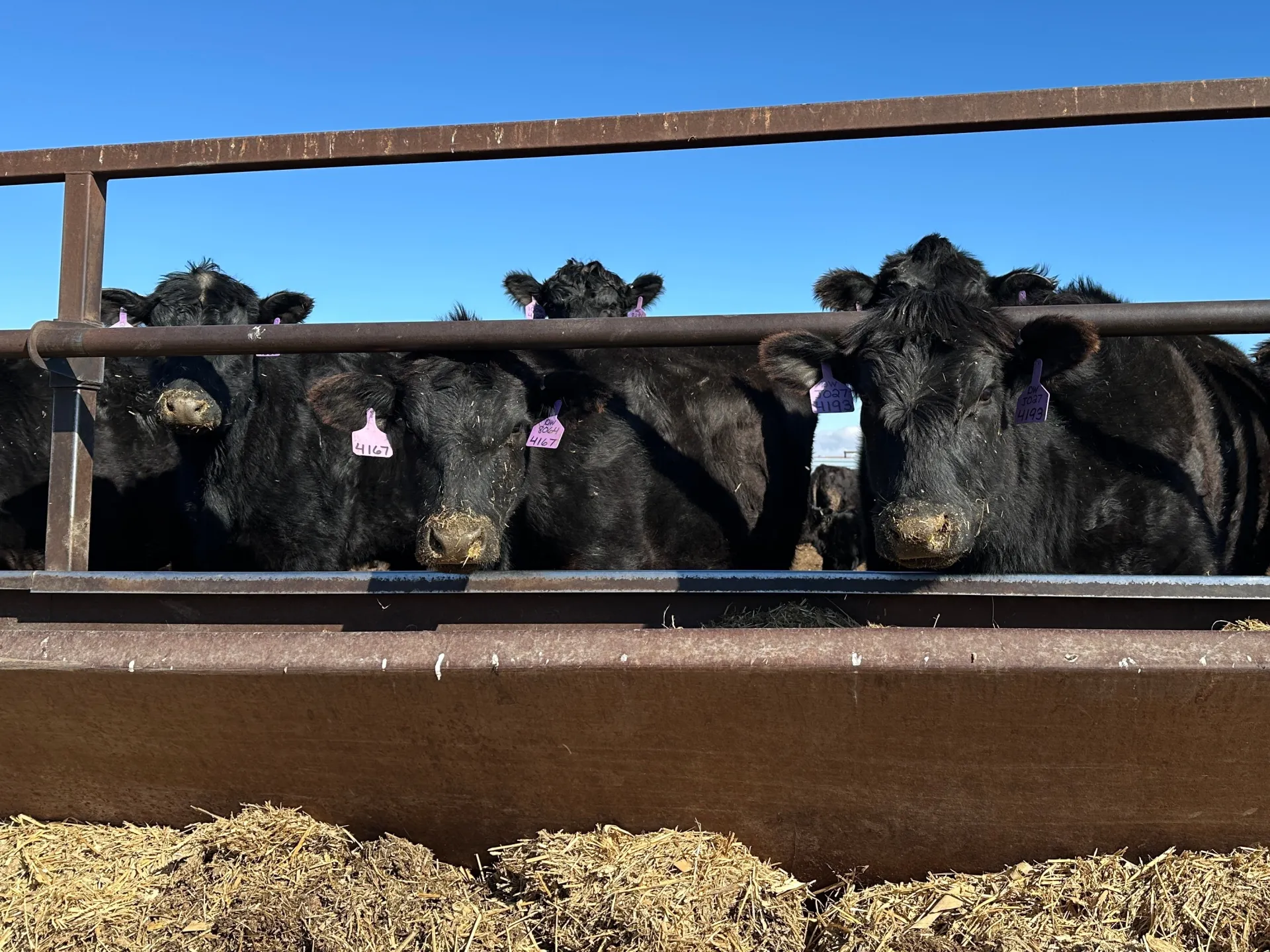
Donald Trump’s pause on some US beef tariffs has unsettled American ranchers, with cheaper imports from Brazil threatening to undermine the market signal that had encouraged producers to expand their herds.
The 90-day measure, announced in late August, was presented as a way to reduce prices for consumers. But cattle prices at auctions fell soon afterwards, temporarily cutting ranchers’ profits as many were preparing to take livestock to market.
The United States Cattlemen’s Association, the National Cattlemen’s Beef Association and the Farm Bureau all opposed the decision. Rural Republican members of Congress have also sought to distance themselves from the move, although it remains uncertain whether the issue will affect voting in next year’s midterm elections.
Chad Basinger, a rancher in Pretty Prairie, Kansas, said some producers had talked about supporting the opposition party or staying away from the polls. However, he did not expect the tariff decision alone to cause a major political shift.
“I know there’s people that have said, ‘Well I’m just gonna vote for the other party’ or ‘I’m not gonna vote’ or ‘This administration’s really let me down’. So yes, there will be people that swing the other way in the midterms. But overall I don’t think it’ll be that much,” he said.
Ranchers will also consider other administration policies, including the $8 billion in farm relief announced in Kansas on October 19. Basinger’s district is expected to remain safely Republican, although Kansas faces a tighter Senate contest and cattle-producing areas in Montana, Iowa, Texas and Colorado include potential swing districts.
Farmers and ranchers make up a shrinking share of rural voters, meaning they are unlikely to determine elections on their own. But the tariff decision has intensified concern over the future of an industry already under pressure.
Tariff changes add volatility to cattle markets
The US cattle herd is close to its smallest size since 1951, while the number of ranchers has declined alongside livestock numbers. Drought, fuel prices and shifting tariff policy have added to uncertainty, with fears that further instability could push more producers out of the industry.
David Anderson, an agricultural economist at Texas A&M University who advises ranchers, said strong cattle prices this year should have encouraged investment and herd expansion. Cheaper imports, he argued, risked sending producers the opposite signal.
“It really works against the market signal to expand and produce more domestically,” Mr Anderson said. “That got a lot of people pretty angry.”
Trump imposed a 50 per cent tariff on Brazilian beef last year, increasing the cost of imports of lean beef commonly blended with US beef for hamburger patties. In February, more tariff-free beef imports were allowed from Argentina, while similar changes were made for Brazil and Paraguay in August.
Each decision prompted sharp movements in cattle futures, which can react quickly to political and trade news. Prices have also been affected by meat-processing plant closures, labour shortages linked to Immigration and Customs Enforcement activity at Kansas packing plants, and the reopening of the southern border after a closure caused by New World screwworm disease.
Longer term, the decline in the US herd is more closely linked to drought cycles. More intense droughts, driven by warming temperatures and increased evaporation, have added to the strain on ranchers.
“This has been a hot topic for the last six weeks,” Mr Anderson said. “It just adds a little more uncertainty or volatility — or worries or stress.”
Although cattle prices reached record highs this year because of limited US supplies, high revenue has not necessarily translated into large profits. Many ranchers operate at a loss for years and depend on occasional strong seasons to repay debt or increase the size of their herds.
Loan interest rates, fuel and fertiliser costs, and expensive feed during drought have all reduced returns. Ranchers in Kansas and Nebraska have also faced destructive wildfires, with aid groups organising hay donations.
Mr Basinger said cow-and-calf operations had generally performed well in Kansas, allowing some producers to fund repairs and improvements. But he said the higher prices needed to last longer if ranchers were to make major investments, such as buying neighbouring land.
Rising land prices are another obstacle. Outside investors can often pay more than ranchers when pasture comes on to the market, leaving less land available for cattle and adding to the long-term contraction of the US herd.
“People are upset. They have a right to be upset. But they’re not going to change their strategy,” Mr Basinger said. The impact could be greater on younger people deciding whether to take over family ranches or enter the industry.
“If you’re seeing your dad not make money, or somebody else not make money…it’s not easy work!” he said. “It has to be very enticing for somebody to want to jump in and be like, ‘I’m gonna be a rancher and go break ice in the middle of winter when it’s cold and I could be inside’.”
