


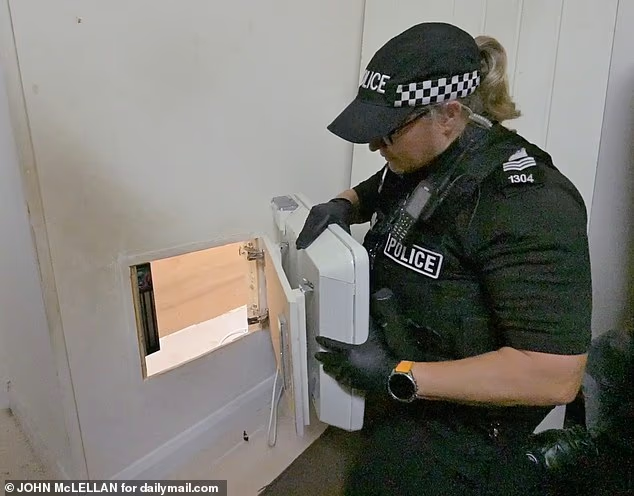
Hidden compartments in shops were uncovered during a high-street crime crackdown in Lowestoft, Suffolk, including a ceiling void containing illegal and counterfeit tobacco worth £1,000.
The raids formed part of Operation Machinize, a UK-wide operation led by the National Crime Agency. Officers from Suffolk Police, Immigration Enforcement and Trading Standards targeted about ten convenience stores, vape shops, nail salons, barbers and massage parlours identified as potentially linked to criminal activity.
Security minister Dan Jarvis observed the operation, in which specialist teams used a sniffer dog trained to detect tobacco and cash.
At one vape shop, a door disguised as shelving led to a back room lined with plywood panels. After the dog detected a scent high on a wall, officers removed a section of panelling and found shelves attached to a sliding mechanism that could be pushed into a void in the ceiling.
The hidden space contained illegal and counterfeit tobacco prepared for sale at prices lower than legitimate brands. A second compartment concealed behind an electric radiator was also discovered at nearby premises, although it was empty.
In another shop, officers found a hide measuring about two feet wide and three feet deep beneath the floor.
Officials said criminal operators were increasingly using sophisticated concealment methods, including electromagnetic locks operated by remote controls, switches or key fobs. Cash-only policies, unusually low prices and a lack of customers can indicate suspicious activity, but the full nature of some businesses is harder to establish.
Two people were arrested for modern slavery and immigration offences during a raid on a brothel in the area.
Mr Jarvis said: “The use of shops for criminal activity is an issue we’ve known about for a while, with some of these premises effectively hiding in plain sight.
“That’s why we’re targeting these illicit shops to stop them taking root on our high streets and harming legitimate businesses that have to compete with them.”
The Home Office has announced the recruitment of 500 officers to tackle money laundering networks, as part of a £500 million investment over three years. The officers will be deployed to police forces, the National Crime Agency and the Crown Prosecution Service to pursue those responsible for laundering an estimated £1 billion through the UK economy each year.
Councils can currently close premises where illegal goods have been seized for six months. The Government is doubling the maximum closure period to a year.
Police said individual shops could make as much as £3,000 a week from selling illegal tobacco, depriving the Treasury of tax revenue while directing money towards gangs involved in other criminal activity.
John French, a modern slavery specialist at Suffolk Constabulary, said illicit shops were often connected to organised immigration crime.
“The shop workers will often be exploited or forced to work under threats of violence against them or their families,” he said.
Lowestoft MP Jess Asato said legitimate traders followed the rules and that those who broke the law “must face the consequences”.
