


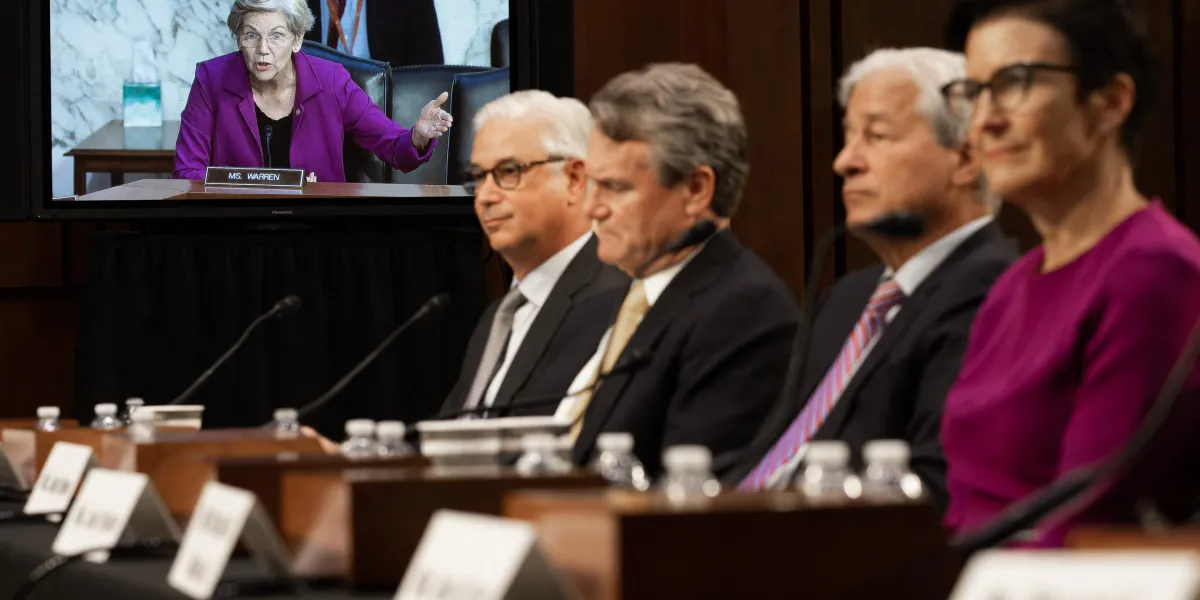
Democrats’ midterm victory is set to bring greater scrutiny of Wall Street, with Elizabeth Warren expected to chair the Senate Banking Committee and lawmakers preparing investigations into the biggest US banks. Analysts and legal experts, however, say the immediate impact is likely to be more political theatre than substantive change.
The first indications of the new balance of power emerged within days of the election. Senate Democrats are preparing to investigate JPMorgan over its relationship with the late sex offender Jeffrey Epstein, CNBC reported, citing a source familiar with the matter. JPMorgan declined to comment.
Ron Wyden, the Oregon Democrat expected to chair the Senate Finance Committee, offered a brief indication of what may follow when he posted the word “Subpoenas” on X on the evening polls closed.
Joann Needleman, who leads the financial services regulatory and compliance practice at law firm Clark Hill, said the next Congress was likely to produce “a tremendous amount of political theater”.
That could include subpoenas, hearings, investigations and letters demanding answers from senior banking executives. Ms Needleman said the larger banks could be summoned before committees and publicly criticised over their profits and the charges imposed on consumers.
Ms Warren has previously called for criminal investigations into banking executives, described private equity as legal “looting” and drafted legislation intended to make it easier to prosecute company leaders.
Mike Mayo, Wells Fargo’s head of US large-cap bank research, said elected politicians had mandates which they would be expected to pursue. But he added that heightened scrutiny would not necessarily disrupt the banks’ daily operations.
“The legislative leaders, at a minimum, have a full pulpit to relay their messages,” Mr Mayo said. “The degree that those messages translate to actual laws or regulations is a lot less.”
Ken Mahoney, president and chief executive of Mahoney Asset Management, said tougher language and additional hearings were possible, but turning rhetoric into legislation would be considerably more difficult.
President Donald Trump retains the power to veto legislation, while financial regulators including the Federal Deposit Insurance Corporation and the Office of the Comptroller of the Currency remain under leaders appointed by him.
Those agencies retain authority over bank regulation, meaning a change in congressional control would not by itself reverse the administration’s approach. During Mr Trump’s second term, the FDIC has rolled back merger policies introduced under Joe Biden, while regulators have eased some capital constraints, giving banks greater flexibility in using their balance sheets.
Ben Gerlinger, a Citi analyst, said Congress could subpoena companies and summon their management, but would struggle to alter banks’ business models without action from a regulatory agency.
“They can make life difficult, but they can’t necessarily change the overall tenor of where the banks are projected to go,” Mr Gerlinger said. “But at the end of the day, earnings drive banks. I think earnings are still in a really good spot, in addition to capital levels.”
The outlook could change if Democrats retain their advantage beyond the Trump presidency and appoint new regulators in Washington. For now, analysts expect the election result to influence the tone and intensity of oversight more than the direction of bank regulation.
