


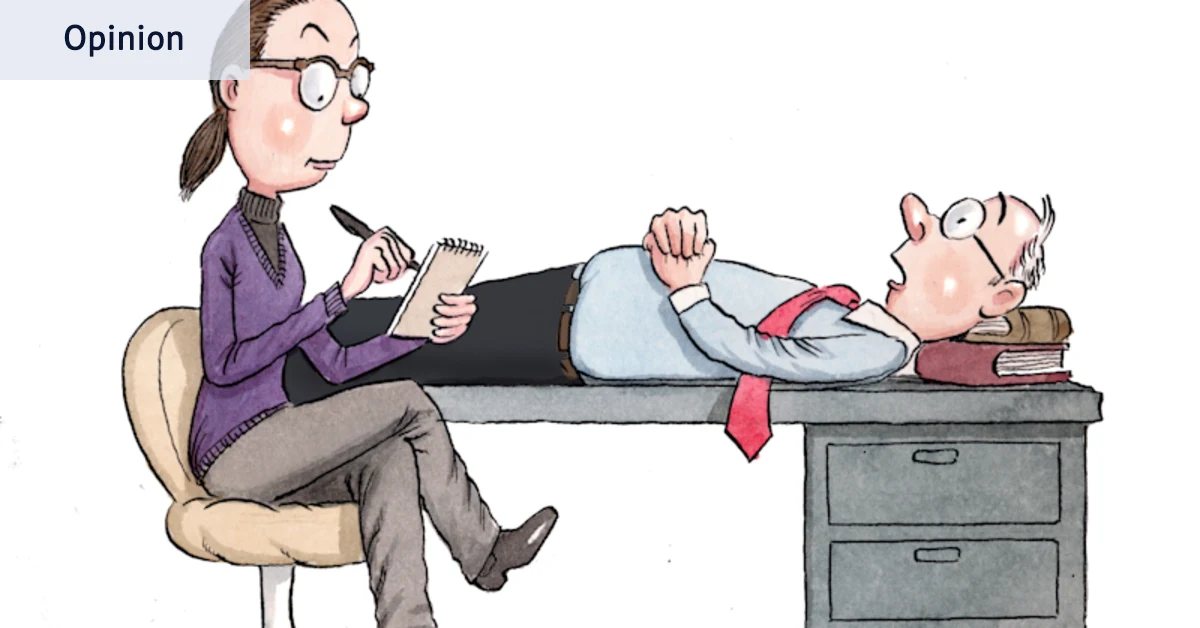
An employee who received glowing feedback from their manager has been left questioning their future after a later review delivered a low performance rating without any prior warning or coaching.
The worker said their manager had recently become more involved in their duties, overriding decisions and intervening in tasks in a way that felt undermining rather than supportive. They eventually asked whether they were being pushed out, but said the manager responded defensively that intervention was simply part of their role.
The concerns intensified when the employee’s latest formal review cited problems that had never been raised directly. They said they had received no examples, coaching conversations or advance indication that their performance was viewed negatively.
Professor Denise Jepsen, an organisational psychologist in the Macquarie University Department of Management, said the sudden change was unusual and potentially pointed to wider pressure within the organisation.
“The golden rule for performance appraisal is ‘no surprises’, so this is not a good sign,” she said.
Professor Jepsen suggested the manager’s own circumstances may have changed, including altered performance targets, pressure from senior leaders or concern about financial results. She also pointed to the uncertainty created by artificial intelligence and difficult conditions for businesses.
Managers are generally expected to achieve results through their teams, she said. If a manager believes work is no longer being completed properly, pressure from above could lead them to intervene more heavily — possibly unfairly — or direct their frustration towards an employee.
However, she said it was also worth considering whether the manager had begun viewing an aspect of the employee’s work differently: something that had not previously mattered, or had not previously been a concern.
That possibility does not explain away the absence of clear feedback. Professor Jepsen said an employee was entitled to ask for evidence supporting a low rating as a matter of “simple procedural justice”.
She cautioned against approaching the manager too aggressively, particularly as the defensive response suggested they might themselves be uncomfortable with recent changes. Seeking specific examples and clarification could help establish whether the criticism reflected a genuine performance concern or a wider shift in the organisation.
A move from strong praise to serious disapproval without warning is poor management, Professor Jepsen said, and the employee deserved an explanation. No worker should be left feeling undermined or targeted without being told what has changed and how they are expected to respond.
