


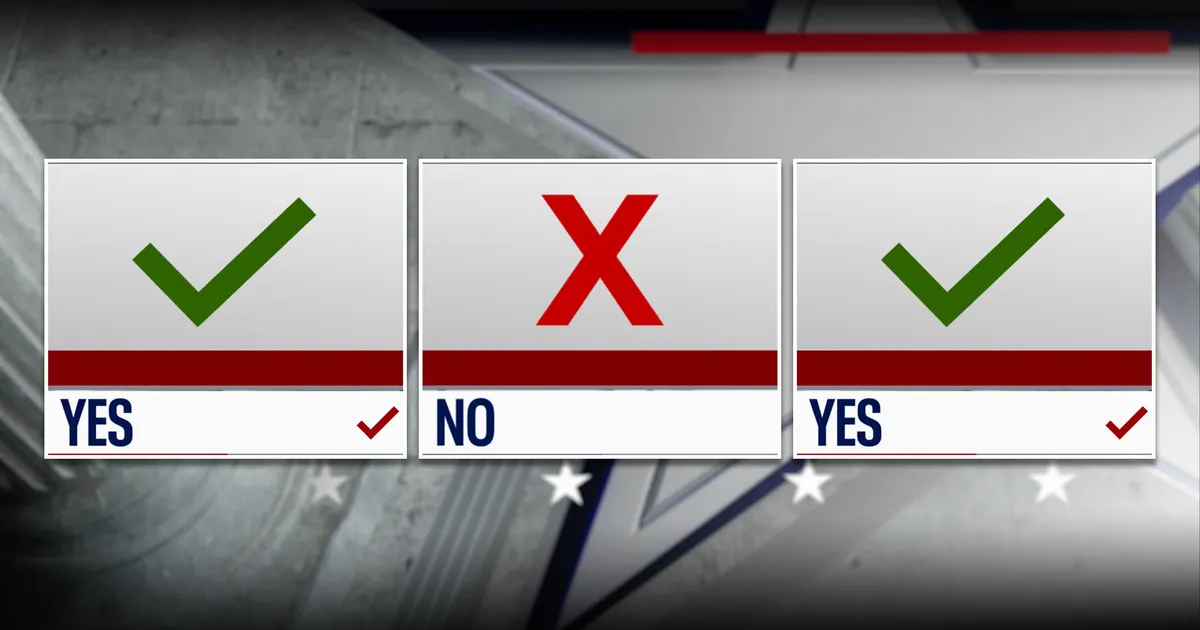
Wisconsin voters approved two of three constitutional amendments in the 3 November 2026 election, backing new restrictions on the governor’s partial veto power and a ban on race-based preferential treatment by public bodies. A proposal to prevent authorities from closing places of worship during emergencies was rejected.
The results give the Republican-controlled state legislature two changes to the Wisconsin Constitution, after each measure was approved by lawmakers in two consecutive legislative sessions. Constitutional amendments cannot be vetoed by the governor and require final approval from voters.
Wisconsin constitutional amendment results
Question 1, limiting the governor’s power to create or increase taxes or fees through a partial veto, passed with about 51 per cent of the vote, according to preliminary results with roughly 98 per cent of ballots counted. Question 2 was rejected, with about 52 per cent voting against it, while Question 3 passed by approximately 56 per cent to 44 per cent. ([fox11digital.com](https://fox11digital.com/elections/elections.php))
The first amendment was prompted by Tony Evers’s use of his veto authority on a 2023 budget measure. The Democratic governor removed the “20” and a hyphen from “2024-25”, changing the wording to “2425” and allowing increased school funding to continue for more than 400 years.
The Wisconsin Supreme Court ruled that the veto was permitted. The amendment approved by voters does not undo that decision or apply retrospectively, but is intended to prevent a governor from using the partial veto to create or increase a tax or fee in future. ([wpr.org](https://www.wpr.org/news/wisconsin-constitutional-amendments-2026-governors-powers-dei))
Question 2, which failed, would have amended the state’s religious-liberty protections to prevent Wisconsin or its local authorities from ordering places of worship to close, or banning gatherings there, during a state of emergency, including a public-health emergency.
The proposal grew out of disputes over restrictions imposed during the Covid-19 pandemic. Its defeat means the constitution will not be changed to create an explicit prohibition on such emergency orders.
Voters also approved Question 3, creating a constitutional prohibition on governmental entities discriminating against or granting preferential treatment to individuals or groups on the basis of race, sex, colour, ethnicity or national origin.
The measure covers public employment, education, contracting and administration. Supporters described it as an equality and merit amendment, while opponents argued it could restrict affirmative-action measures intended to help groups facing entrenched disadvantages.
