


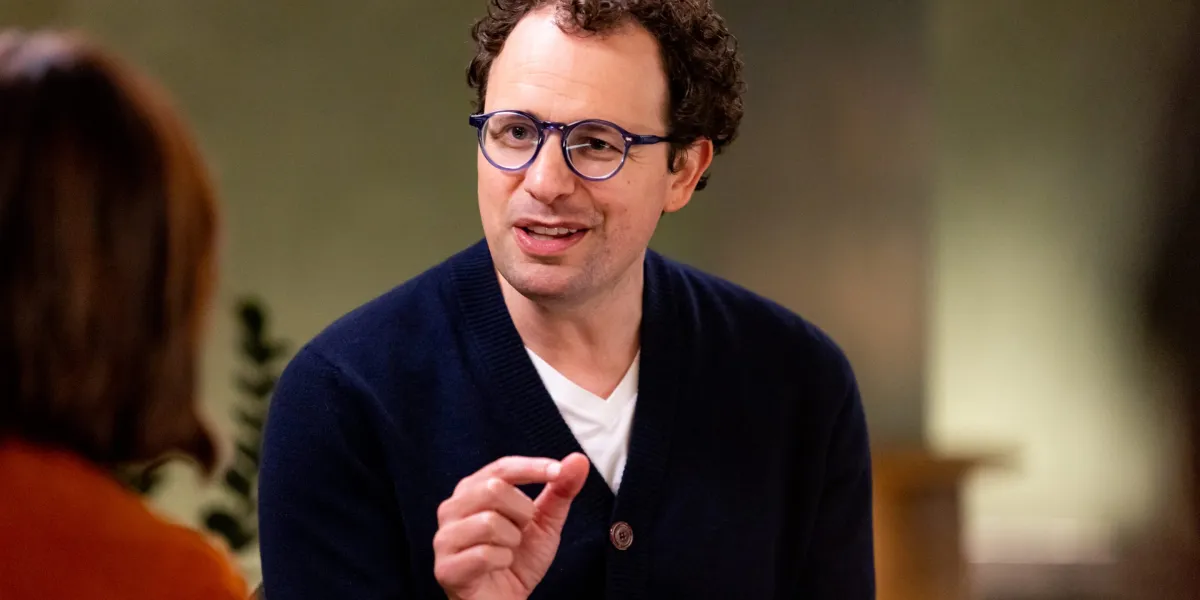
Anthropic chief executive Dario Amodei says he spends up to 40% of his working time protecting the company’s culture as it expands rapidly and prepares for a possible stock market listing.
Amodei said his role had shifted away from overseeing every technical and product decision as Anthropic grew to about 3,500 employees. His priority, he said, was ensuring staff understood the company’s mission, enjoyed working there and were pulling in the same direction.
“I probably spend a third, maybe 40%, of my time making sure the culture of Anthropic is good,” he said in an interview recorded for the Dwarkesh Podcast.
The comments offer an insight into how the chief executive is managing Anthropic ahead of a potential initial public offering as early as next month. The listing could value the company at up to $2 trillion, which would make it more valuable than SpaceX’s recent $1.77 trillion public debut.
Anthropic told investors this week that its third-quarter revenue had risen 50% to $16.8 billion and that it was profitable on an adjusted basis.
Anthropic’s focus on communication
Amodei said he believed the company had largely succeeded in maintaining a shared sense of purpose despite its growth. “I think we’ve done an extraordinarily good job, even if not perfect, of holding the company together, making everyone feel the mission, that we’re sincere about the mission, and that everyone has faith that everyone else there is working for the right reason,” he said.
His approach centres on frequent and direct communication. Every two weeks, he addresses staff at an all-hands meeting known as a “DVQ”, short for Dario Vision Quest.
Amodei said he speaks for about an hour using a three- or four-page document, covering subjects including product strategy, geopolitics and the wider technology industry. Many employees attend in person or online.
He also uses an internal Slack channel to answer questions and share his thoughts during the week, while attempting to avoid what he described as “corpo speak”.
“The point is to get a reputation of telling the company the truth about what’s happening, to call things what they are, to acknowledge problems, to avoid the sort of ‘corpo speak,’ the kind of defensive communication that often is necessary in public,” he said.
Amodei compared the approach with the “radical transparency” management style associated with Bridgewater Associates founder Ray Dalio, which encourages employees to offer frank feedback to senior figures. Critics of such an open culture have argued that it can cause staff to become more guarded.
Anthropic has faced questions over a change to its Responsible Scaling Policy earlier this year. The company removed a pledge not to continue training its systems beyond a certain level of capability unless it could guarantee that its safety measures were adequate, saying competitive pressures and a lack of regulation had driven the change.
Critics have suggested the move could take Anthropic away from the safety-focused identity on which it was founded. Amodei and the company have nevertheless remained prominent voices calling for regulation of the sector.
He said candid internal communication was especially important as Anthropic faced pressure to become profitable and compete with rivals including OpenAI. “But if you have a company of people who you trust—and we try to hire people that we trust—then you can really just be entirely unfiltered,” he said.
