


Australia’s social media ban for under-16s has reduced the number of children holding accounts, but early evidence suggests enforcement by technology companies remains inconsistent.
The legislation, introduced as the first national law of its kind, requires platforms to take “reasonable steps” to prevent children under 16 from opening or retaining accounts. Companies that fail to comply could face penalties of about 70 million Australian dollars.
In the first three months, the number of 10- to 15-year-olds with at least one account on age-restricted platforms fell by about 20 per cent, according to Australia’s online safety watchdog.
However, half of under-16s who still had accounts said they had not been asked to confirm their age, according to the country’s eSafety commissioner, Julie Inman Grant.
“We haven’t seen the kind of compliance I would have hoped for from the social media platforms,” Ms Inman Grant said. Her office is investigating several companies for possible breaches.
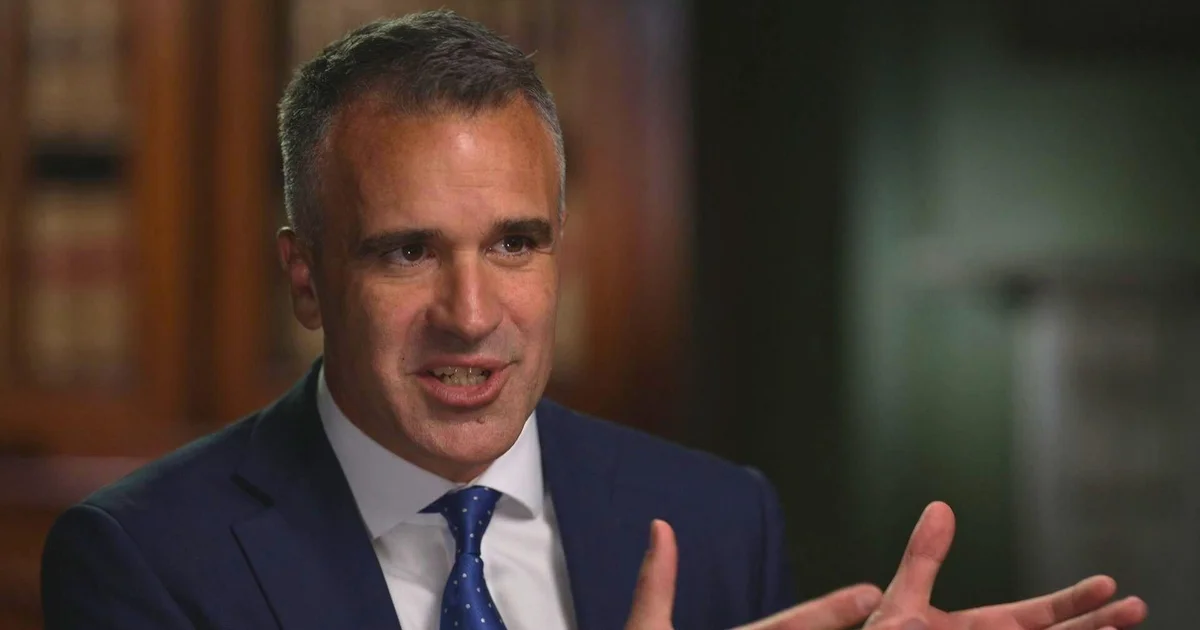
The ban was championed by Peter Malinauskas, premier of South Australia, after his wife, Annabel West, raised concerns that parents were losing control of their children’s phone use.
Mr Malinauskas said the aim was to intervene before social media became central to the way teenagers communicated. “Trying to get in early to stop it before the rot sets in was part of the objective,” he said.
The law has attracted support from the majority of Australians and was adopted by the national government with bipartisan backing. Mr Malinauskas acknowledged that some children would find ways around the restrictions, but argued that a legal age limit could still reduce use.
At St Ignatius school in South Australia, staff said the measures had helped some pupils enjoy a healthier childhood. The school’s principal said the goal was for young people to master technology rather than be mastered by it.
But the policy has also intensified debate over privacy, freedom of speech and access to information. Noah Jones, who was 15 when the ban came into force, said one platform used artificial intelligence to assess his face and concluded that he was old enough to keep his account.
On another platform, he said he simply created a new account using the same details but changed his birth date. Mr Jones is a witness in a legal challenge before Australia’s highest court, which argues that the legislation interferes with political communication.
“Social media is the modern town square,” he said, arguing that blocking young people from it could leave them at a disadvantage.
The case for the ban has been strengthened by accounts of harm linked to social media. Wayne Holdsworth has spoken in more than 100 Australian schools since his teenage son, Mac, was blackmailed after sending an intimate image to someone he believed was an 18-year-old woman. The person was later discovered to be a man in his 40s.
Mr Holdsworth said the image was shared with his son’s friends and family, and that Mac later died by suicide. He believes governments have a duty to protect children from technology companies.
Technology firms have rejected suggestions that they are failing to protect young users. Meta said it was complying with the Australian law but argued that blanket bans were ineffective and could push teenagers towards less regulated parts of the internet.
Snap said it was taking the legislation seriously and rejected claims that its service was designed to addict children or put profit before safety. TikTok said safety was central to its platform.
Ms Inman Grant said companies had spent more time lobbying governments against Australia’s approach than implementing the technology needed to comply with it. She said reputational damage could prove a greater incentive than financial penalties.
Australia’s experiment is now being watched internationally. Similar measures are being considered in Norway, Spain and Canada, while the UK’s law is expected to come into force next year.
