


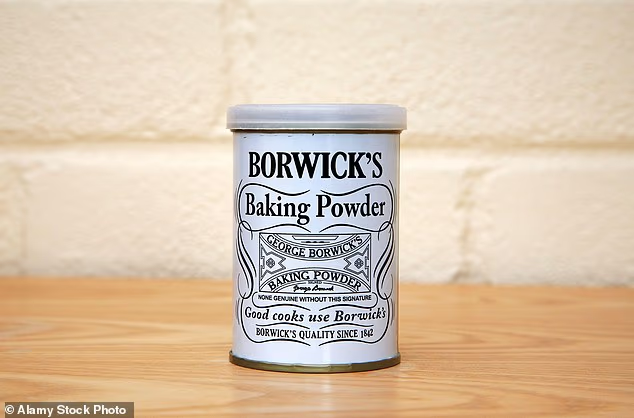
Baking soda may be linked to a substantially lower risk of dementia, according to US researchers who have called for further investigation into the everyday ingredient’s possible effects on cognitive function.
Researchers at the University of Pennsylvania found that people with mild cognitive impairment who were taking sodium bicarbonate were 51 per cent less likely to receive a diagnosis of dementia, including Alzheimer’s disease.
The analysis examined the health records of 122,000 people aged over 50 who had already experienced memory problems that can sometimes precede dementia.
Sodium bicarbonate is used on the NHS as a low-cost treatment for acid-related problems in people with advanced kidney disease. The researchers believe its effect on acid levels in the blood could potentially influence brain function.
The findings, published in the journal eBioMedicine, followed smaller assessments in which kidney patients taking baking soda appeared to perform better in memory tests.
The University of Pennsylvania team identified 20 commonly used medicines that appeared to offer some protection against dementia, including steroids and painkillers. However, the researchers said more work was needed to establish whether sodium bicarbonate had a direct effect on cognitive decline.
Calls for clinical trials on baking soda and dementia
Dr Richard Oakley, of the Alzheimer’s Society, described drug repurposing as “an exciting area of research”.
But he warned that the study did not prove that baking soda could prevent or treat dementia, adding: “We would strongly advise people not to take baking soda for this purpose.”
Dr Oakley said “robust clinical trials” were required to determine its true impact.
Almost one million people in Britain are living with dementia, and the number is projected to rise to 1.4 million by 2040. The NHS currently has no treatment that can prevent the disease from developing, increasing interest in whether existing medicines could provide affordable new options.
Separately, trials are examining whether the NHS shingles vaccine could reduce the risk of dementia. A study by Stanford University last year suggested the jab might cut the chances of developing the condition by up to 20 per cent.
