


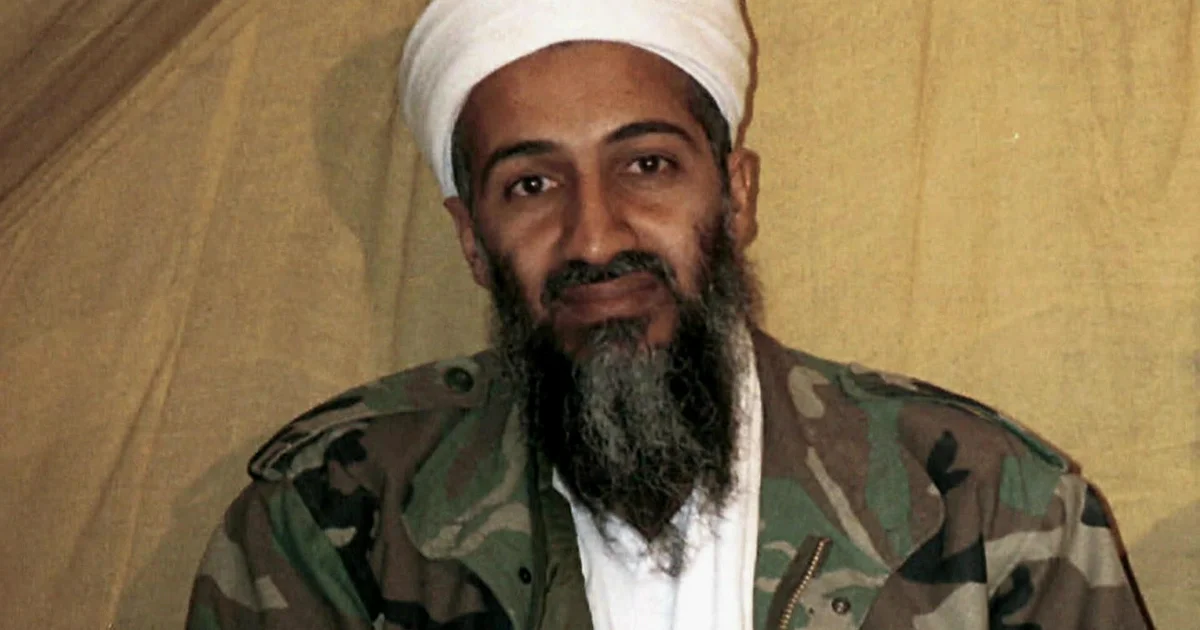
Documents seized from Osama bin Laden’s compound in Pakistan offered Ali Soufan, the FBI’s lead investigator of al Qaeda after the September 11 attacks, an unusually detailed view of how the terrorist network operated, including the group leader’s handwritten will.
Soufan spent years examining the material recovered during the US raid on the compound in Abbottabad on May 2, 2011, when Navy SEALs killed bin Laden. The haul included letters, notebooks, computer files and other records from the hideout where the al Qaeda leader had been living in secret.
Among the papers was a handwritten account setting out the distribution of bin Laden’s assets. The will referred to holdings worth about $29 million and instructed that much of the money should be used in what he described as fighting in the cause of Allah.
US intelligence officials have said the documents also contained instructions on how militants should evade drone strikes, including advice to travel during cloudy weather. Other correspondence urged al Qaeda to focus future attacks on the United States rather than Britain and to consider targets beyond aircraft.
What the bin Laden documents revealed about al Qaeda
For Soufan, the papers showed that bin Laden remained closely involved in the running of al Qaeda while hiding from US forces. His correspondence suggested he was attempting to direct the organisation and its affiliates, rather than simply retreating from operational matters.
The material did not provide a definitive account of al Qaeda’s next planned attack, but it exposed the internal tensions, priorities and methods of a terrorist organisation that had previously been viewed largely through its public statements and propaganda.
The documents were gradually declassified by the US government after the raid. The Defence Intelligence Agency said the Abbottabad material included plans for further attacks in the United States, including plots linked to the anniversary of September 11 and the Christmas holiday.
Soufan’s analysis helped turn a vast and fragmented collection of seized records into a picture of al Qaeda’s leadership, finances and ambitions during bin Laden’s final years.
