


Brent crude moved towards $100 a barrel on Wednesday, 9 September, as renewed fighting in the Middle East heightened fears of further disruption to oil supplies. The rise unsettled Asian markets, although the yen strengthened against the dollar in defiance of the usual relationship between higher energy prices and Japan’s import-dependent economy.
Brent futures rose by more than $1 in early trading to around $99 a barrel, having briefly reached $99.46 on Tuesday before settling at $97.92. Prices have climbed sharply since the start of August as hopes of a lasting resolution to the six-month-old conflict have faded.
The latest escalation followed US strikes on Iranian oil tankers and a retaliatory missile attack by Iran on a base used by American forces near Al Azraq in Jordan. Iran’s Revolutionary Guard also said it had attacked ships, while Iran-aligned Houthi forces targeted Saudi cities and energy infrastructure.
The violence has added to concerns about the security of oil routes through the Gulf and the Red Sea. Analysts at ING said the market was likely to continue building in a sizeable risk premium while the regional conflict remained unresolved.
Rising crude prices have weighed on risk appetite across Asia, particularly outside the technology sector. South Korea’s KOSPI nevertheless gained more than 2%, helped by a rise of over 4% in chipmaker SK Hynix.
Japanese cable manufacturers Furukawa Electric and Fujikura also surged after Verizon and Corning announced a multi-billion-dollar agreement covering more than 80 million miles of high-density optical fibre between 2027 and 2032. The deal is intended to support broadband expansion and the infrastructure required by artificial-intelligence data centres.
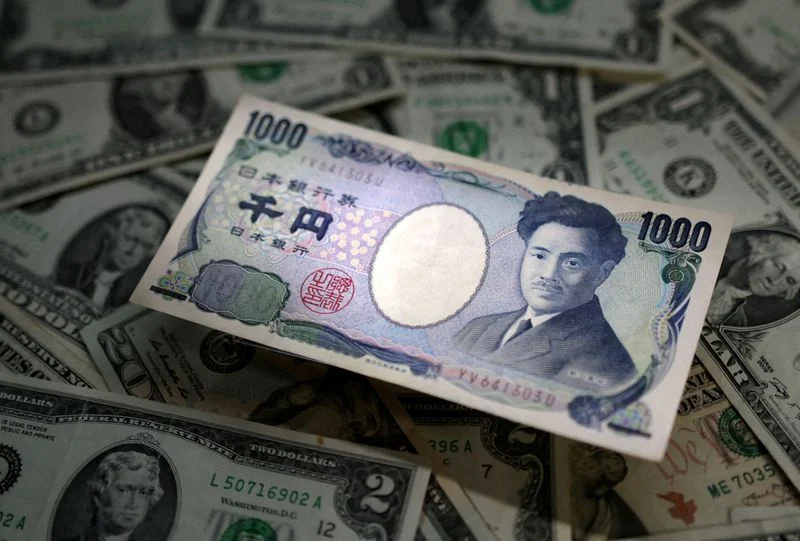
The gains helped keep the Nikkei in positive territory despite the yen’s advance, which would normally put pressure on Japan’s export-heavy companies. The currency moved back towards Tuesday’s high of 152.89 yen to the dollar, with traders attributing the rally to expectations of faster Bank of Japan rate rises and the unwinding of heavily crowded short positions.
The yen’s rise gathered pace after comments from US Treasury Secretary Scott Bessent and speculation that Japanese investors could bring money held overseas back into domestic bonds. Stop-loss orders then accelerated the move, with algorithmic trading adding to the buying pressure.
Markets are now watching the yen’s year-to-date high near 152, although some analysts believe the currency has strengthened too far and could retreat towards 155. A quarter-point increase at the Bank of Japan’s next policy meeting, scheduled for 17 and 18 September, is largely reflected in prices; investors will focus on signals about the pace of any further tightening.
The oil market’s next test will be whether Brent can sustain a move above $100. Such a rise would revive concerns over inflation just as investors assess upcoming interest-rate decisions and fresh US price data.
