


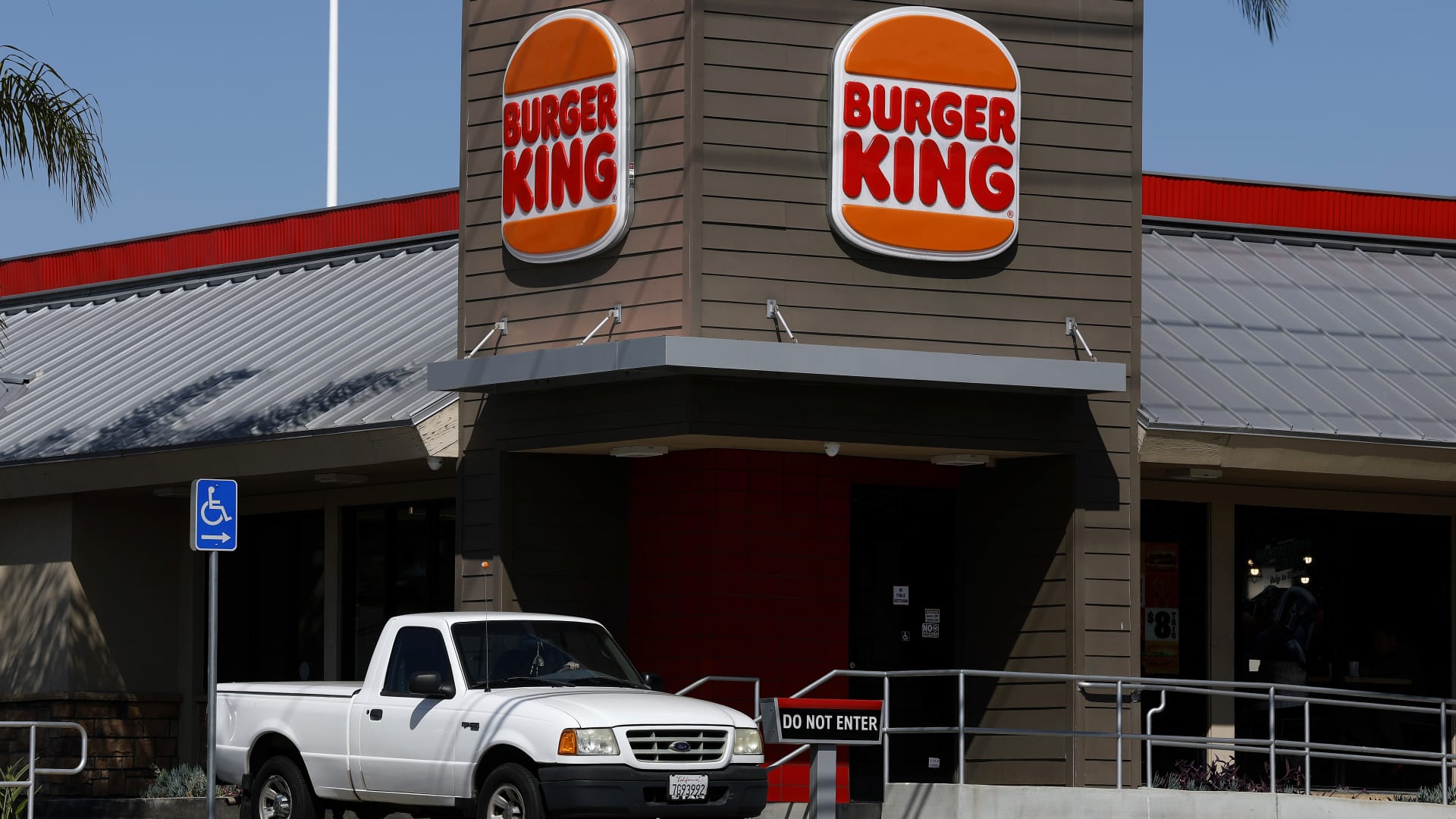
Burger King is accelerating its US comeback by selling company-owned restaurants to local franchisees, with about 200 locations expected to change hands by the end of 2026.
The strategy is central to a wider turnaround by parent company Restaurant Brands International, which has focused on improving marketing, food quality and restaurant design since late 2022. Burger King has recently overtaken Wendy’s to become the second-largest burger chain in the US by system sales.
The company ultimately aims to retain about 300 company-operated restaurants, leaving franchisees to run the rest of its more than 6,000 US locations.
Restaurant Brands bought Burger King’s largest US franchisee, Carrols Restaurant Group, for roughly $1 billion in 2024. The deal added 1,023 company-owned restaurants to the 175 locations already held by Restaurant Brands, many of which had been acquired during franchisee bankruptcy sales.
Those restaurants were always intended to be sold back to operators. The shift is designed to generate cash for Restaurant Brands while creating a more asset-light business in which franchisees take responsibility for the day-to-day performance and investment of individual sites.
Burger King refranchising puts focus on local operators
The process has taken longer than first expected. Burger King initially planned to sell about 300 restaurants in 2026, but US president Tom Curtis now expects roughly 200 to be refranchised this year.
A key constraint is the company’s effort to select operators it believes are capable of running successful restaurants. Curtis said Burger King was placing greater emphasis on franchisees who lived and worked in the communities they served, rather than relying primarily on large, private equity-backed groups.
“A franchising contract is 20 years. The average marriage in the U.S. is 8.2. So you got to get it right,” Curtis said.
Jeremy Kline, who began his career as a Taco Bell crew member and later became Burger King North America’s director of franchising, has become one of the new operators. He bought 16 restaurants in the Salt Lake City area in February and moved from Miami to run them.
Kline said he had spent two years trying to sell the same restaurants before deciding to acquire them himself. The sites had previously been operated by Meridian Restaurants Unlimited, once one of Burger King’s largest franchisees, before it sought bankruptcy protection in 2023.
Burger King is also trying to help restaurant managers and other employees become franchisees through its Crown Your Career programme, which assists with funding and financing. Curtis said the company wanted operators with substantial equity in their businesses and a long-term outlook.
“It really needs to be a great story of a company with a great operator who’s significant equity in the business, who has a long-term outlook, not a five-year plan,” he said.
Franchisee profitability at the centre of turnaround
The approach draws on the experience of Curtis and Restaurant Brands executive chair Patrick Doyle, who previously worked together at Domino’s. Curtis was a Domino’s franchisee for about two decades, while Doyle helped lead the pizza chain’s turnaround as chief executive.
Burger King has adopted a similar emphasis on the financial health of its operators, arguing that stronger franchisee profits should support continued investment in restaurants. “Everything that we’re doing is based around franchisee profitability,” Kline said.
The chain’s domestic performance has shown signs of improvement. Burger King reported US same-store sales growth of 8.5% in its latest quarter, compared with 0.8% for McDonald’s, while Restaurant Brands’ shares have risen about 6% over the past year.
New and existing operators are already working to improve individual restaurants. CKJ Management bought 20 Burger King locations in Florida in July 2025 and reported a 21% year-on-year increase in sales and a 16% rise in traffic across its market.
Kevin Haas, who has been a Burger King franchisee for 40 years, bought three former Carrols restaurants with his wife, taking their business to 15 locations. He said the chain’s recent progress had given him the financial means to expand.
The company is committing more than $1 billion to modernise its restaurants through refurbishments, equipment, technology and building improvements. Restaurant Brands wants between 85% and 90% of Burger King’s US sites to meet its modern design standards by the end of 2028.
