


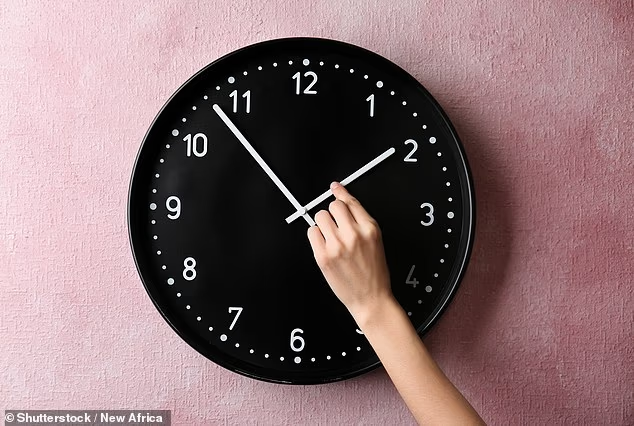
Millions of people across Britain will gain an extra hour in bed when the clocks go back at 2am on Sunday, marking the end of British Summer Time and the return to Greenwich Mean Time.
The change means the time will move back by one hour, shifting daylight from the evening into the morning as the winter months begin.
Clocks will move forward again next year on Sunday, March 28, when British Summer Time returns and the days begin to lengthen.
Most internet-connected devices will update automatically, provided they are connected through 5G or Wi-Fi. Traditional clocks and watches will need to be adjusted manually.
The twice-yearly ritual has been part of British life for generations, although the practice is little more than a century old. Campaigners have repeatedly called for the clock changes to be scrapped.
The origins of changing the clocks
The idea was championed in Edwardian Britain by William Willett, who published a pamphlet titled The Waste Of Daylight in 1907.
Willett, a keen horse rider and outdoor enthusiast, argued that valuable daylight was being lost while people slept through bright summer mornings. He proposed advancing the clocks during summer so lighter evenings could be enjoyed after work.
His proposals met sustained opposition in Parliament, with legislation rejected five times between 1908 and 1916.
The debate changed during the First World War, when Germany introduced daylight saving in April 1916 in an effort to conserve fuel and improve wartime productivity.
Britain followed soon afterwards, passing the Summer Time Act in May 1916. The clocks were advanced by one hour for the first time on May 21 that year and put back on October 1.
Willett died in 1915, a year before the system was introduced in the UK.
Opponents of the modern clock changes say moving the time twice a year disrupts sleep, affects the body’s natural clock and creates unnecessary inconvenience. The British Sleep Society has supported ending the seasonal changes, citing concerns over sleep and circadian rhythms.
