


A new study exploring parasocial relationships and fear of missing out around Taylor Swift finds that fans’ intense one-sided bonds with the pop star, coupled with FoMO, are strong predictors of whether they will attend her concerts or watch related films. The research underscores how a sense of social belonging can drive large-scale consumer behaviour.
A parasocial relationship describes a one-sided emotional bond where an audience member feels close to a media figure who reciprocates little to no personal knowledge of the individual fan. In Swift’s case, the researchers note, these bonds have been developed over years of interaction with followers online and through personal detail woven into her music, creating a sense that fans truly know her.
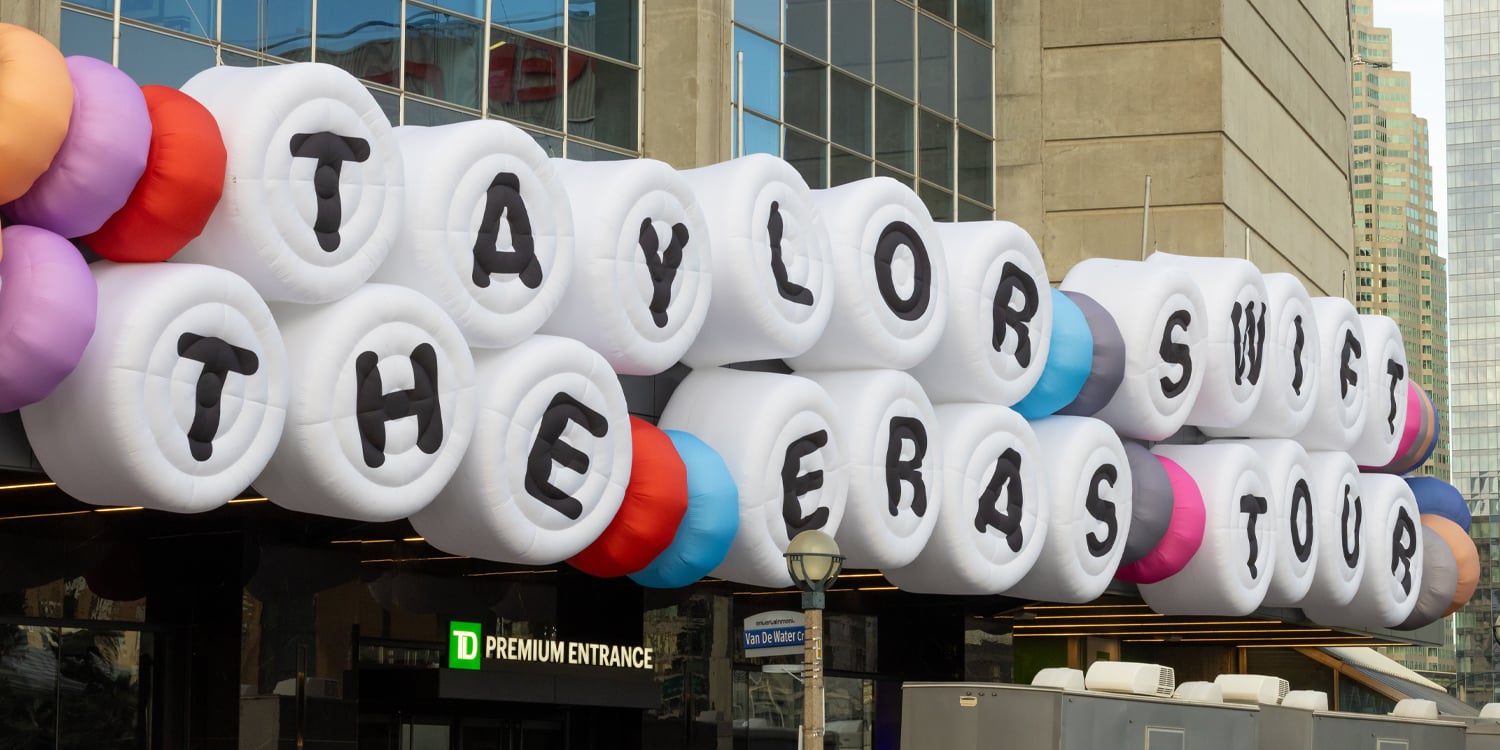
Swift’s Eras Tour is cited as a case study in these dynamics. The study notes that the tour’s explosive ticket sales—selling over two million tickets in a single day—were leveraged by Swift to align herself with her fans, strengthening their perceived bond.
The study distinguishes between trait fear of missing out, a long-standing personality characteristic, and state FoMO, a temporary anxiety triggered by a specific event. Both forms were examined to understand their roles in media consumption and attendance patterns.
Researchers anchored their work in Self-Determination Theory, which posits that people are motivated by relatedness—the need to feel connected to others. In entertainment, this can manifest as watching particular media to bond with a celebrity or join a fan community.
Led by Lindsey Conlin Maxwell and Caroline Neese of the University of Southern Mississippi, with Alec C. Tefertiller of Baylor University, the team used Taylor Swift and her wildly successful Eras Tour as an ideal testing ground. They sought to determine whether long-term personality traits could predict parasocial bonds and whether those bonds, in turn, predicted ticket purchases for concerts and films.
The national survey took place during the opening weekend of the concert film Taylor Swift: The Eras Tour in October 2023. The researchers recruited 303 adults in the United States via an online platform. Respondents answered questions designed to measure baseline personality traits, current feelings about the film’s release, and their perceived relationship with Swift.
Participants were asked to rate general agreement with statements about missing out on rewarding experiences, capturing trait-level anxieties, and to answer questions about whether they feared others would enjoy watching the film more than they did, capturing state anxiety. The questionnaire also gauged the depth of participants’ parasocial relationship with Swift and recorded actual behaviours regarding concert and film attendance.
The data showed that trait FoMO was a strong predictor of the strength of parasocial bonds with Swift, explaining roughly a third of the variation in how intensely people felt connected to the singer. Fans who regularly worry about social experiences being rewarding but out of reach appear highly motivated to form imaginary bonds with media figures to ease that worry.
Both the parasocial bond and the trait anxiety measured in the survey predicted concert-related behaviours. As parasocial scores rose, respondents were nearly twice as likely to have attempted to buy Eras Tour tickets, and more likely to have attended a live stadium show.
Similar patterns emerged for the concert film. High levels of baseline FoMO and a strong perceived relationship with Swift predicted whether someone had seen the film during opening weekend, and whether they planned to see it in theatres later or on streaming platforms.
One notable finding concerned temporary, event-specific anxiety. The researchers tested whether attending the live Eras Tour would reduce anxiety about missing out on the film, but the data showed the opposite: those who had already attended the live concert experienced higher levels of temporary anxiety about missing out on the movie, and were more likely to want to see the theatrical release.
The study’s authors suggest that a parasocial relationship can become so potent that fans seek repeated positive experiences with the celebrity to maintain the bond. The sense of relatedness created by participating in large-scale events helps sustain the fan community’s enthusiasm, a phenomenon described as collective effervescence, which may drive ongoing demand.
The attempt to recreate the concert experience in cinemas—via trading memorabilia and collective singing—is seen as a way for non-attending fans to participate in the cultural moment while preserving their parasocial ties and alleviating FoMO.
The researchers acknowledge several limitations. The sample was drawn from a convenience pool and allowed to self-select, with roughly two-thirds identifying as fans and a demographic skew toward women and white participants, potentially limiting broader applicability. The study relied on self-reported data, which supports predictive links but cannot establish causation; unmeasured variables may influence both personality traits and purchasing behaviour.
Future work could examine how fans form interpersonal relationships with one another through shared parasocial ties to a single celebrity and how social media amplifies FoMO during major entertainment events. It could also measure the direct impact of shared euphoric experiences on fan engagement.
The study, It’s You and Me, There’s Nothing Like This: Parasocial Relationships, Fear of Missing Out, and How Fans Consume the Products in Taylor Swift’s Media Empire, was authored by Lindsey Conlin Maxwell, Alec C. Tefertiller, and Caroline Neese.
