


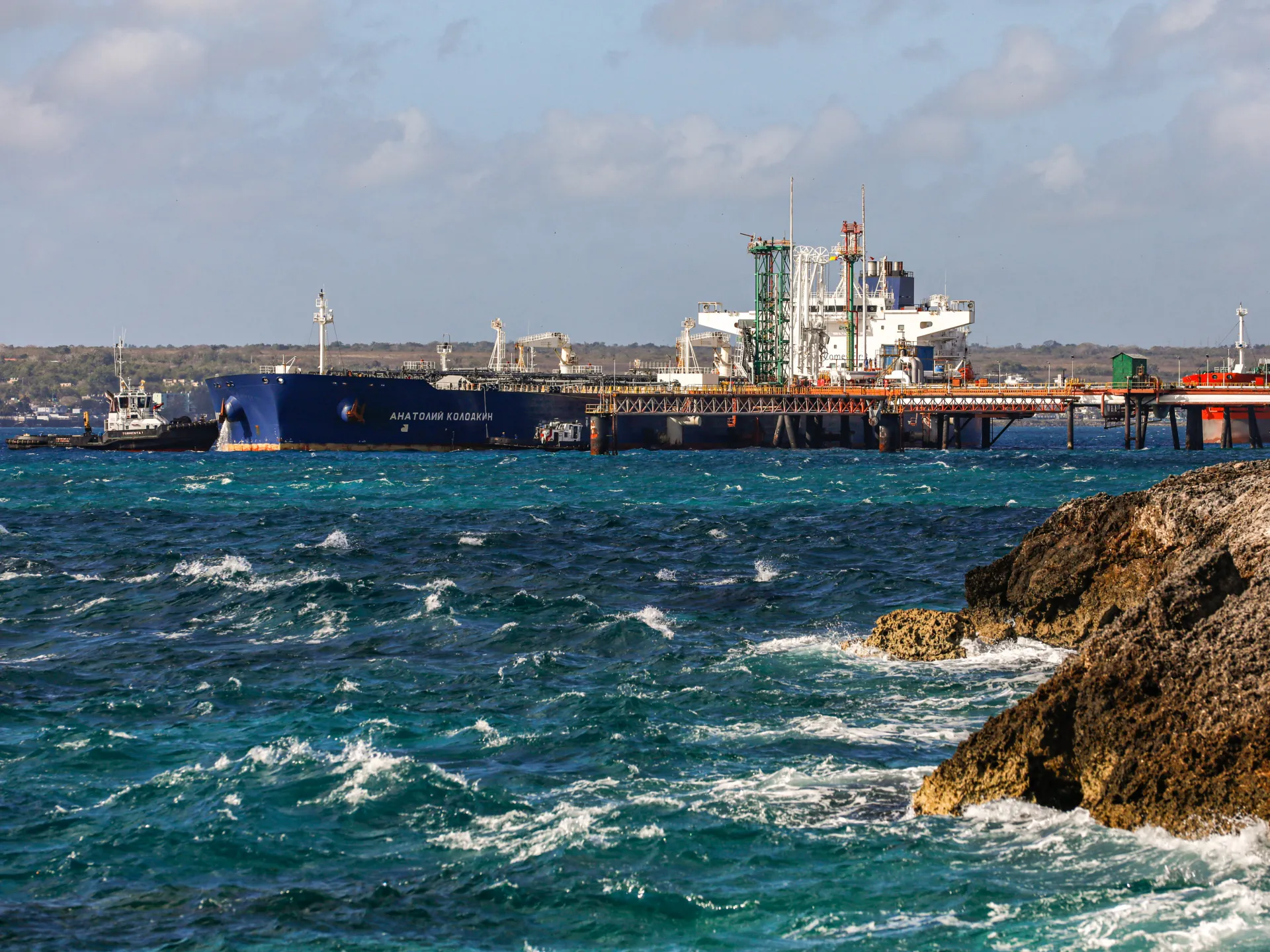
Cuba is pressing ahead with renewable energy plans as a de facto US oil blockade restricts fuel supplies and deepens pressure on the island’s economy, the country’s energy minister has said.
Vicente de la O Levy said Cuba was being forced to seek domestic alternatives to imported fuel, using solar power, wind, tides, Cuban crude oil and gas produced from its own wells.
“We are seeking our own alternative solutions, using our own resources, our sun, wind, tides, fuel, Cuban crude oil and the gas produced in our wells,” he said.
The minister said 144 solar farms, with a combined capacity of about 1,418 megawatts, had been installed in recent years. China has been the largest supplier of solar panels to Cuba, with shipments increasing since the blockade began in early January.
The pressure intensified after US President Donald Trump halted oil shipments from Venezuela, a close ally of Cuba’s government. Later that month, he announced heavy tariffs on countries exporting oil to Cuba, describing the island’s government as a “national security” threat.
Only one oil tanker from Russia has reached Havana since then, according to the report. The US has increased oil shipments to Cuba’s private sector but has largely barred fuel exports for nationalised industries.
Cuba’s state-run electricity grid relies heavily on fossil fuels and is widely regarded as antiquated. About 40 per cent of the country’s electricity comes from domestic oil production, while renewable sources accounted for nine per cent of total energy consumption in 2023.
Cuba’s renewable energy plans face fuel shortages
Mr de la O Levy acknowledged the scale of the difficulties facing the country, saying shortages of medicine, water and fuel had pushed Cuba towards a humanitarian crisis.
“We are surviving and moving forward, little by little, even if not at the pace we would like,” he said.
“We face long hours of blackouts and lack fuel for cooking and transportation. We lack fuel, but we are gradually making headway through our own solutions and our people.”
He said domestic crude oil production remained stable but was almost entirely being used by power stations. Oil supplies reaching private Cuban companies from the US, he added, were insufficient to meet the country’s needs.
“I would venture to say that the amount entering the country doesn’t even cover 3 percent of its fuel needs,” he said.
The Cuban government’s foreign minister, Bruno Rodriguez Parrilla, condemned the oil restrictions during a speech at the United Nations General Assembly last month. The United Nations and human rights watchdogs have criticised the blockade as a violation of international law.
“It is an unusual and unprecedented action,” Mr Rodriguez said. “A superpower unilaterally deprives all states of their right to export the commodities that they wish to the country that they wish.”
The US has maintained an economic embargo on Cuba for more than 60 years. Since returning to the presidency for a second term, Mr Trump has sought to intensify pressure on the Cuban economy as part of a “maximum pressure” campaign, with his administration indicating that it wants to topple the government.
US authorities said on October 7 that they had seized 90 biodiesel shipments worth more than $2.8 million which were destined for Cuba. Immigration and Customs Enforcement said the consignments were part of an attempt to export fuel unlawfully in breach of federal laws.
Mr de la O Levy denied that the Cuban government was connected to the shipments, saying: “No Cuban state-owned company has managed to secure a fuel contract, whether for small or large quantities.”
