


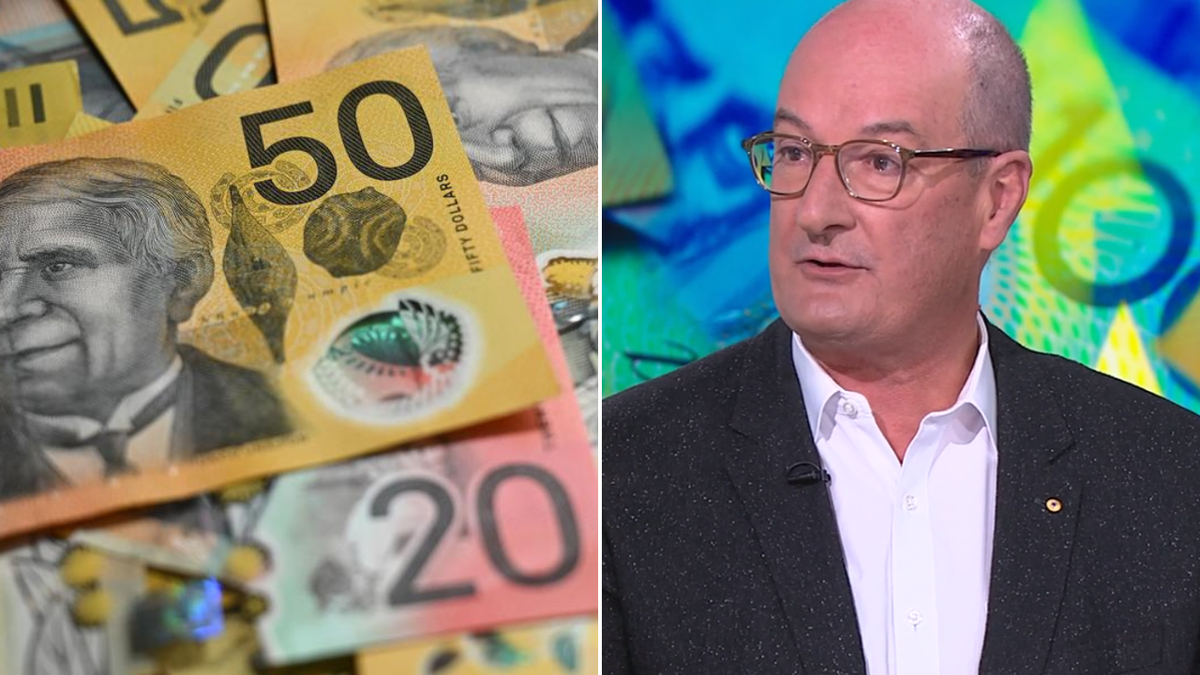
Economist David Koch has urged the Reserve Bank of Australia to look beyond household spending as it considers another interest rate rise, arguing that government expenditure is also contributing to inflation.
The Compare The Market economic director and former Sunrise host made the call after writing an open letter to RBA Governor Michele Bullock. The central bank is due to meet on September 29, with financial markets predicting a further increase after Ms Bullock warned that inflationary pressures were building.
Mr Koch said his intervention was intended to represent households that had already changed their behaviour after years of high inflation and elevated borrowing costs.
“Don’t keep punishing us for inflation,” he said.
“For years, you’ve told Australian households we’ve got to tighten our belts. We can’t keep fueling inflation.”
He said household spending and confidence had fallen, while some of the factors driving prices were outside consumers’ control.
“Australian households have done that. Spending is way down. Consumer sentiment way down. Business confidence way down,” Mr Koch said.
“We’re doing the right thing, but a lot of what’s driving inflation is beyond our control.”
He pointed to global oil prices, saying motorists were already facing higher costs at the petrol pump before any further increase in interest rates.
“We’re paying the equivalent of an increase in interest rates just at the pump,” he said. “And now we’re going to get a rate rise on top of that.”
David Koch calls for scrutiny of government spending
Mr Koch said governments should take greater responsibility for spending and for prices they control or influence, including health and childcare costs.
“Government spending and government pricing of health, childcare, all the things that they can influence,” he said.
He also raised concerns about government wages, council rates, state government charges and private health insurance premiums.
Mr Koch said the increase in government spending was adding demand to the economy and putting further pressure on prices. He said all levels of government should be considered, rather than attributing responsibility to a single political party.
“I’m not being political. It’s not one party or another. It’s all levels of government. States are probably the biggest to blame,” he said.
“We need to focus more on governments who are spending more than they did during the pandemic to keep us out of a depression.”
He called for spending to be reduced to prevent inflationary pressures from intensifying.
“Rein the spending back and take the inflation reheat out of it because we’re paying for it,” he said.
The RBA is considering whether another rate rise is needed to return inflation to its target range of 2 per cent to 3 per cent. Ms Bullock said the bank was monitoring risks including excess demand, elevated oil prices and inflation expectations, but did not indicate what the board would decide at its next meeting.
The cash rate is currently 4.35 per cent after three increases earlier this year.
