


Cornell University faculty are preparing to vote on a no-confidence resolution in the administration after a closed meeting in which President Michael Kotlikoff faced questions about the handling of sexual assault allegations.
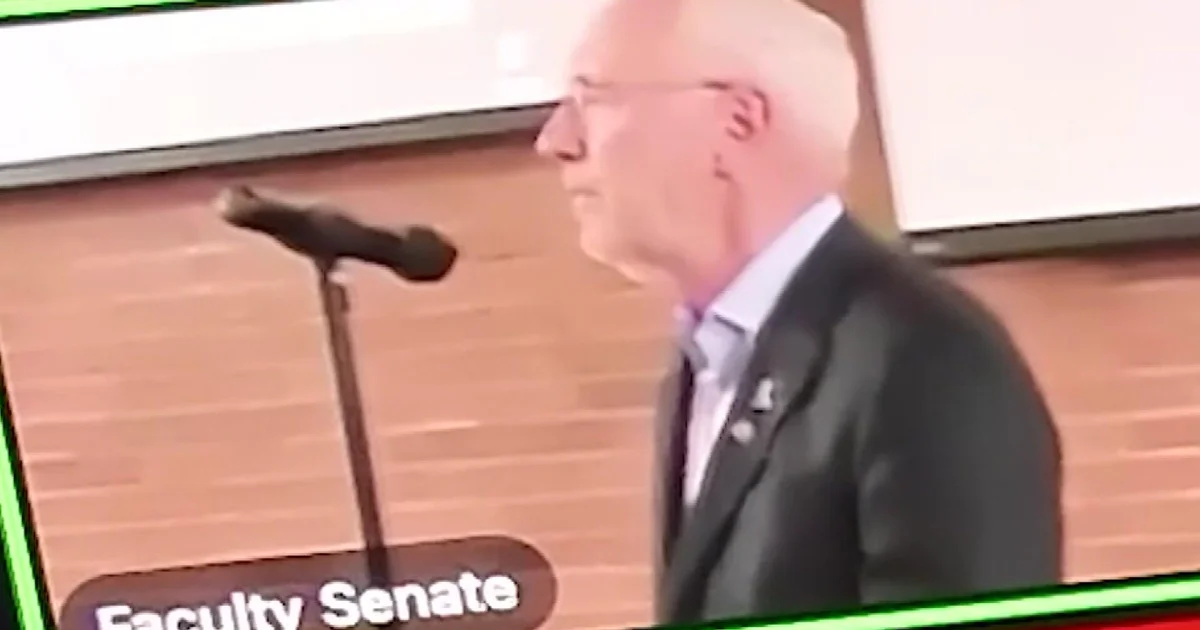
Video from Wednesday’s high-stakes faculty senate meeting shows Mr Kotlikoff being challenged over the scope of an independent investigation into the university’s response to sexual misconduct claims.
Asked whether the review would examine different types of assaults against men, women and children, and how far back it would go, Mr Kotlikoff said: “That is a board review. I don’t dictate that review. It’s an open review. It does have a very broad mandate. I don’t know how far back they’re going to go, frankly, but I will say that we’re open to anything they ask.”
The university announced earlier this month that Sally Yates, a former US deputy attorney general, would lead what it described as a “comprehensive independent review”. The inquiry will include its handling of a 2024 case in which a student reported being gang-raped at a fraternity house.
All seven men accused in that case have denied the allegations.
On Tuesday, Mr Kotlikoff announced plans for Cornell to work with New York State Police on an arrangement bringing in independent experts to investigate sexual assault allegations.
Faculty members also raised wider concerns about academic freedom and student expression during the meeting.
One speaker told the president: “We’ve seen this administration suppress our academic freedom, as well as our students’ voices over the past few years.”
When Mr Kotlikoff asked what academic speech had been restricted, the speaker replied: “Since 2023, the administration has punished over 80 students for nonviolent speech.”
Cornell faculty no-confidence vote
The meeting was closed to reporters and Cornell said cameras were not permitted because their presence could inhibit debate. A further meeting is due to take place on October 28, after which faculty members will have about a week to submit their votes on the no-confidence resolution.
Some faculty members have said the 2024 case was only one of several incidents, claiming that current and former students had shared experiences of sexual assault but were too afraid to report them.
