


Spirit Halloween may disappear from high streets after October, but the seasonal retailer operates throughout the year, preparing about 1,600 stores and tens of thousands of staff for its next trading season.
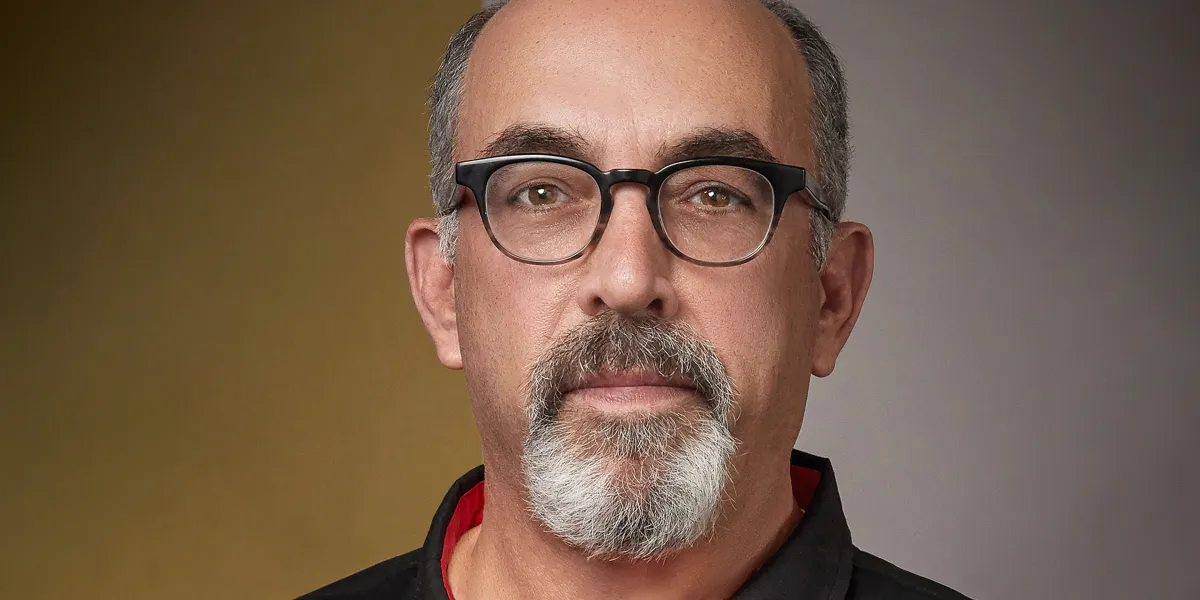
Steven Silverstein, chief executive of Spencer Spirit Holdings, said the company’s shops are open for only eight to 10 weeks annually, while the work behind them continues all year.
“There’s nothing temporary about a temporary store,” he said. “We are 24/7, 365 Halloween, and you just don’t see it.”
Silverstein joined Spencer’s in 2003, when Spirit had 130 stores across the US. The company now operates roughly 1,600 locations each year, while Spencer Spirit Holdings has recently expanded through the purchase of Hot Topic, BoxLunch and Her Universe.
The acquisition, completed in early September, gives the group more than 3,000 stores across North America. Hot Topic has more than 615 shops and BoxLunch more than 280, with both businesses retaining their California headquarters and operating independently.
How Spirit Halloween builds its temporary stores
Planning for the next Halloween begins before the current shops have closed. Spirit starts looking for premises in March and April, targeting vacant buildings in prominent locations rather than simply choosing any available space.
The company takes short leases lasting only for the period its stores are open. Silverstein said landlords are paid a lump sum for space that might otherwise generate no income.
“We’re the empty seat on the airplane,” he said. “If we don’t go in there, the landlord is not going to generate any revenue.”
About 100 Spirit shops this autumn occupy former Party City premises. Party City, once a major rival, closed its nearly 700 stores by the end of February 2025 after filing for bankruptcy for a second time.
Spirit’s merchandise is then distributed through a network designed to create thousands of shops at once. Around 75% to 80% of its products are designed, developed and sourced by the company, mainly in Asia.
Goods begin shipping in April to four or five distribution centres in North America. They are sorted into groups for individual stores before being sent to 63 third-party logistics sites, each of which prepares stock for between 25 and 30 locations.
“They’re literally virtually creating a store,” Silverstein said. “If you imagine 1,600 stores happening all at the same time, it’s like a web of activity.”
The entertainment behind the Halloween retailer
Silverstein said Spirit’s aim is not simply to sell costumes but to make its shops destinations in their own right. The approach was influenced by his time at Bloomingdale’s, where he said former chief executive Marvin Traub placed retail entertainment at the centre of the business.
He saw the idea take shape in 2005 after visiting a Spirit shop in Chicago. A manager had built a pirate ship in the middle of the store, complete with a skeleton, moving fabric and flickering lights.
That display led to the company’s In Store Experience, with new themes introduced each year. This year’s setting is a haunted summer camp called Camp Harbor Lake.
Spirit employs more than 52,000 seasonal workers, many of whom return annually. Silverstein said the company’s structure puts shop-floor staff at the centre, with much of the behind-the-scenes work focused on making the complex set-up straightforward for temporary employees to run.
“We know that our front line is the most important part of our business,” he said. “It’s not about a top-down driven organization.”
The chain has also become a fixture of popular culture, appearing in memes and a Saturday Night Live sketch during the programme’s 50th anniversary season. Spirit responded to the sketch with a costume based on a 50-year-old comedy show, while its other contribution to the trend was a costume depicting a Spirit Halloween shop.
Silverstein said the company relies relatively little on traditional advertising, instead using its shopfronts, online presence and partnerships with brands including Dunkin’, Butterfinger, Chipotle and Goodyear.
“We don’t sell anything anybody needs. We only sell things you have to have,” he said. “It’s based on wants, not needs.”
He said the same emphasis on entertainment would guide the group’s ownership of Hot Topic, which has shifted from its earlier focus on band T-shirts and alternative fashion towards anime, gaming and wider pop-culture merchandise.
“Hot Topic is the best at really talking to the fans of their properties,” Silverstein said. “They are in the zeitgeist when it comes to talking about what’s going on in pop culture. I’m entertaining you.”
