


Illinois lawmakers are considering a proposal that could give Chicago voters a direct say over how City Hall operates and whether the city should adopt its own charter.
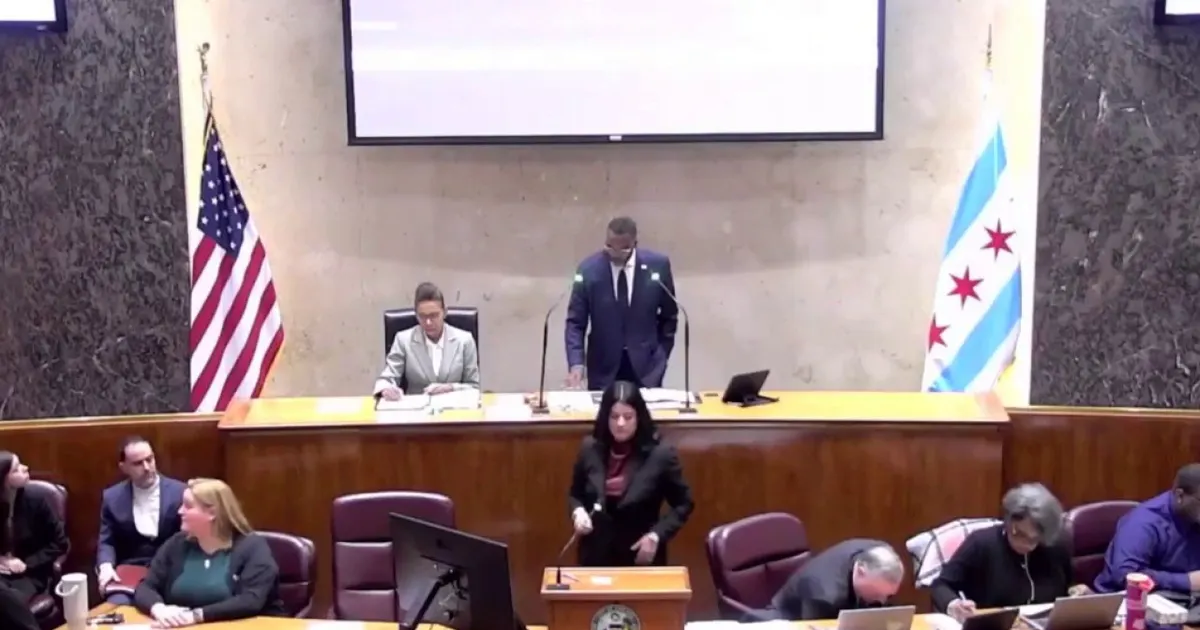
State Representative Kam Buckner’s Municipal Home Rule Charter Act was discussed at a hearing in Chicago on Tuesday. The measure would create a process for residents to help draw up a constitution-style document governing the mayor, City Council and other parts of municipal government.
Under the proposal, a commission of 10 members would be elected by Chicago voters in a non-partisan contest. The commission would then prepare a charter for consideration at a later election, rather than imposing a new system of government from Springfield.
Buckner said the plan was intended to give Chicagoans control over the debate.
“This is not Springfield telling Chicago this is the type of government you need to have,” he said. “What this does is give Chicagoans an opportunity to have a voice in the process.”
What a Chicago city charter could change
Supporters say a charter could set clearer rules for the balance of power between the mayor and aldermen, while addressing issues including term limits, access to financial records and the drawing of ward boundaries.
It could also establish more defined procedures for the City Council and place existing practices on a clearer legal footing. The proposal is not itself a decision on how power should be divided; that would be left to the charter commission and, ultimately, voters.
The legislation would apply to home-rule municipalities with populations of more than 500,000. A qualifying city would need the approval of two-thirds of its legislative body to establish a charter commission.
Any charter produced by the commission would then be put to voters. The bill provides that it would require at least 60 per cent approval to take effect.
Buckner said the measure was not aimed at any particular mayor or City Council, but at creating a formal opportunity to reconsider the way Chicago is governed.
The proposal follows long-standing debate over whether Chicago’s governmental structure is too dependent on state law, local ordinances and established practice, rather than being set out in a single governing document.
The legislation is expected to return to the Illinois General Assembly in January. It would still need to clear the legislature before Chicago could begin the process of creating a charter.
