


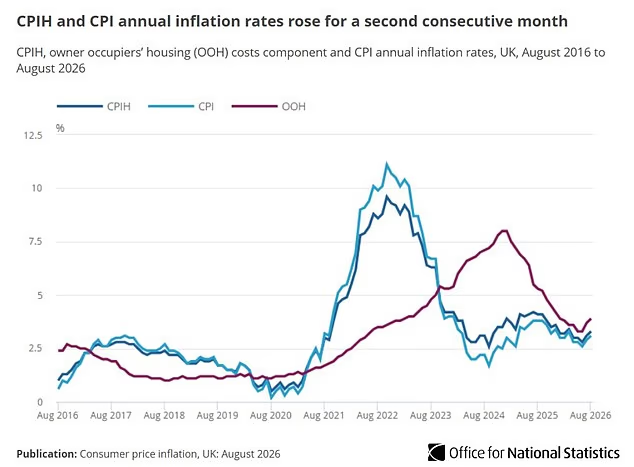
UK inflation has risen to 3.1 per cent, increasing pressure on households and the Government as higher oil and gas prices threaten to drive costs up further in the months ahead.
The Consumer Prices Index measure climbed from 2.9 per cent in July to 3.1 per cent in the year to August, in line with economists’ expectations. However, analysts warned that the increase could mark the beginning of a sharper rise linked to turmoil in the Middle East.
Brent crude was trading at $108 a barrel, while diesel prices had reached a four-year high. Energy bills could rise by a quarter in January, according to estimates cited in the figures’ analysis.
Some economists now expect inflation to reach 4 per cent next year, as the Bank of England considers how to prevent a prolonged rise in prices. The Monetary Policy Committee, which targets inflation of 2 per cent, is widely expected to leave interest rates at 3.75 per cent at its meeting tomorrow.
Transport costs were the main contributor to the latest increase. Grant Fitzner, chief economist at the Office for National Statistics, said sharp rises in petrol and diesel prices had pushed inflation higher, while air fares, particularly for long-haul journeys, had also increased.
He added that rising crude oil and petrol prices had lifted both the annual cost of raw materials and the prices of goods leaving factories.
Gas prices have also risen since a ceasefire deal between the United States and Iran collapsed on July 8. Core CPI, which excludes energy, food, alcohol and tobacco, remained unchanged at 2.6 per cent.
Inflation and the pressure on household bills
Speaking during a visit to McLaren’s factory in Woking, Andy Burnham said the inflationary pressure was being driven by the situation in the Middle East and was affecting markets around the world.
“With inflation where it is, and it is a concern, it’s more important that I do what I can to take the pressure off people from a cost of living point of view,” he said.
Mr Burnham said VAT would be removed from electricity bills in the coming weeks and pointed to action on bus fares as measures intended to provide help with household costs. He also described the British economy as resilient.
John Healey said the conflict in the Middle East was affecting inflation worldwide, including household bills, weekly shopping and petrol prices.
“We have taken early action to help families and businesses breathing space, by cutting tax on electricity bills, capping bus fares at £2 and lowering rates for pubs, social clubs and live music venues,” he said.
The figures came after separate data showed further weakening in the jobs market. Company payroll numbers fell by 26,000 last month and were down by 145,000 over the past year, while job vacancies reached a five-year low in the three months to August.
Private-sector regular wage growth stood at 2.9 per cent, leaving earnings only narrowly ahead of inflation.
Thomas Pugh, chief economist at RSM UK, said the August increase was “just the start of a new upward trend” as higher energy, food and memory chip prices moved through supply chains. He forecast inflation would peak at almost 4 per cent in early 2027 before falling back to 2 per cent in 2028.
Harvir Dhillon, lead economist at the British Retail Consortium, said retailers were facing a difficult trading environment, although food inflation had remained unchanged. He said the forthcoming Budget offered an opportunity to reduce cost pressures across the industry.
