


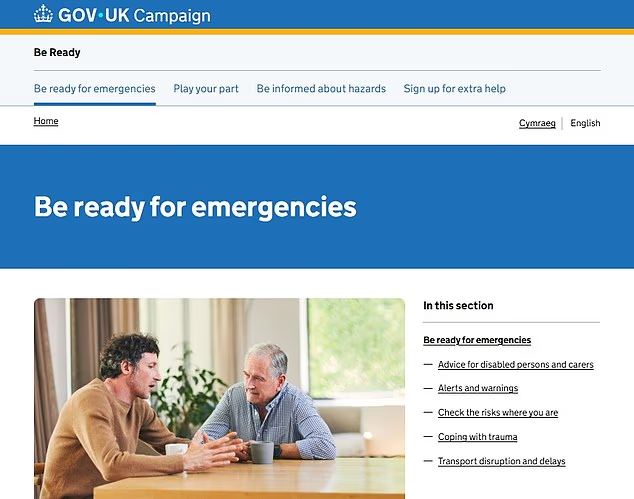
Households are being urged to prepare for a national crisis by keeping three days’ worth of food and water, cash and basic emergency equipment at home.
The advice forms part of a new Government “Be Ready” campaign, which says simple preparations could help families cope with wildfires, flooding, cyber attacks and disruption to essential services.
Defence Secretary Wes Streeting said people should consider how they would manage if hostile state actors or terrorists disrupted supply chains, power supplies or electronic payment systems.
“Everyone needs to do their bit,” he said, warning that households should be ready for “everyday challenges and threats” that could affect services such as local supermarkets.
What the Be Ready campaign recommends
The guidance recommends storing three litres of drinking water per person per day, with additional supplies for cooking and washing. Families are also advised to keep long-life food that does not need refrigeration or cooking, including tinned meat, fish and vegetables, dried fruit and nuts.
People are encouraged to choose food they would normally eat and build up supplies gradually during regular shopping trips. The stockpile should be checked every six months, with expired items replaced and provision made for changing household needs.
Blankets, sleeping bags and warm clothing are suggested in case homes become cold when the heating fails. Torches are recommended instead of candles because of the risk of fire, while a wind-up or battery-powered radio should be kept available for updates during an outage.
Households are also advised to keep a power bank for charging mobile devices and a mixture of coins and notes. The guidance says the amount of cash needed will depend on each family’s requirements if electronic payments or cash machines are disrupted.
Printed copies of important documents, including passports, birth certificates, insurance details and instructions for medical equipment, should also be kept safely.
Families with babies are told that ready-made formula may be preferable because it might not be possible to boil water safely to prepare powdered formula. People are asked to remember other essentials, such as medical supplies and pet food.
The campaign suggests preparing a spare bag with items that could be needed if residents were asked to leave home quickly. Drivers are advised to keep emergency supplies in their cars, including warm clothes, blankets, food and drink, a torch, a phone charger, high-visibility clothing, jump leads, a shovel and a first aid kit.
People are also encouraged to discuss possible support with neighbours and exchange contact details, while ensuring supplies are shared where extra help may be needed.
Warnings over wider threats
The Government’s advice comes amid warnings from senior officials and military figures about the risks posed by sabotage and a possible attack by Russia, although the campaign also covers more routine emergencies such as severe storms.
The head of the Army, Sir Roly Walker, said last week that the Government needed to have a “frank conversation” with the public about preparing for war.
Security Minister Dan Jarvis said those who were able to follow the recommendations should do so, noting that similar advice had been issued in France, Ireland and the Netherlands.
“By taking simple steps to be ready for everyday emergencies like severe storms, people can reduce pressure on emergency services, helping them prioritise people who need more support in an emergency,” he said.
The campaign was launched with little public fanfare, months after the administration signalled that the initiative was planned. A radio and social media campaign is expected to promote the guidance in the coming weeks.
