


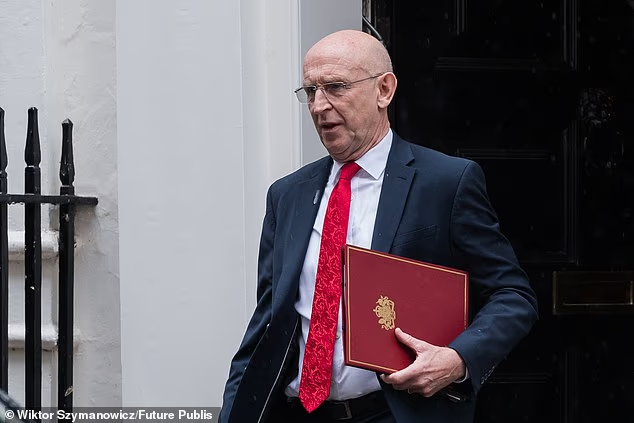
Pressure is mounting on Chancellor John Healey to raise taxes on wealth at the Budget, despite warnings from Conservatives and a former Treasury minister that the measures could reduce investment and ultimately bring in less money.
Millionaire eco-tycoon and Labour donor Dale Vince has proposed increasing Capital Gains Tax (CGT) and ending interest payments to commercial banks on deposits held with the Bank of England.
He said the changes could finance an increase in the personal tax allowance, putting more money into the pockets of millions of people. His proposals come as Mr Healey and Andy Burnham seek ways to balance the books and fund spending commitments.
The Chancellor is also understood to have lost much of the financial headroom available to meet his fiscal targets following the crisis in the Middle East.
Mr Vince has submitted plans for the October 28 Budget which would align CGT rates with income tax, taking the highest rate to 45 per cent. He claims the change could raise £14 billion.
Combined with ending the payments to commercial banks, he said the policy could allow the personal allowance to rise by about £3,000, to £15,570 a year. That would be just below the level it might have reached if the allowance had not been frozen in 2021.
Speaking on BBC Radio 4’s Today programme, Mr Vince said: “It will cost £20billion actually to restore the income tax freeze, which is really robbing people, particularly hard-working people.”
He added: “We pay interest to the banks every year totalling about £30billion, you know the banks that don’t really pay us any money for our deposits with them, we through the Bank of England pay them 4 per cent at the moment for the money that they’re sat on… £30billion, take that back, pay for the income tax allowance, and have £10billion in change.”
However, Treasury estimates indicate that increasing CGT by 10 percentage points would reduce revenues by £3.5 billion by 2028-29.
Kevin Hollinrake, the Conservative Party chairman, warned that raising the tax could discourage investment and harm the economy. “The clue is in the name – Capital Gains Tax – means gains on capital that you’ve invested and put at risk,” he said.
“Tax it as if there’s no risk involved and fewer people will invest. Bad for jobs, bad for the economy,” Mr Hollinrake added, saying the policy would also be “bad for tax receipts”.
He argued that investors could delay selling assets until a future government reduced CGT, describing the proposal as “utterly stupid sixth-form economics”.
Former Conservative Treasury minister David Gauke also questioned whether the proposals would deliver the sums claimed. He told BBC Radio 4: “Anything that sounds too good to be true is almost certainly too good to be true.”
Sir David said raising the money from the banking sector could have “a significant impact on competitiveness” and lending to small businesses.
He added that there was no easy answer, warning that the tax system was already heavily reliant on the very wealthy and that proposals suggesting ordinary people could remain unaffected were not credible.
The calls for wealth taxes follow demands from trade unions at last week’s TUC conference for ministers to raise more money from banks and high earners.
Mr Burnham has meanwhile been highlighting his commitment to helping people with the cost of living, as rising energy prices fuel inflation and the Bank of England prepares to increase interest rates for mortgage borrowers.
