


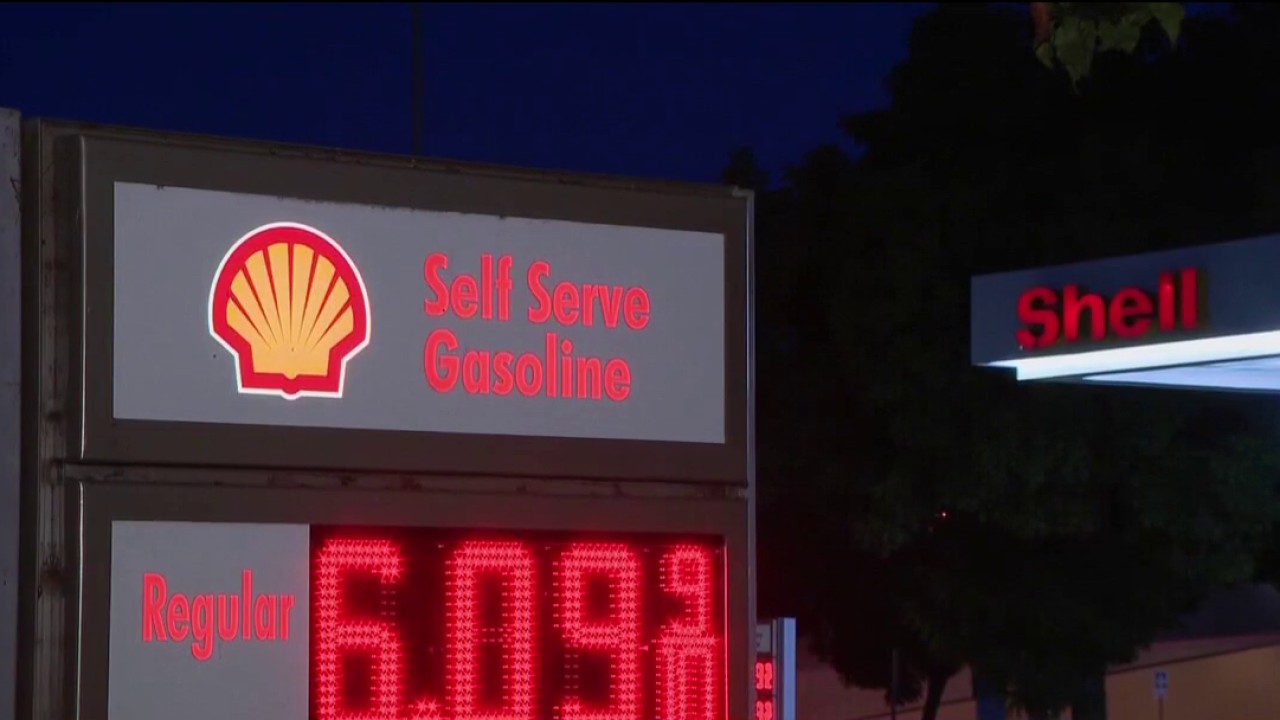
US lawmakers are weighing a diesel export ban as fuel prices climb to record levels, with President Donald Trump indicating that his administration is considering restrictions to ease pressure on American businesses and farmers.
The national average price of diesel reached $6.53 a gallon on Tuesday, according to AAA data — 77 per cent higher than a year earlier. The surge has increased costs for sectors including agriculture, haulage and construction.
Republican lawmakers from farming states have been among the most vocal supporters of the proposal. Senator Chuck Grassley of Iowa and Representative Ashley Hinson have called for American fuel to be kept in the domestic market, while Senator Dan Sullivan of Alaska has urged a temporary moratorium on exports until supplies through the Strait of Hormuz return to normal.
Two bills introduced in the House by Tennessee Republican Tim Burchett and Representative Clay Fuller would impose different forms of restriction. One would halt diesel exports until the end of 2026, while the other would trigger a ban after the national average price had remained above $5 a gallon for 14 consecutive days.
The legislation has been referred to the House Foreign Affairs Committee and has not yet been approved by Congress.
Supporters argue that restricting exports could increase supplies available to American consumers and help bring down prices. But energy analysts have warned that the measure could have the opposite effect by worsening shortages elsewhere and disrupting the economics of US refineries.
US refineries produce more diesel and other distillate fuels than the country uses domestically, but prices are influenced by international markets. Disruptions linked to the conflicts involving Iran and Russia have tightened global supplies, while Russia’s decision to restrict diesel exports has removed a major source of fuel from the market.
Patrick De Haan, an analyst at GasBuddy, told CBS News that an export ban was likely to backfire. He said refiners could respond by cutting diesel production or switching to other products, potentially reducing the domestic supply that the proposed policy is intended to protect.
The American Petroleum Institute has also opposed the idea, warning that restrictions would destabilise fuel markets in the US and abroad and add to the pressure on refiners. The debate comes as the Trump administration faces growing political pressure over household energy costs ahead of the November elections.
