


Frontier Airlines is to introduce first-class seats on its Airbus fleet next year as the US budget carrier adapts its ultra-low-cost model to a market increasingly drawn to premium travel.
The move, backed by chairman and airline investor Bill Franke, will be accompanied by the rollout of Starlink Wi-Fi as Frontier seeks to return to consistent profitability.
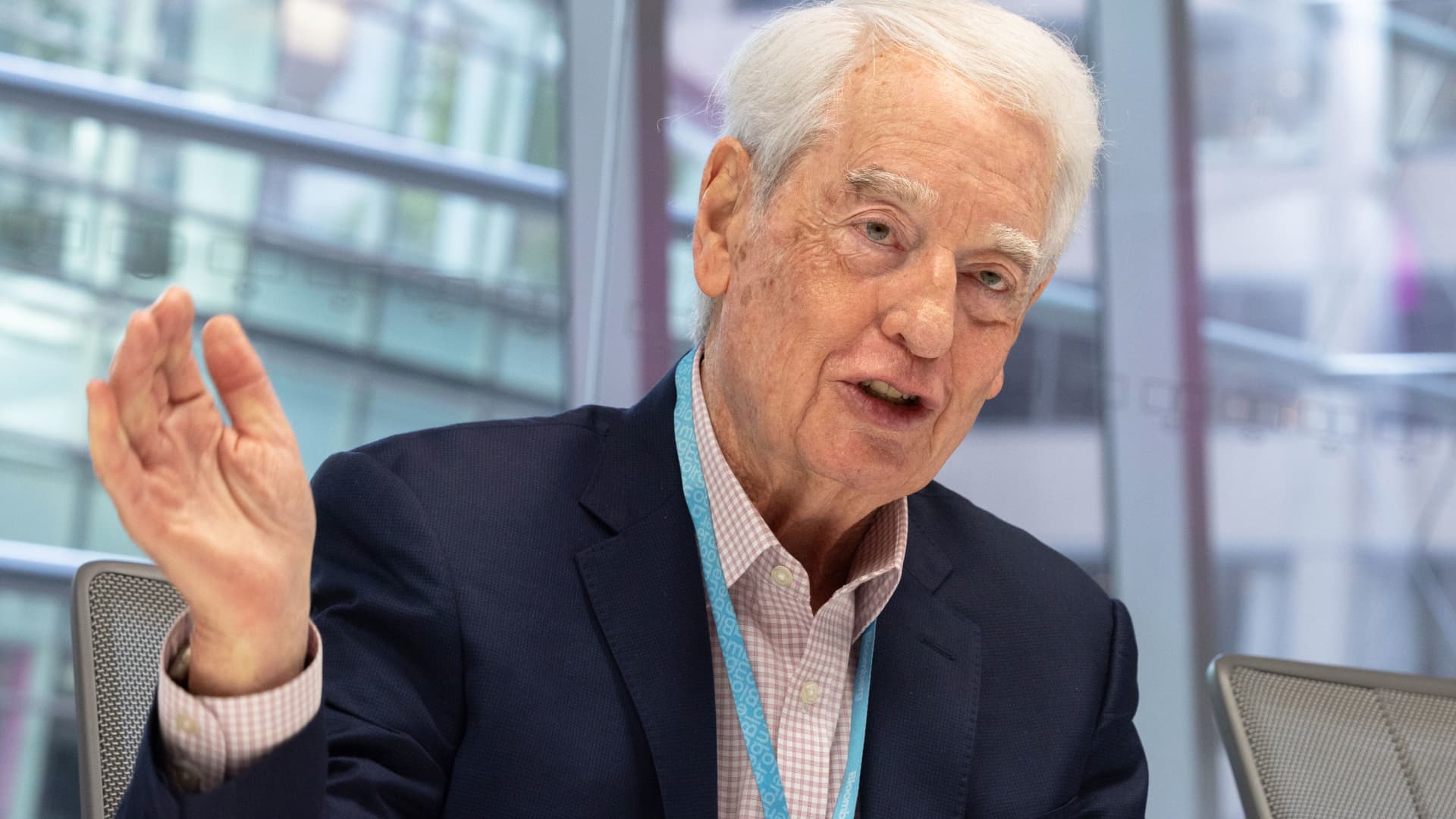
Franke, 89, said the new cabin would not attempt to rival the luxury offered by the world’s leading full-service airlines. “We’re not trying to have a Singapore Airlines first class,” he said. “What we’re trying to do is give the consumer an option.”
The changes mark a shift for the model Franke helped pioneer, which traditionally relied on keeping base fares low while charging passengers separately for checked bags, seat selection and other services.
Budget airlines have faced rising pilot pay, maintenance bills and other operating costs since the pandemic. At the same time, larger carriers have expanded their premium offerings, while adopting bare-bones fares and additional charges for basic services.
United Airlines and Delta Air Lines have increasingly embraced the approach, including applying restrictions and fees to some premium products. Frontier is now seeking to offer customers more comfort without abandoning its focus on efficiency.
Frontier Airlines adapts as budget model comes under pressure
Franke said the shift was particularly relevant in the mature US market, where established airlines regularly refresh their aircraft interiors and compete aggressively for higher-paying travellers.
“In the U.S. market where you have mature large airlines — Delta, United, American — who are changing the interior of their aircraft on a regular basis, it could well be that a low-cost or a lower-cost airline, in order to properly compete, needs to make adjustments to its business model,” he said.
He added that the same strategy would not necessarily suit airlines operating in emerging markets such as Hungary or Peru.
Frontier has been profitable for only one year since 2019, while JetBlue Airways has not recorded a profit since that year. Spirit Airlines, which Franke previously ran and which he tried to combine with Frontier, collapsed in May after struggling to operate independently.
Spirit shareholders rejected Frontier’s proposed deal in 2022 in favour of an all-cash offer from JetBlue. That transaction later fell apart after a federal court ruled in January 2024 that it breached antitrust laws.
Frontier is now the largest discount airline in the US. Chief executive Jimmy Dempsey said the carrier was “certainly on the right trajectory to return to sustainable profitability”, although he declined to forecast the following year’s results.
Frontier is not alone in adding more expensive seating. Allegiant Air plans to introduce first class on its currently single-cabin aircraft, while JetBlue is adding a domestic first-class product and larger competitors continue to expand premium cabins.
Franke said price and schedules remained the most important factors for many travellers, particularly younger and middle-class passengers. “Consumers are much smarter today,” he said, pointing to the growing use of data and artificial intelligence to compare fares and options.
“None of the airlines are quite sure what AI … is going to do to your decision to book,” he said. But, he added: “Price and schedule are still at the top.”
Franke has invested in budget airlines across the world and was an early investor in Ryanair. His influence also extends through the senior ranks of the US aviation industry, with United chief executive Scott Kirby and American Airlines chief executive Robert Isom among former colleagues and protégés.
He remains a major Frontier shareholder and said Indigo Partners, the private equity firm he founded, sees about one airline start-up idea each month.
