


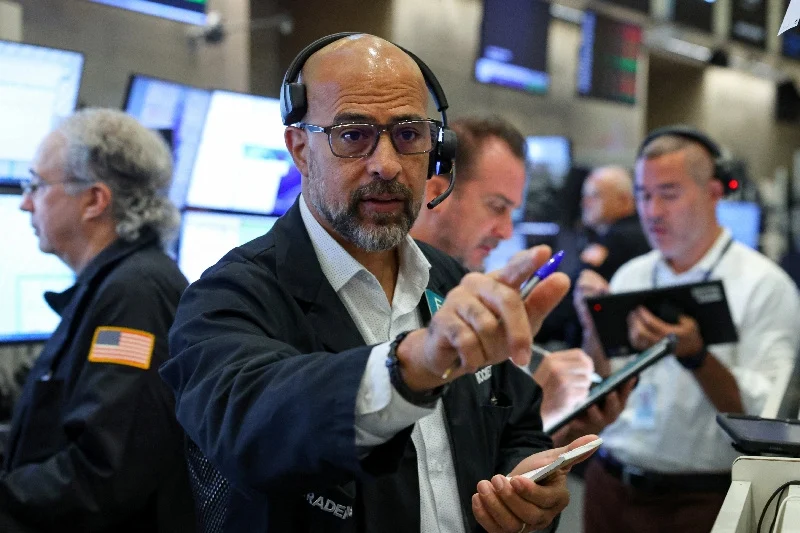
Investors are preparing for a possible US interest-rate increase next week, as stubborn inflation and rising Treasury yields threaten to unsettle a stock-market rally that has been fuelled by strong corporate earnings and heavy investment in artificial intelligence.
The Federal Reserve is due to conclude its two-day policy meeting on Wednesday, September 16, with markets increasingly pricing in a quarter-point rise. The central bank has kept rates unchanged so far in 2026, but expectations shifted after new chair Kevin Warsh adopted a more forceful tone on inflation.
Fresh figures from the Bureau of Labor Statistics showed consumer prices rose 0.4% in August, taking annual inflation to 3.4%. Core prices, which exclude food and energy, increased 0.3% over the month and 2.4% over the year.
Energy costs were a significant contributor to the latest increase. Gasoline prices rose 3.9% in August, while the overall energy index climbed 2.1%, adding to concerns that higher oil prices could prolong pressure on household and business costs.
“The weight is now on a hike in September,” said Alicia Levine, chief investment officer at BNY Wealth.
Fed funds futures indicated an above-80% probability of a quarter-point increase after the inflation figures were released, according to LSEG data. The expected move would take the central bank’s policy rate above its current range of 3.5% to 3.75%.
Warsh has warned that the Fed must be confident underlying inflation is moving towards its 2% target “clearly and at sufficient speed”. In a speech at Jackson Hole last month, he said: “Otherwise, we have work to do.”
Markets are also watching whether any increase would be a one-off decision or the beginning of a fresh tightening cycle. A sustained period of higher rates could raise borrowing costs, make bonds more attractive relative to shares and place additional pressure on companies that rely heavily on debt financing.
The S&P 500 has risen about 12% this year, although it has recently slipped back to roughly 2% below its mid-August record. At the same time, the yield on the benchmark 10-year US Treasury note briefly reached 4.99% on Friday, its highest level in almost three years.
“We’re at a period where there’s a lot of uncertainty,” said Cayla Seder, a macro multi-asset strategist at State Street. “You have rising yields, and you have rising expectations of hikes. There is some overall nervousness that has to be priced into the market.”
Shares rose on Friday as oil prices eased, offering some relief after a week in which worsening tensions between the United States and Iran pushed crude above 100 dollars a barrel.
Investors will now look to Wednesday’s decision and the accompanying signals from the Federal Reserve for clues about how far policymakers may be prepared to go to bring inflation back under control.
