


Parliamentary Budget Office analysis of the migration policies proposed by Australia’s major political parties has prompted warnings that sharp reductions could damage the economy, increase government debt and create significant social costs.
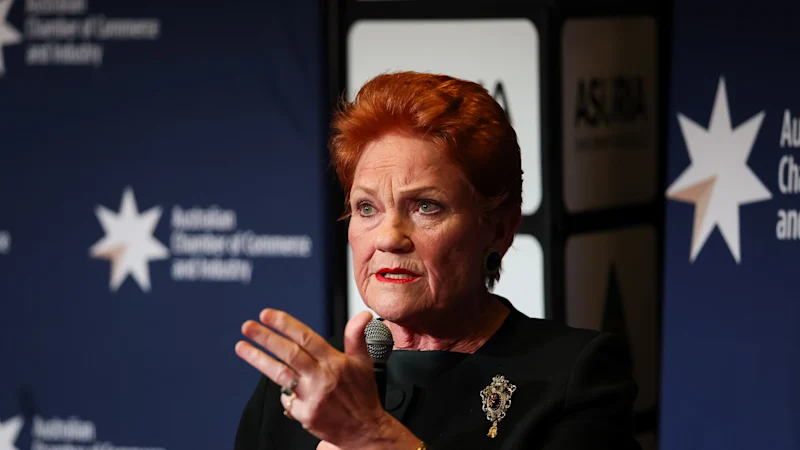
One Nation’s plan, which would cut migration, has been projected to leave the government in deficit for more than a decade and add $275 billion to debt. A reader, Rob Phillips of North Epping, said the Coalition and One Nation policies would be “economically disastrous”.
Mr Phillips compared the prospect of a Coalition-One Nation government implementing the policies with Britain’s Brexit experience, arguing that Australian voters should consider the consequences of what he described as a decision influenced by xenophobia.
Other readers said the financial projections did not fully capture the potential impact on communities. Manbir Singh Kohli, of Pemulwuy, asked how businesses would cope if they could not recruit suitable staff, and what would happen to farms, hospitals and waiting times for emergency and elective treatment.
Mr Kohli also questioned the Coalition’s emphasis on skilled migration. Skilled primary and secondary visas account for about 71.4 per cent of the annual permanent migration program, he said, but secondary applicants reduce the proportion of genuinely skilled primary applicants.
He asked whether One Nation would stop accepting partners of skilled applicants, warning that separating migrants from their families could affect their sense of belonging and integration. In his view, the human questions needed to be considered alongside the economic figures.
Migration policy and voter disquiet
Frederika Steen, of Chapel Hill, said the analysis offered “facts and fresh insights” and called for all three political parties to provide informed explanations before next year’s election.
Alun Breward, of Malvern East, argued that the current political dispute reflected voter frustration after years of limited public engagement on migration. He cited a 2019 Lowy Institute survey in which 71 per cent of Australians said the country’s cities were already too crowded.
Mr Breward said Australia’s population had risen from 25.3 million in 2019 to 27.9 million, with most of the increase attributed to migration and occurring in major cities. He described the resulting electoral disquiet as “democracy in action”.
The discussion has also been framed by competing views of immigration’s contribution to Australian society. Rod Meynink, of Tweed Heads, pointed to The Wiggles, whose performers include Ethiopian-Australian, Italian-Australian, Greek-Australian and Filipino-Australian members, as an example of different backgrounds contributing to a shared national identity.
He said the group offered a reminder of what immigration had contributed to Australia and contrasted its inclusive approach with attempts to divide people according to where they, or their parents, were born.
