


Western Sydney International airport will make its aviation debut on Sunday when the first flight departs from the newly built facility, marking the start of round-the-clock services for the region.
Located about 44 kilometres west of Sydney’s central business district, the airport will operate 24 hours a day. Sydney Kingsford Smith Airport, by contrast, is subject to a night curfew between 11pm and 6am.
Aviation expert Salim Hijazeen said the absence of a curfew would create new options for both travellers and airlines, although the airport’s full benefits would take time to emerge.
“It is a new opportunity for the travelling public given there is no curfew, so it opens up various opportunities for domestic and international travel,” Mr Hijazeen said.
He said the new schedule could support same-day trips that are currently restricted by the curfew at Sydney’s main airport. Travellers attending events interstate could, for example, return to Sydney without paying for an additional night’s accommodation.
Airlines preparing for Western Sydney International airport
Jetstar will operate the first flight from the airport and will initially run four weekly services to the Gold Coast, three weekly services to Brisbane and daily flights to Melbourne.
Air New Zealand is due to begin three weekly services to Auckland from 26 October, while Singapore Airlines will offer daily flights to Singapore from 23 November.
Fiji Airways will operate services to Nadi. Vietjet Air is scheduled to begin two weekly flights to Ho Chi Minh City on 10 January 2027, with plans to increase its offering in March 2027, including three flights to Vietnam and four weekly services to Bangkok through Vietjet Thailand.
Qatar Airways is expected to begin flights to Doha in December 2027. Qantas has announced four weekly services to Melbourne and Brisbane from March 2027.
Virgin Australia has not announced flights from the airport, but said it was closely examining the opportunity and assessing whether it would fit a network and schedule that served its customers’ needs.
Mr Hijazeen said the airport would initially have fewer airlines, flight frequencies and destinations than Sydney’s existing facility. He expects that to change progressively as demand grows and more carriers begin operating from Western Sydney.
Road access before rail connection
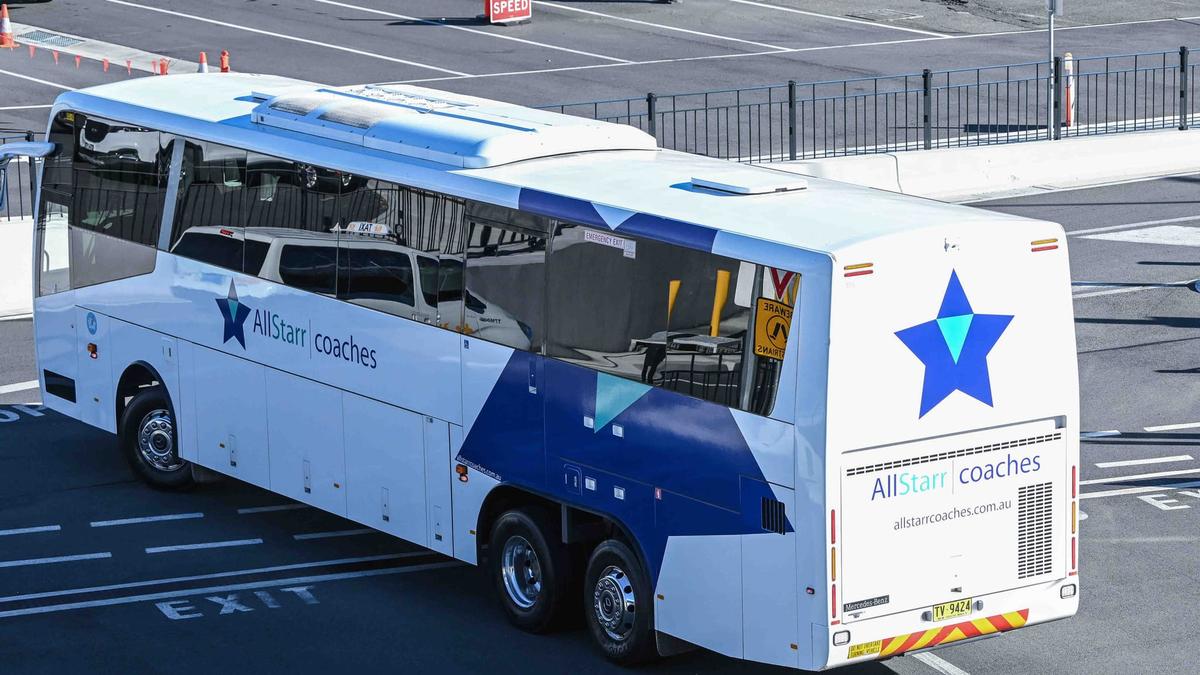
Passengers travelling to the airport at opening will rely on roads and buses, as there is no train service directly to the terminals yet. That has raised questions about whether the cost and time involved in reaching the airport could offset cheaper fares.
Harry Deacon, a travel expert at Holafly, said the cheapest flight would not necessarily mean the cheapest overall journey, particularly for people living in Sydney’s inner city.
“If you live in the inner city, a $22 fare saving disappears the moment you pay $55 for the shuttle, and you’ll spend longer on the road too,” he said.
He said the airport could be more convenient for families in Parramatta, Penrith and Liverpool, with the M12 toll-free and parking starting at $15 a day.
Mr Hijazeen said the lack of a rail connection was unlikely to substantially reduce demand, arguing that passengers generally chose the cheapest option. He pointed to Melbourne’s Avalon airport, which is also located well outside the city centre, as a comparable example.
The arrival of a second Sydney airport is expected to increase competition and could eventually reduce fares. Mr Hijazeen said lower landing and parking fees at Western Sydney International airport could allow airlines to offer cheaper tickets and attract more passengers.
“Lower fares generally mean the uptake will be much more substantial, so the airline are likely to have a higher load factor and that makes it very competitive,” he said.
