


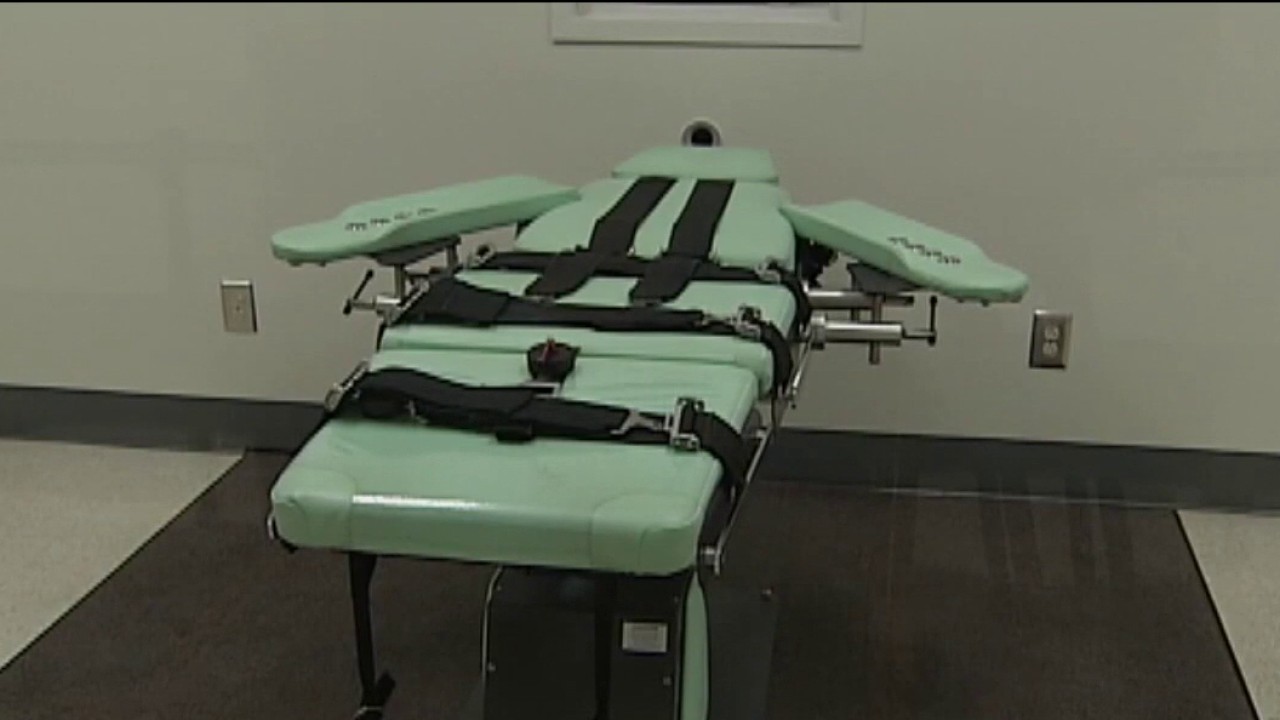
California Governor Gavin Newsom has commuted the death sentences of all 548 prisoners on the state’s death row, changing their punishment to life in prison without the possibility of parole.
The sweeping decision affects what is regarded as the largest death row in the Western Hemisphere and has prompted sharply divided reactions from criminal justice groups, prosecutors and victims’ advocates.
Newsom said in an open letter that he was exercising his constitutional clemency powers because he believed “state-sanctioned killing is incompatible with California’s values, undermines the foundations of our legal system, and diminishes each of us”.
He described the decision as one of the most difficult of his career, while acknowledging that it could revive painful memories for the families of murder victims.
California death sentences changed to life without parole
The commutations do not release any prisoners. Those affected will remain in custody for the rest of their lives, without the possibility of parole.
However, the move still requires further legal steps in some cases. Under California law, the governor can act alone where a prisoner does not have additional felony convictions, while other commutations must be reviewed and approved by the California Supreme Court.
Newsom imposed a moratorium on executions shortly after taking office in 2019. California has not carried out an execution since January 2006, although the death penalty remains on the state’s books.
The American Civil Liberties Union welcomed the announcement, describing it as a historic step towards ending capital punishment in California. The organisation said the system was discriminatory, prone to error and incompatible with human dignity.
Prosecutors and victims’ representatives condemned the decision. San Bernardino County District Attorney Jason Anderson accused the governor of failing to properly consider the views of victims’ families, while Orange County District Attorney Todd Spitzer said the commutations disregarded the decisions of juries and the suffering of those affected by the crimes.
California voters have previously rejected efforts to abolish the death penalty, but Newsom said the clemency authority granted to the governor existed for circumstances in which the law, as applied, could no longer be reconciled with justice.
