


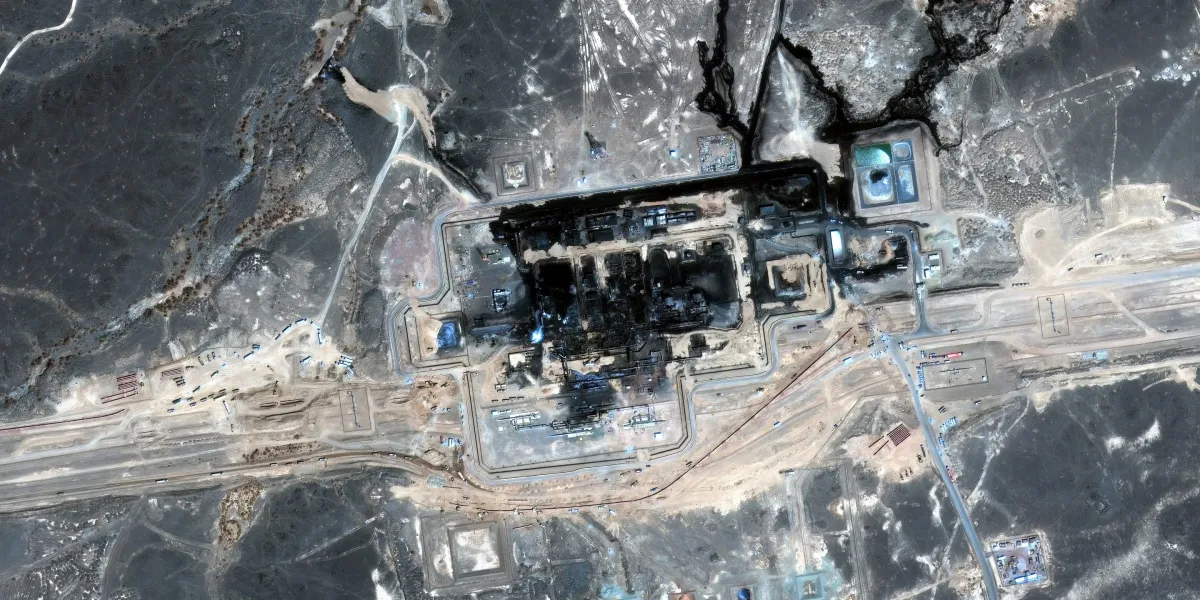
Saudi Arabia’s East-West pipeline has been closed, removing one of the main buffers used to ease the Strait of Hormuz energy shock and exposing the limits of the global oil system’s spare capacity.
Together with the United Arab Emirates’ bypass pipeline, the route carried about five million additional barrels of oil a day around the strait in the second quarter of 2026 compared with the final quarter of 2025, according to the latest research.
The temporary shutdown has highlighted how the disruption, which placed roughly one-fifth of global oil supplies at risk, has been managed through several measures operating at the same time rather than through a single alternative route.
Governments and companies have drawn on inventories, while producers including the United States increased exports. Oil consumption also fell, as refiners altered the crude they processed and their production mix, industrial businesses switched feedstocks and consumers changed their behaviour.
More than one in five barrels of seaborne oil traded during the second quarter of 2026 moved through different routes or arrangements from those used before the disruption.
The experience has shown that energy resilience is layered and constantly changing. Measures available at the beginning of a crisis can become restricted or be disrupted themselves, increasing the importance of alternative supplies and the ability to adapt quickly.
Businesses urged to identify energy vulnerabilities
The risks extend beyond oil companies. About two-thirds of energy trade passes through maritime chokepoints, while one-third takes place between trading partners that are not geopolitically aligned. In addition, 95% of people live in regions that import at least one major fuel.
Energy is embedded in manufacturing, transport, production and wider supply chains, meaning a disruption can quickly become a business-continuity problem for manufacturers, retailers and technology companies.
Businesses have been advised to examine their exposure beyond direct energy purchases, including fuels and feedstocks, suppliers, infrastructure, operations and trade routes. A factory in a major energy-exporting country, for example, may still depend on imported fuel or feedstock.
The most serious vulnerabilities can then be tested through scenarios, with decision triggers and clear responsibilities established so that companies can respond rapidly when conditions change.
Potential safeguards include alternative fuels and feedstocks, more diverse suppliers and transport routes, larger inventories, improved efficiency, electrification and captive or newly developed supply. But the disruption around the Strait of Hormuz has also demonstrated that having alternatives is not enough if they cannot be used when required.
Flexibility can allow equipment to switch between fuels or feedstocks, production to move between sites and logistics operations to use different ports, carriers, storage facilities or suppliers. Commercial arrangements can matter too: contracts allowing liquefied natural gas cargoes to be redirected or resold give buyers more room to respond during a shock.
Companies have also been urged to account for the value of resilience when making investment decisions. Capacity that appears surplus in normal conditions, or flexibility that carries an additional cost, can become essential when disruption threatens operations.
Energy efficiency can reduce costs during stable periods while limiting exposure to price spikes. BASF increased its volumes by 7% year on year in the second quarter of 2026 amid Middle East supply disruptions, with diversified production, facilities able to handle different inputs and trading operations that could secure supplies.
The analysis also points to potential opportunities for companies helping others manage energy risks, including businesses involved in grid equipment, energy trading, storage, efficiency and demand flexibility.
The objective is not to predict every possible disruption or remove every dependency, but to identify the dependencies that matter most and retain enough choice and flexibility to keep operating when conditions change.
