


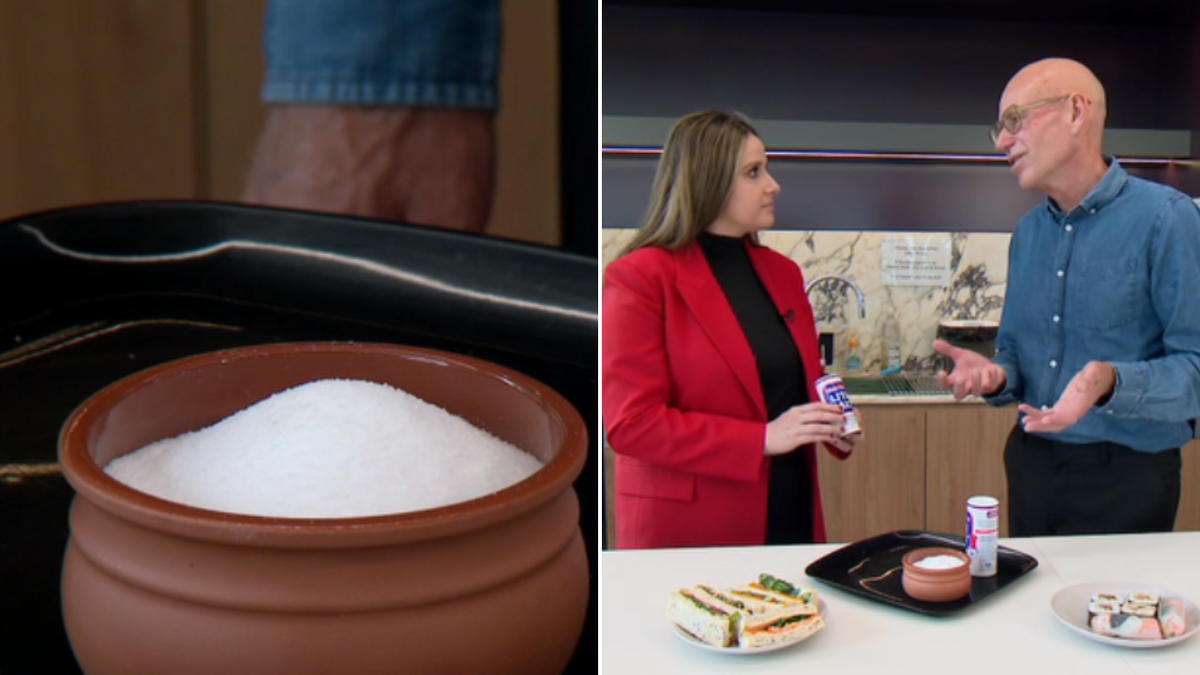
Replacing regular salt with potassium-enriched alternatives could prevent 2,076 deaths and 15,674 new cases of cardiovascular and kidney disease in Australia each year, research suggests.
The global modelling study, published in Nature Health, estimates that the switch could prevent almost three million deaths worldwide annually, along with more than 10 million new cases of cardiovascular and kidney disease.
Researchers at The George Institute for Global Health assessed the potential impact across 193 countries. The Australian figures are projections based on widespread replacement, including salt used in processed food and restaurants.
Professor Bruce Neal said the change represented a significant opportunity to reduce the number of strokes and heart attacks.
“We have the opportunity to literally prevent thousands of people in Australia having strokes and heart attacks and millions of people worldwide,” he said.
How potassium-enriched salt works
Regular salt contains sodium chloride. In the alternative, some of the sodium chloride is replaced with potassium chloride, reducing sodium intake while increasing potassium intake.
Both changes can help lower blood pressure, according to the research. A more limited switch involving only salt used in home cooking and seasoning was estimated to prevent 1.85 million deaths globally each year.
Neal said a lack of public awareness was one of the main obstacles to wider use.
“The challenge is that most people don’t know about it,” he said.
Some larger supermarkets stock salt alternatives, although Neal said they may be found in the health aisle.
Sydney meal delivery business Dietlicious has already changed the salt used in its kitchens. Founder Janel Horton said the decision was made to benefit customers, including older Australians and people receiving disability support.
The company now offers more than 50 reduced-salt meals, and 97 per cent of customers did not notice a difference in taste. Horton said the alternative ingredient was more expensive, but the additional cost was small enough for the business to absorb.
Treatment guidelines could soon be updated to encourage recommendations for people with high blood pressure. Neal said he had been working with the Stroke and Heart foundations on the changes.
“If you get a recommendation from a clinician, you probably would buy it because it’s not that much more expensive and you would know it’s doing some good for you,” he said.
The substitute is not suitable for everyone. People with serious kidney disease or those taking medicines that raise potassium levels should seek medical advice before switching.
