


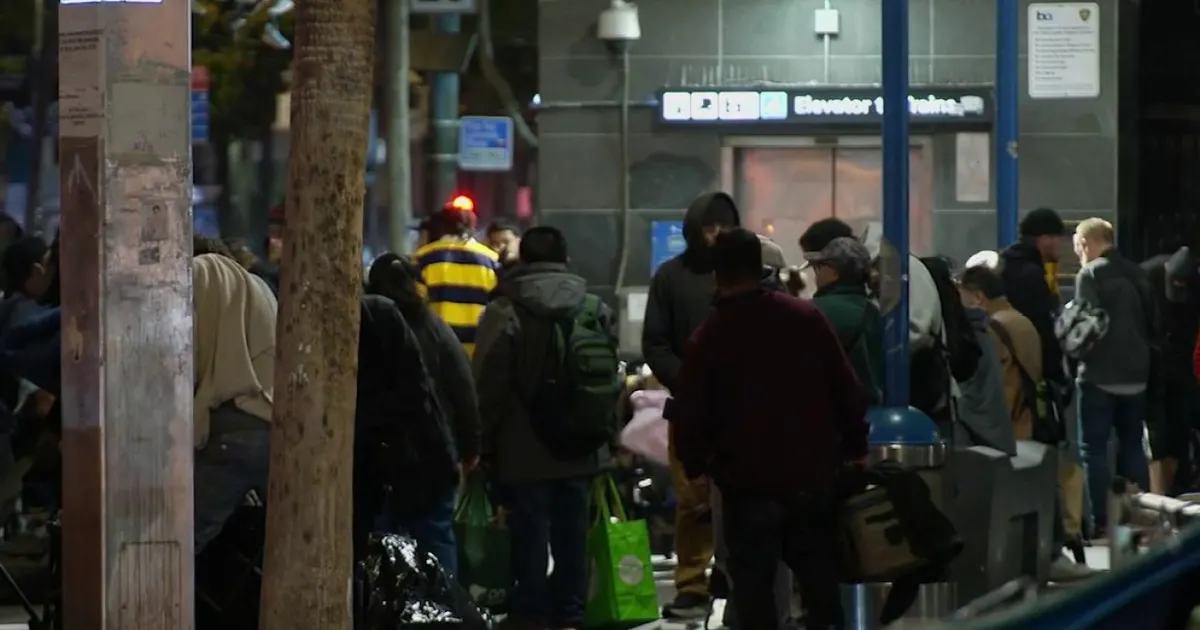
San Francisco has announced a $12.25 million plan to improve safety around the 16th Street and 24th Street BART stations in the Mission District, combining increased nighttime policing with new community services, better lighting and upgrades near a local primary school.
Mayor Daniel Lurie and Supervisor Jackie Fielder unveiled the initiative on Friday, November 6, as residents and businesses voiced continuing concerns about drug use, homelessness and disorder around the two busy transit hubs.
The package includes $9.25 million from philanthropic organisation Crankstart and a further $3 million in state funding secured by Assemblymember Jesse Gabriel. The money will also support public safety technology, expanded civilian ambassador patrols and additional street outreach and cleaning services.
San Francisco police officers will be assigned to evening operations around the BART plazas, while sheriff’s deputies will patrol Mission Street between 16th and 24th streets at night for six months. Sixteen California Highway Patrol officers have also begun a 60-day deployment to assist with wider law enforcement work across the city.
The announcement follows renewed complaints about conditions around the stations, including reports of discarded needles and human faeces, while concerns intensified after authorities increased enforcement against open-air drug markets in the Tenderloin and South of Market areas. ([sfchronicle.com](https://www.sfchronicle.com/sf/article/lurie-new-funding-for-mission-district-chaos-22517146.php?utm_source=openai))
For some passengers, the additional police presence is welcome. Aliya Khan, who travels from Concord to San Francisco for events, said the area could feel “a little suspect” after 9pm or 10pm and that extra patrols might make it easier for people to use BART at night.
Other residents have questioned whether enforcement alone will deliver a lasting improvement. Bill Maggs, who lives in San Francisco, said his wife avoided walking home from the 16th Street station at night because of the people using drugs or experiencing mental health problems in the area.
He and others also fear that concentrating officers around the BART plazas could displace illegal activity into nearby residential streets rather than resolve it.
“Moving the problem from one block to the next isn’t good enough — this community deserves concrete steps that will make a real difference,” Mr Lurie said in a statement.
Mission District safety plan includes school improvements
Part of the funding will be directed towards Marshall Elementary School, where planned improvements include new fencing, murals and landscaping. A dedicated Spanish-speaking community ambassador will also help families during school drop-off and collection times.
School principal Noah Ingber and San Francisco Unified School District superintendent Maria Su welcomed the investment, saying pupils and their families needed to feel secure when travelling to and from the school.
The wider ambassador programme is intended to provide a visible presence while connecting people in crisis with support services. BART already uses unarmed ambassadors and crisis intervention specialists alongside police officers, with the roles designed to report safety concerns and help people experiencing homelessness, mental health difficulties or addiction. ([bart.gov](https://www.bart.gov/about/police/progressive-policing?utm_source=openai))
Kelly Pratt, a public health worker from Oakland, said the increased patrols could reassure people but argued that enforcement should be accompanied by social services to address the causes of street disorder.
Police and sheriff’s patrols are being introduced immediately, while lighting improvements and wider ambassador coverage are expected to take several months as the city completes grant applications and puts the projects in place.
