


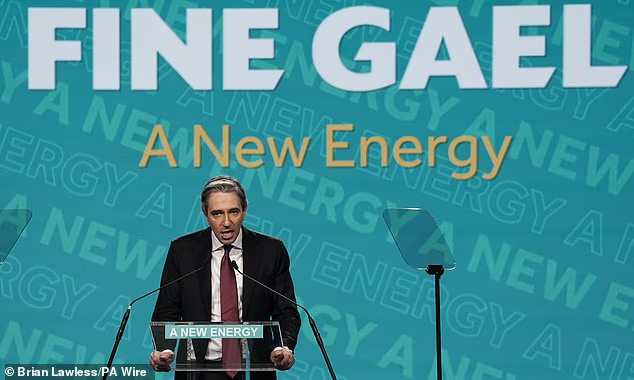
Fine Gael leader Simon Harris has failed to persuade the party’s Executive Council to allow a motion on its centre-right identity to be debated at this weekend’s ard fheis, in a setback that highlights the pressure facing the Tánaiste.
Multiple sources said Mr Harris repeatedly asked for the motion to be reconsidered after it was initially left off the conference agenda. The Executive Council rejected the request again.
The motion, promoted by younger members of Fine Gael, calls on the party to affirm its identity as a Christian democratic and centre-right organisation.
It had been circulated to the media amid claims that grassroots members wanted the issue debated. The phrase “woke left” was also used in discussions about the party’s direction.
The motion was initially ruled out partly because not every proposal could be included on the agenda and partly because it did not fit neatly within the themes used to organise conference business.
Pressure on Fine Gael leader
Mr Harris’s intervention came as the party faces internal concern over its political direction and electoral prospects.
An internal report published shortly before the dispute warned that Fine Gael’s viability was at stake and said voters did not know what the party stood for.
The leader has also faced criticism over his handling of the fallout from the post-Budget dispute involving Patrick O’Donovan and RTÉ. He was forced to reject reports that he had anonymously briefed about Mr O’Donovan’s health or had tried and failed to dismiss him.
That episode has contributed to frustration within Fine Gael, according to the source material, while Mr Harris’s inability to secure a debate on the motion has raised further questions about his influence within the party.
The setback followed an apparent attempt by Mr Harris to sharpen Fine Gael’s position on spending and social issues. In a speech to supporters and businesspeople, he called for closer monitoring of expenditure by non-governmental organisations and criticised a Dublin Rape Crisis Centre advertisement concerning grandparents hugging their grandchildren.
Public Expenditure Minister Jack Chambers has already proposed a public service efficiency taskforce to examine public sector spending. Mr Harris wants non-governmental organisations to be included in its work.
The move would give the party leader a route back into the political debate after a difficult period, while also signalling a more right-leaning direction for Fine Gael.
However, the failure to secure agreement from the Executive Council suggests that Mr Harris’s authority inside the party is not as complete as he might wish to portray.
No backbench TD or minister is said to have suggested that he is in immediate trouble, but concerns outside the parliamentary party have become more pronounced. Some members believe Fine Gael lacks direction, while others say Mr Harris has lost the support of the membership.
His proposed shift to the right also carries political risks. The source material notes that recent developments in the United States and Europe may not indicate the decline of left-wing politics, with the political centre potentially retaining its strength in France and other European Union countries.
Mr Harris appears to have made a strategic decision about Fine Gael’s future. Whether he will lead the party through that change remains uncertain.
