


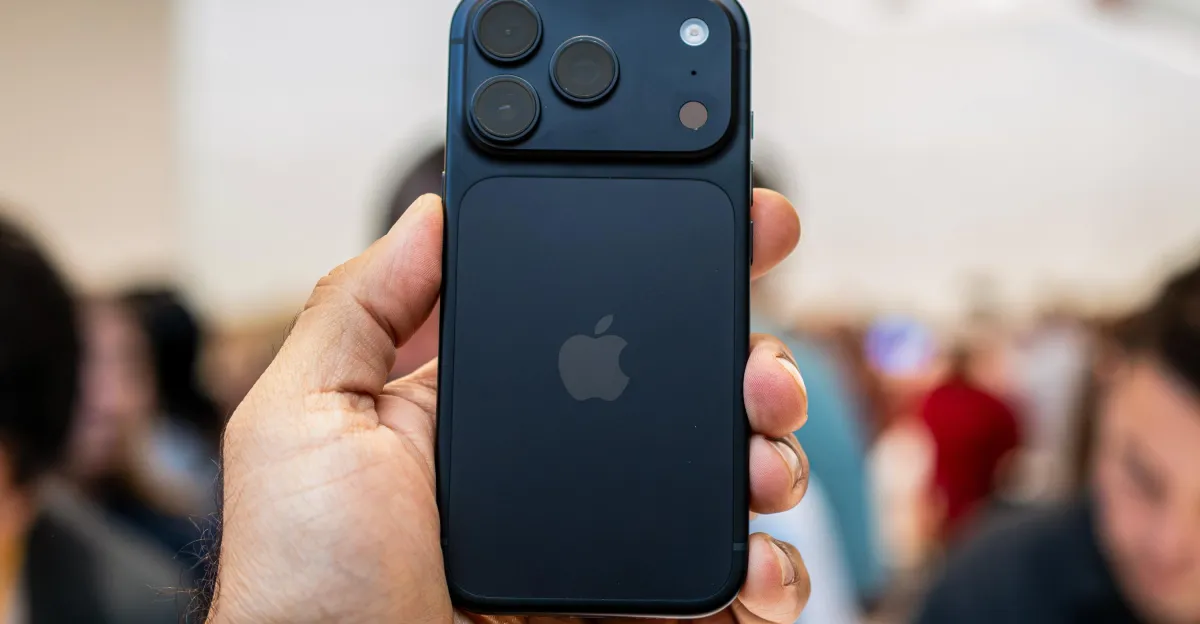
iPhone price rises have spread across the smartphone market, with Apple increasing the cost of its latest premium models by $100 and raising prices for older handsets as well.
The iPhone 18 Pro now starts at $1,199 in the US, while the Pro Max begins at $1,299. Customers cannot avoid the increase by choosing a previous-generation iPhone, with Apple also adding $100 to the prices of older models.
The move follows similar decisions by Google and Samsung. Google’s Pixel 11 starts at $899, compared with $799 for last year’s Pixel 10, while Samsung’s Galaxy Z Fold 8 Ultra costs $2,099 — $100 more than the Galaxy Z Fold 7 it replaces.
Higher prices are also appearing beyond the three largest manufacturers. Sony’s Xperia 10 VIII is £150 more expensive than its predecessor, while this year’s Motorola Razr models have each risen by $100 despite offering few significant upgrades.
Why smartphone prices are rising
The increases are being linked to shortages and rising costs for components used in phones, as manufacturers of artificial-intelligence data centres compete for supplies. Memory has been among the most affected parts.
Carl Pei, chief executive of Nothing, said earlier this year that the cost of memory used in the Nothing Phone 4A had doubled by the time the handset reached the market. Qualcomm, which supplies processors for many smartphones, has also raised the prices of its chips.
The pressure is particularly significant for cheaper devices. Sales data indicates that the market for phones costing less than $100 is shrinking sharply, while component costs across the technology industry continue to rise.
Analysts and manufacturers face the prospect that the shortages could persist for years. Apple’s decision to increase prices after rivals had already done so suggests that more expensive smartphones may become a lasting feature of the market rather than a temporary response to supply problems.
