


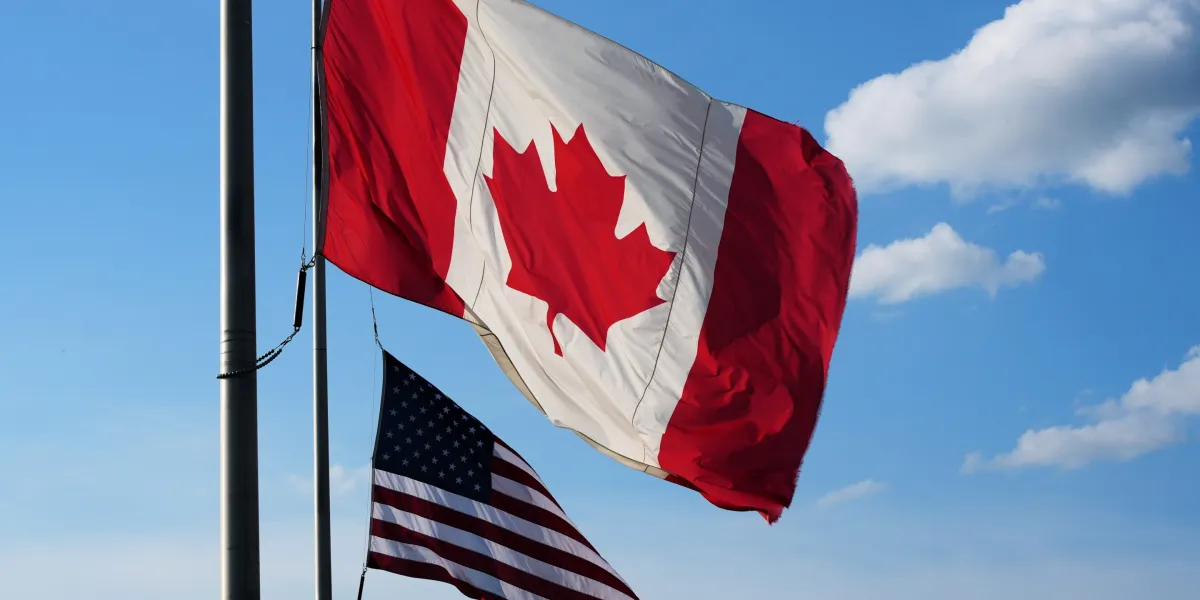
American tourism bodies are stepping up efforts to win back Canadian visitors as an informal boycott, a weaker Canadian dollar and an increasingly bitter trade dispute continue to keep many travellers away from the United States.
From New York to Las Vegas and Florida, destinations are offering discounts, special deals and personal appeals to Canadians, traditionally one of the most important overseas markets for US tourism.
But the campaign faces a significant obstacle: for many Canadians, the issue is no longer whether the United States offers an attractive holiday, but whether they want to spend their money there while relations between the two countries remain strained.
“It’s such a big ask right now,” said Josh Loewen, a 45-year-old marketing executive from Vancouver. “It’s just a wasted effort.”
Loewen said his family had regularly travelled to San Diego, Portland and Seattle. This year, they chose Mexico instead, and he said they did not plan to visit the US until Donald Trump had left the White House.
The decline in Canadian travel followed Mr Trump’s return to office and remarks about making Canada the 51st state. Tensions intensified after trade negotiations collapsed, with Washington imposing tariffs of up to 50 per cent on some Canadian products and Ottawa responding with retaliatory measures.
Canadian Prime Minister Mark Carney has rejected insults from members of the US administration as undignified, while Mr Trump has ordered officials to pursue the renaming of Lake Ontario as “Lake America”. The political dispute has added to the effect of higher air fares, hotel prices and an unfavourable exchange rate.
Canadian travel to the US remains well below previous levels
Statistics Canada said Canadian residents made 25.4 per cent fewer return crossings from the United States in 2025 than in 2024. They spent around US$2.4 billion (£1.8 billion) less on travel south of the border.
The agency described the fall as a persistent shift in Canadian travel preferences. In 2025, return crossings from the US fell to 29.1 million, while travel by Canadians to overseas destinations increased.
Early signs of improvement appeared in May, June and July this year, when crossings rose slightly. Car travel accounted for most of the increase, while air travel remained below the previous year’s level through June.
The summer uptick coincided partly with the Fifa World Cup, co-hosted by the US, Canada and Mexico. Canada’s team played during the early stages of the tournament, giving some supporters a reason to travel south, while Mr Carney attended the final in New Jersey alongside Mr Trump.
However, the renewed tensions that followed the tournament have raised doubts about whether the improvement will continue. The day after the final, Mr Trump announced that tariffs on US$20 billion worth of Canadian goods would take effect within 30 days.
“You went from this really high, exciting moment for the US in terms of international attention, to the next week, it’s negative again,” said Deborah Friedland, a hospitality consultant at Eisner Advisory Group. “It’s one step forward and two steps back.”
The United States National Travel and Tourism Office expects overnight visits by Canadians, which typically generate more spending than same-day journeys, to remain under pressure during the first half of 2026.
US destinations offer discounts and personal appeals
New York State launched its “NY Loves Canada” promotion in August, offering savings on hotels, restaurants and attractions. The scheme followed a 26 per cent fall in Canadian visitation to the state in 2025, with spending by Canadian visitors down 28 per cent, according to state tourism officials.
New York City has also offered a “Northern Neighbour Deal”, with discounts of up to 30 per cent at participating hotels, attractions, restaurants, museums and Broadway shows. Porter Airlines has offered reduced fares on flights to the city.
Some hotels in downtown Las Vegas have gone further by treating the Canadian dollar as equivalent to the US dollar for selected offers. Las Vegas tourism officials travelled to Canada to meet travel advisers, tour operators and airline representatives.
“We’re here to make sure you know that we care about Canada,” Steve Hill, president of the Las Vegas Convention and Visitors Authority, said during a visit to Vancouver.
Brand USA, the country’s tourism marketing organisation, is due to hold its Travel Week trade event in Canada for the first time in October. The event expands and rebrands an earlier programme known as Canada Connect.
The efforts reflect the importance of the Canadian market. Canada has traditionally been the largest source of overnight international visitors to the US, with its proximity making cross-border travel particularly valuable to states and cities along the border.
Snowbirds will test the strength of the boycott
The next major test will come during the winter, when Canadian “snowbirds” usually head for warmer states including Florida, Arizona and California.
Florida’s tourism authorities initially estimated that Canadian visits had fallen sharply in 2025. Revised figures released in May put the total at 3.17 million visitors, around 270,000 more than first calculated, after delayed reporting and changes in the way some journeys were recorded. Even so, the revised estimate represented a fall of about 6.8 per cent from 2024.
Hospitality businesses are now watching to see whether Canadians who normally spend several months in the United States will continue the tradition or choose destinations elsewhere.
“I’d be surprised if we’re talking a year from now and all of a sudden you see this huge uptick in Canadian travel over the winter months,” Ms Friedland said.
Jennifer Adams, tourism director for Destin-Fort Walton Beach in Florida, said the area had remained confident in its appeal.
“The thing for us is to let the Canadian family know that they are welcomed here and we are committed to giving them a great experience when they get here,” she said.
For some Canadians, however, promotional offers have not changed the calculation.
Eileen March, a 41-year-old life coach from Calgary, said Mr Trump’s comments about Canada becoming the 51st state and his trade policies had contributed to her decision to avoid the United States. She said she would not even book flights involving a US stopover.
“The latest round of tariffs reinforced my initial decision to not travel in the US at all while he is in office,” she said.
Ms March said her decision could last beyond Mr Trump’s presidency and would depend on who was elected next, their values and whether they sought to repair the relationship with Canada.
