


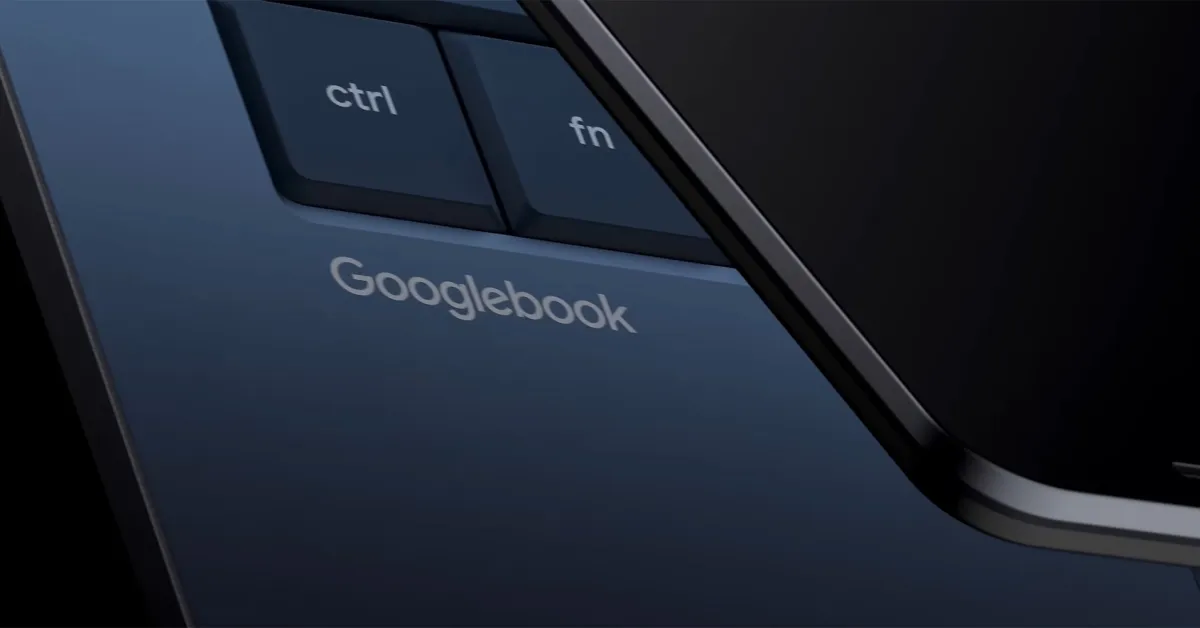
Google’s forthcoming Googlebook platform is facing an increasingly difficult pitch, as new affordable laptops unveiled at IFA 2026 give consumers alternatives before the Android-based successor to ChromeOS has properly established its purpose.
Googlebook was introduced earlier this year as a desktop operating system intended to replace ChromeOS. However, details about its capabilities, target audience and pricing remain limited, leaving questions over how it will distinguish itself in an increasingly competitive laptop market.
Early Googlebook hardware has been linked to Asus and Lenovo, while Acer used IFA in Berlin to tease its own device. The first software features include Magic Pointer, a Desktop Camera application and Look up, an AI tool that can provide information about text, including definitions and flight details.
Look up is also available on some Android phones, meaning Googlebook will need to offer more than a collection of familiar mobile features if it is to persuade consumers to buy new hardware.
Googlebook faces competition from new budget laptops
The challenge has become more pronounced following the launch of Lenovo’s IdeaPad Vibe and Dell’s 14S. Both machines are positioned as responses to Apple’s lower-cost MacBook Neo, placing them in the part of the market where ChromeOS traditionally had its strongest appeal.
ChromeOS offered a straightforward proposition: reliable software on relatively inexpensive laptops. More recent models added stronger hardware and artificial-intelligence tools, but the platform’s appeal remained closely tied to value.
Googlebook appears to be moving in the opposite direction, with expectations of more premium hardware and higher memory requirements. That could leave it competing not only with Apple, but also with increasingly affordable Windows laptops seeking to benefit from the interest generated by the MacBook Neo.
One possible route for Google would be to focus on AI-assisted “vibe coding”, allowing users to create or modify software with help from on-device tools. Yet Google has not made clear whether that will form the central selling point of the platform or how it would appeal to mainstream laptop buyers.
The timing may also prove difficult. Manufacturers are contending with higher component costs, particularly for memory, while consumers are being asked to spend on a new platform whose advantages over Windows, macOS and existing Chromebooks have yet to be clearly demonstrated.
With the first Googlebook laptops expected to arrive soon, Google will need to explain why the platform deserves a place in a market already crowded with inexpensive Windows machines, Apple’s MacBook Neo and established ChromeOS devices.
